 Skip to content

What Are the Benefits of Using a Refrigerated Container for Land Transport and Shipping?

Moving goods that need to stay cold during transportation can be a challenge. Items like fresh and frozen food, vaccines, vegetables and flowers, milk and juice, bakery and dough or medical and pharmaceutical products that need to stay at the right and constant temperature. Without the suitable refrigeration system, rejection will be high, and the perishable goods will spoil before reaching their destination.
That’s where refrigerated containers come in, supporting both the land and sea cold chain distributions. These insulated containers help to keep the products fresh and safe in an unbroken cold chain distribution during long transit and prolong cross border trips. Whether by road, sea or rail, they maintain the right conditions with Thermo King awesome features such as the CargoWatch™, Wintrac™, OptiSet™, Service Watch™ and 2-way communication capability. This blog will explain what a refrigerated container is, how it works, and why it’s useful for many businesses.
What Is a Refrigerated Container
A refrigerated container is a specially insulated unit designed to support the cold chain in land transportation, and the same principle applies to ISO reefer containers in standard 20ft and 40ft sizes used in marine transport. Both are engineered to preserve goods at a controlled temperature, featuring robust insulation combined with advanced refrigeration systems.
Typically, land-based refrigerated containers maintain temperatures ranging from –25°C to +30°C, while marine reefer containers can achieve a broader range of –40°C to +30°C. These units play a vital role in distributing perishable goods across borders worldwide. They are commonly seen in ports, on vessels, at distribution centers, cool ports, supermarkets, and even at food exhibitions and events.
For land transport, refrigerated containers may be powered by vehicle-driven systems or independent power units, while marine reefers rely on shore power or shipboard electrical systems. When required, a backup generator set can also be attached under the trailer to ensure uninterrupted power supply during land transport.
Refrigerated containers equipped with Thermo King systems are designed to safeguard perishable goods by maintaining a consistent temperature throughout the journey, thereby reducing the risk of product deterioration or rejection. In doing so, they ensure an unbroken cold chain from origin to destination—covering every stage from farming, harvesting, slaughtering, packaging, and cold storage, through to distribution via land, air, and rail.
Why Are Refrigerated Containers Important?
The demand for high-value perishable foods, pharmaceuticals, medicines, and other temperature-sensitive goods continues to grow, driven by consumers’ desire for global products year-round. At the same time, stricter regulations governing food and drug safety have been introduced worldwide.
Refrigerated containers play a critical role in meeting these demands. They enable seamless global trade while ensuring that goods are transported safely, efficiently, and in optimal condition.
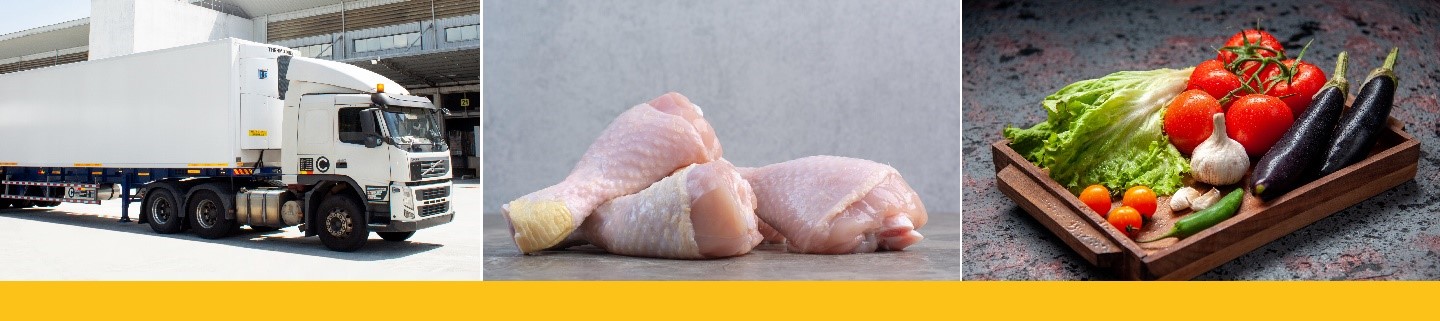
Benefits of Using Refrigerated Containers
1. Keeps Perishable Goods Fresh and Safe
This is the primary reason for using refrigerated and reefer containers. Perishable products such as fish, meat, fruit, and dairy must be kept at precise temperatures during transportation. Without consistent cooling, these goods can deteriorate rapidly, leading to product rejection and unnecessary waste.
Refrigerated and reefer containers not only maintain the required temperature but also regulate humidity and airflow. This controlled environment minimizes spoilage, reduces losses, and ensures that products arrive fresh—benefiting both sellers and buyers.
2. Cold Chain Shipping Support
Cold chain shipping refers to the complete process of transporting temperature-sensitive goods under controlled conditions. From the warehouse to the end customer, products are kept within the required temperature range to maintain an unbroken cold chain.
Reefer and refrigerated containers are essential to this process. They ensure consistent temperature control, even during extended journeys—an especially critical factor for medicines, vaccines, and other healthcare products.
3. Reaches Global Markets
Refrigerated containers enable businesses to transport goods to almost any part of the world. For example, mangoes can be shipped from India to the UK, or cheese from France to Japan.
This capability benefits producers on both local and international scales by opening access to new markets for their perishable products. Local farmers can now distribute fresh produce globally, helping them expand their business while offering consumers a wider variety of choices.
4. Versatile Storage for Different Goods
One temperature-controlled container can handle frozen and chilled items at the same time. (Multi-temperature zones) The container is split into zones, each set to a different temperature for shipping mixed loads, like frozen meat and fresh veg. It saves space, time, and money.
5. Mobile Cold Rooms for Events or Remote Sites
Reefer containers are not only essential for cold chain transport but can also be deployed as stationary on-site cold storage units.
They are particularly useful for food exhibitions and events, outdoor expos, promotional activities, peak-period demand for temporary cold storage, and remote job sites. Unlike traditional buildings, no permanent infrastructure is required—the container itself provides a ready-made solution. In addition, reefer containers offer greater reliability and safety compared to using multiple small fridges or coolers.
Learn more about Reefer Container
6. More Than Just Perishable Food storage
Refrigerated containers are not limited to storing perishable foods. They are also widely used for medical and pharmaceutical products, chemicals, sensitive aerospace components, delicate electronics, and even camera equipment requiring temperature-controlled storage.
Many of these items can be damaged or rendered unusable if exposed to heat or humidity. The stable, controlled environment inside a reefer or insulated container ensures their protection. For hospitals, this can be critical, as it allows medicines to be stored safely and readily available on-site.
7. Reduces Costs in the Long Run
Although reefer containers may incur higher operating costs, they significantly reduce the risk of product rejection. Spoiled or deteriorated goods are costly and replacing them with a fresh shipment can be even more expensive.
By ensuring products are kept refrigerated and protected from the outset, businesses can minimize losses and avoid the need for urgent, high-cost air transport.
8. Better Cooling Management Than Before
Modern refrigerated containers are designed to be highly efficient, incorporating advanced cooling systems and improved insulation. This not only lowers fuel consumption but also helps reduce carbon emissions.
Most reefers and insulated containers can maintain the desired temperature even when the evaporator fans cycle off after reaching the set point. This ability to retain cold air makes them effective for both long-haul transportation and short-term storage.
9. Monitored and Easy to Track
Many modern containers are equipped with advanced sensors that monitor temperature, humidity, and even physical shocks. If any irregularities occur, the system immediately alerts the operations team.
Current monitoring capabilities include real-time tracking of cargo temperature, GPS location, door openings, system status (on/off), and whether the vehicle is stationary or in motion.
These features not only help prevent product rejection and damage but also provide operators with peace of mind. In addition, they support compliance with stringent regulations in the food and healthcare sectors.
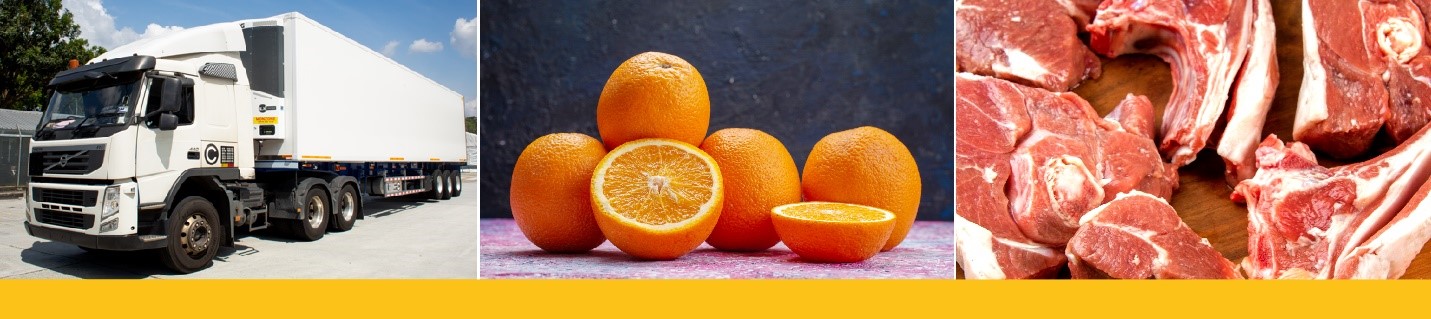
Who Uses Refrigerated Containers the Most?
Food and Beverage Exporters
They use reefers to send fresh goods across long distances. This includes Poultry, Seafood, Vegetable and fruits, dairy products, ice cream and ice, and processed food.
Pharmaceutical Companies
Pharmaceutical products and medicines often require strict temperature-controlled storage. Vaccines must be refrigerated to maintain their effectiveness. Proper refrigeration protects these items from heat exposure, ensuring their safety and efficacy.
Event Planners
Caterers and event teams use them as mobile fridges. They’re useful at festivals, markets, and outdoor shows.
Chemical and Tech Firms
Some products break down in heat. Chemicals and electronics are often moved in temperature-controlled containers to stay safe.
Key Challenges to Consider
Using a reefer container has many upsides, but there are some points to consider:
- Higher Running Costs
Electricity or fuel is needed to power the cooling system. This adds to transport costs. - Limited Supply at Times
During peak seasons, it can be hard to find available containers. Planning ahead helps avoid delays. - Training Required
Staff must load and monitor the container properly. Wrong handling can still lead to damage. - Carbon Output
Older models use more energy. Newer reefers are greener, but energy use is still higher than dry containers.
For many perishable products, refrigerated containers remain the only viable solution.
Conclusion
Refrigerated containers are essential to modern cold chain transportation and global shipping, enabling the safe distribution of perishable goods that are sensitive to heat and moisture. From fresh and frozen seafood, poultry, vegetables, and fruits, to fine wine, beverages, milk, vaccines, and pharmaceutical products, reefers make reliable transport possible.
They protect goods, reduce waste and product rejection, and open access to global markets. As cold chain demands continue to grow, the need for safe and dependable solutions becomes increasingly critical. Whether you are a food exporter, healthcare supplier, cold chain logistics provider, distribution center, or event organizer, a reefer container provides the reliability needed to deliver quality with confidence.
Monzone Group is proud to support this evolution in global logistics by offering high-quality refrigerated container solutions tailored to your storage and transport requirements. With proven expertise and a strong market presence, Monzone helps businesses move forward with confidence.
