 Skip to content

Single-Temperature vs Multi-Temperature Refrigerated Container Trucks: Which Is Suitable for Your Cold Chain Transportation Operation?
Every cold chain transportation operation eventually faces an important decision: does the fleet need a refrigerated container that maintains one temperature throughout, or a multi-temperature system capable of managing several temperature zones within same vehicle?
While this may appear to be a straightforward equipment choice, the decision can have a significant impact on route planning, loading procedures, operational flexibility, vehicle utilisation, and overall cold chain efficiency.
A refrigerated container, commonly referred to as a reefer container, is designed to protect temperature-sensitive cargo throughout the journey from the warehouse to the final delivery point. Choosing the right configuration is therefore about more than simply comparing the purchase price of a single-temperature and multi-temperature system.
The more important question is: which configuration best matches your cargo profile, delivery routes, loading patterns, and business requirements?
For operations carrying a single product category or cargo that requires the same temperature throughout the journey, a single-temperature refrigerated container may provide a simpler and more cost-effective solution.
However, for operators delivering different products with different temperature requirements on the same route, a multi-temperature refrigerated container can provide greater flexibility by separating the cargo area into different temperature zones.
Understanding the advantages, limitations, and operating requirements of both systems can help fleet operators make a more informed decision and avoid investing in a refrigeration configuration that does not match their actual cold chain operation.
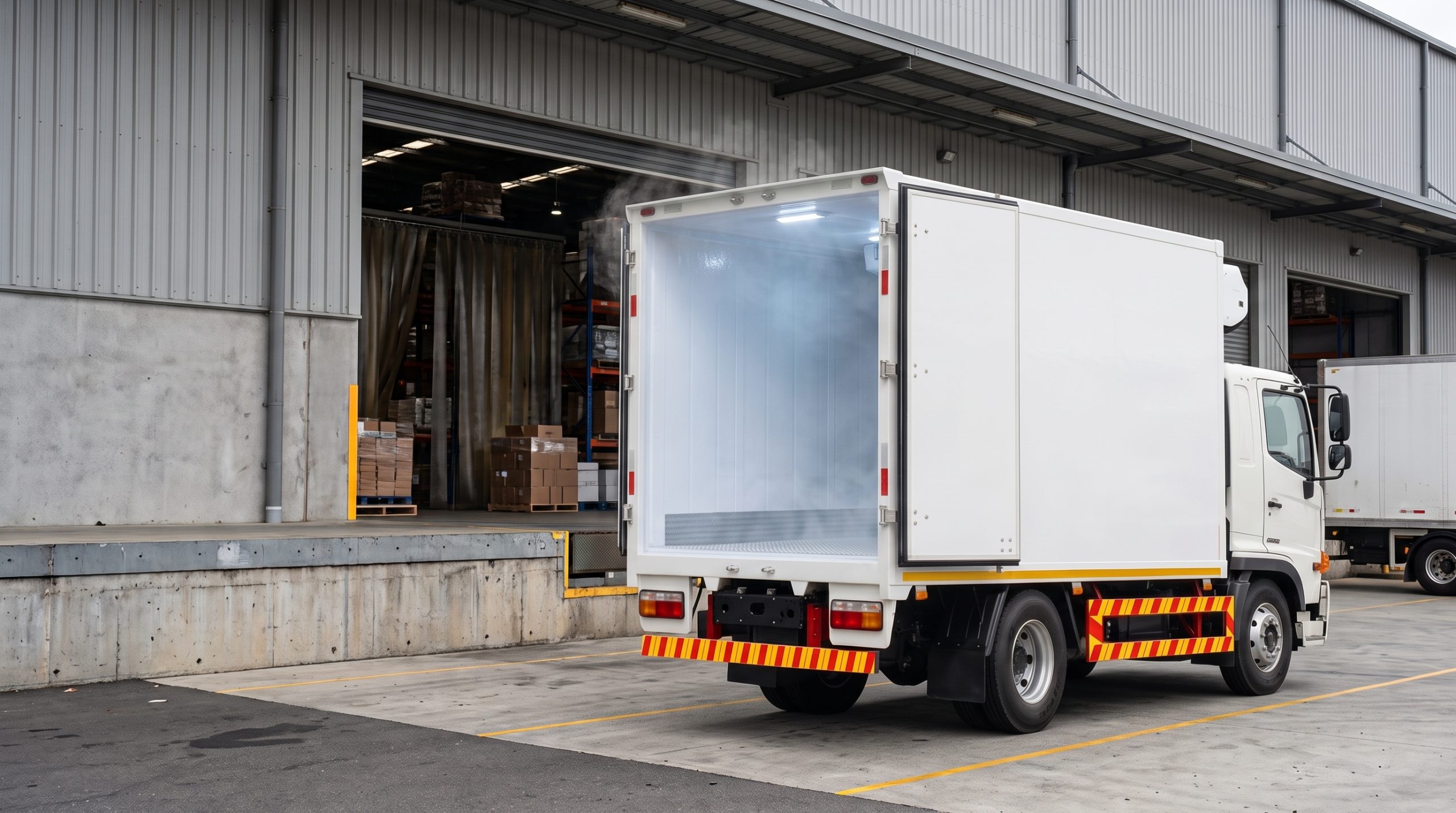
What Is a Refrigerated Container Truck?
A refrigerated container truck combines an insulated cargo body with a dedicated refrigeration system to maintain the required cargo temperature under varying ambient conditions.
The walls, floor, roof, and doors are constructed with insulated panels to minimise heat transfer from the surrounding environment. The refrigeration unit circulates and conditions the air inside the cargo compartment, removing heat and maintaining the required temperature according to the cargo requirements and operating conditions.
Refrigerated container trucks are widely used for transporting frozen foods, chilled meat, seafood, dairy products, fresh produce, pharmaceuticals, and other temperature-sensitive goods where controlled temperature is essential throughout the distribution journey.
However, refrigeration is not simply about making the cargo compartment cold. The system must maintain a stable and appropriate temperature during loading and unloading, traffic delays, frequent door openings, multiple delivery stops, and changing ambient conditions.
This is where the choice between a single-temperature and multi-temperature refrigerated container becomes important. The right configuration depends on the types of cargo being transported, their required temperature ranges, delivery routes, loading patterns, and the operational flexibility required by the fleet.
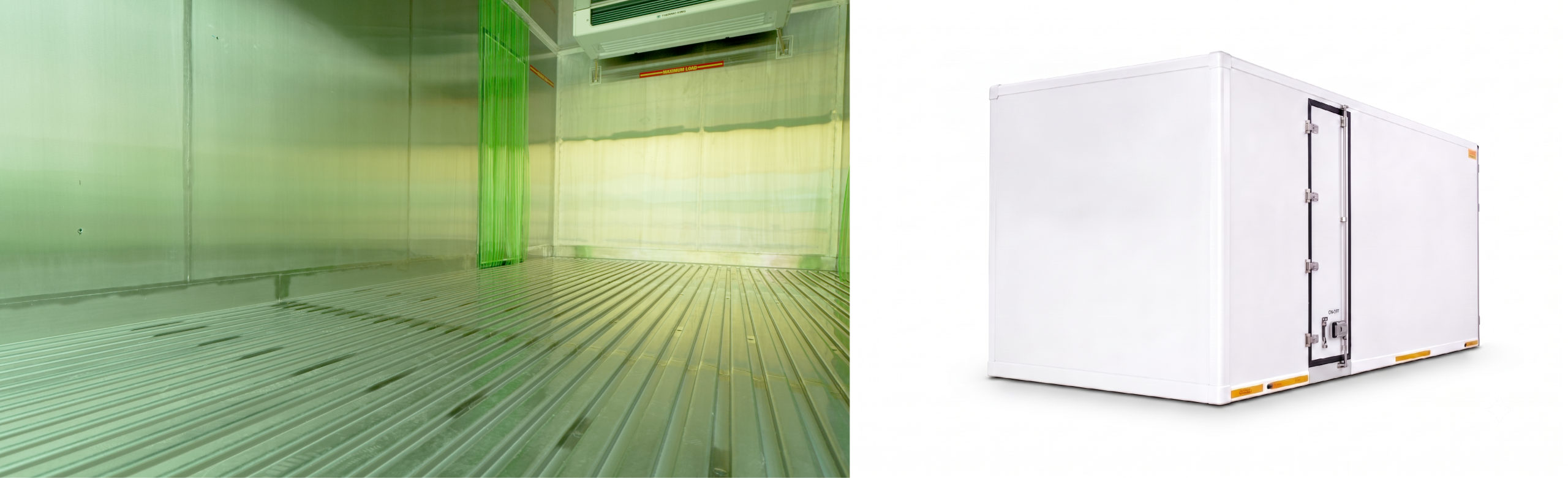
Single-Temperature Refrigerated Containers
A single-temperature refrigerated container is designed to maintain one controlled temperature throughout the entire cargo compartment. The refrigeration system is set to the required temperature for example, around -18°C for frozen products or 2°C to 8°C for chilled products, depending on the cargo requirements and the entire cargo area operates within the same temperature range.
This configuration is relatively straightforward, with one temperature zone, a common airflow system, and a single set of temperature controls. Its simpler operating concept can make loading, unloading, temperature monitoring, and routine maintenance easier for drivers and fleet operators.
For operations transporting a single product category or products with similar temperature requirements, a single-temperature system can be a practical solution. For example, a seafood distributor transporting frozen shrimp or a dairy distributor delivering chilled milk on established routes may have little need for multiple temperature zones.
They key requirement is consistent temperature control and effective airflow throughout the cargo compartment. Proper loading practices are equally important to prevent airflow restrictions and temperature variations between the front and rear of the container.
Single-temperature systems can also offer a lower initial investment and simpler maintenance compared with more complex multi-temperature configurations, although actual cost depends on the refrigeration unit, container size, insulation specification, and overall system design.
For operators with straightforward cargo requirements, predictable delivery routes, and no need to transport products at different temperatures simultaneously, simplicity can be a significant operational advantage.
Multi-Temperature Refrigerated Container Trucks
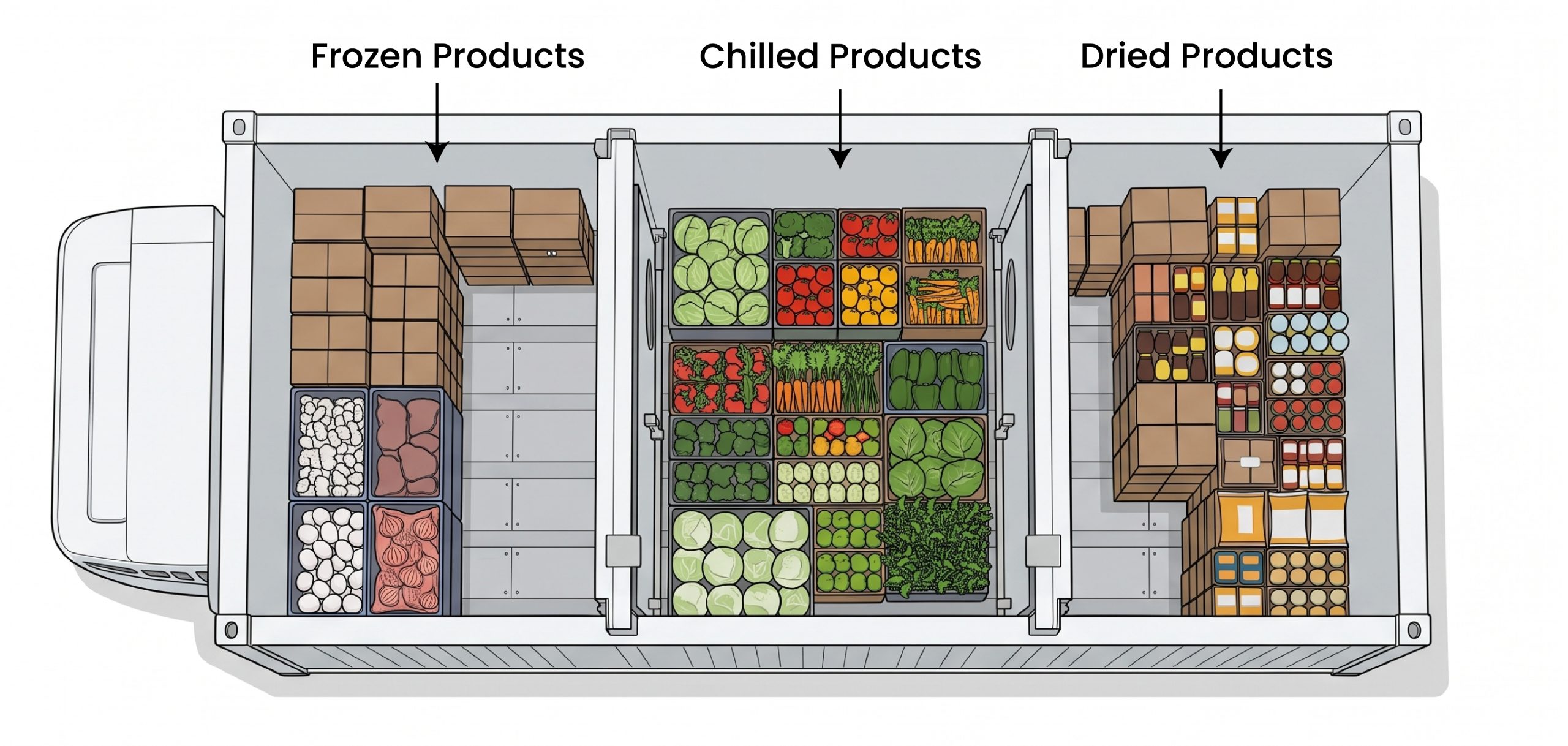
A multi-temperature refrigerated container truck is designed to carry different types of temperature-sensitive cargo within separate controlled temperature zones. Depending on the system design, the cargo within separate controlled temperature zones. Depending on the system design, the cargo area may be divided into two or three zones, with each zone managed according to its required temperature range.
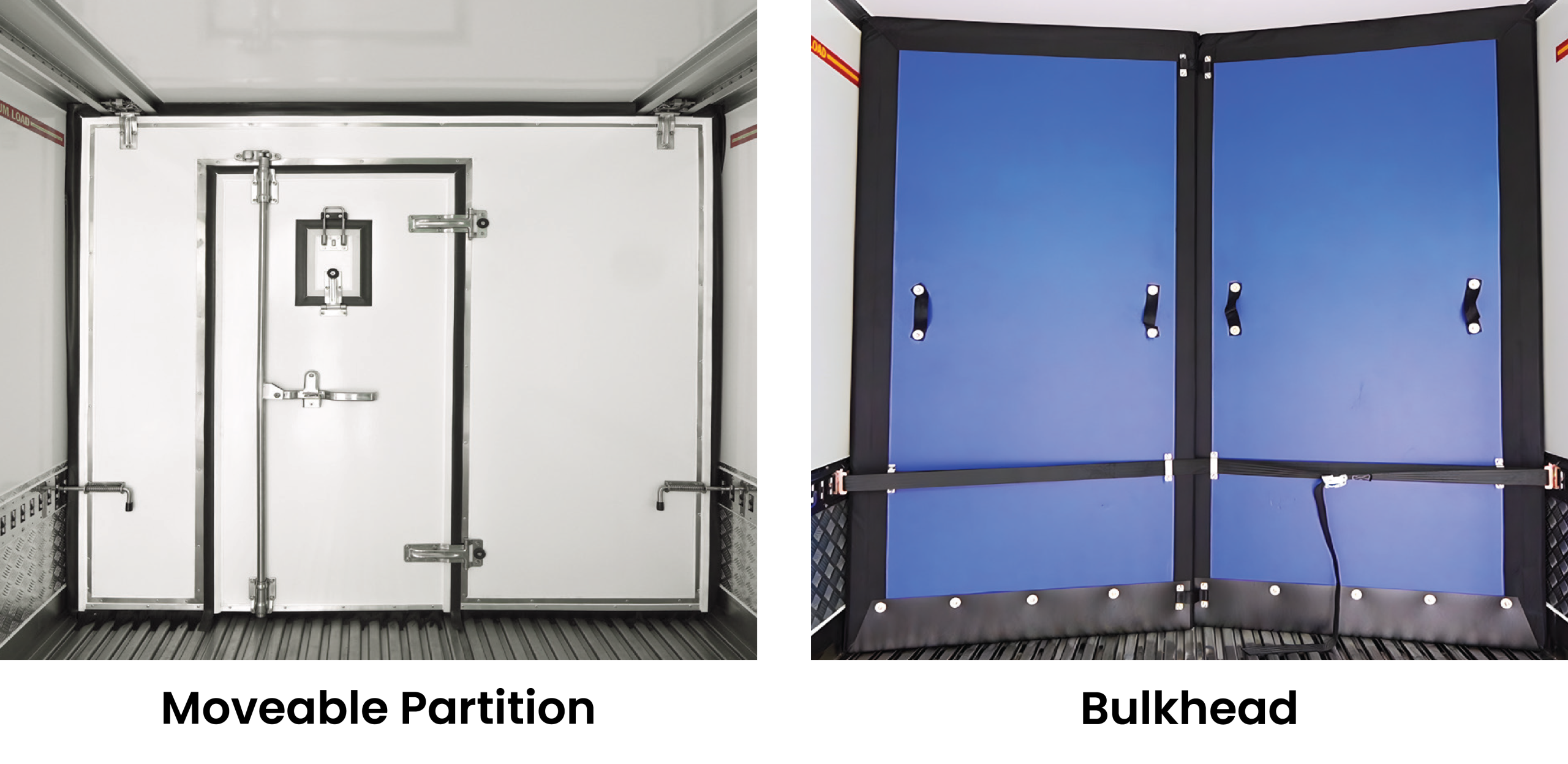
The zones are typically separated by movable insulated partitions or bulkheads, allowing operators to adjust the size of each compartment according to the cargo being carried. This provides greater flexibility when different products require different temperature conditions on the same delivery route.
For example, a single truck may transport frozen products in one compartment, chilled dairy products in another, and fresh produce requiring a different temperature range in a third compartment. Properly designed and operated, this allows different temperature requirements to be managed within the same vehicle without compromising the required conditions for each cargo zone.
This configuration can be particularly useful for food distributors, supermarkets, catering suppliers, and retailers that need to consolidate multiple deliveries into a single route. A supermarket delivery, for example, may combine frozen meat, chilled dairy products, and fresh produce, reducing the need for separate vehicles and potentially improving fleet utilisation.
However, the additional flexibility comes with greater system complexity. Multi-temperature vehicles may require additional insulated partitions, more sophisticated airflow and temperature-control arrangements, and more careful loading procedures. The initial investment and maintenance requirements can therefore be higher than those of a comparable single-temperature system.
Loading sequence and compartment management are also important. Operators need to ensure that each product is loaded into the correct temperature zone, that airflow is not obstructed, and that doors and partitions are properly secured. Poor loading practices can reduce cooling performance and undermine the benefits of having multiple temperature zones.
For operators handling mixed-temperature cargo and multiple delivery destinations on the same route, a multi-temperature configuration can provide significant operational flexibility. The key is to ensure that the system is properly designed around the actual cargo profile, temperature requirements, route pattern, and loading practices.
Single-Temperature vs Multi-Temperature: Key Differences
Choosing between a single-temperature and multi-temperature refrigerated container depends primarily on the types of products being transported, their temperature requirements, delivery routes, and how frequently different products need to be carried together.
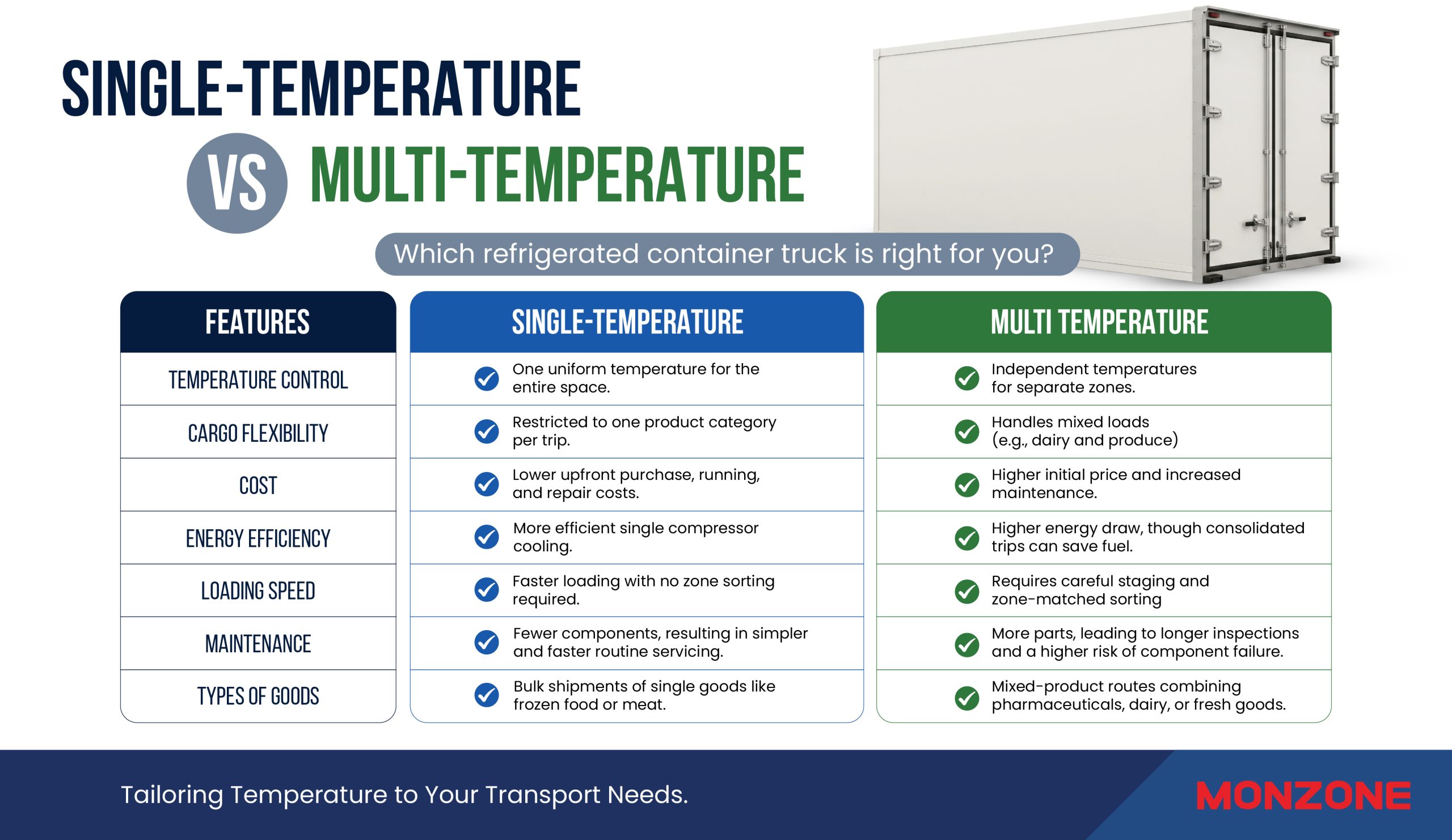
Several practical differences should be considered:
- Temperature Control: A single-temperature system maintains one target temperature throughout the cargo compartment, making temperature monitoring and verification relatively straightforward. A multi-temperature system requires each zone to be monitored according to its specific temperature requirement. Depending on the system design, an issue affecting one zone may not necessarily affect the other zones.
- Cargo Flexibility: Multi-temperature systems provide greater flexibility for operators transporting different products with different temperature requirements on the same route. Single-temperature systems are better suited to operations where the cargo has a common temperature requirement.
- Operating Costs: Single-temperature systems generally have a simpler configuration and may require a lower initial investment and simpler maintenance. Multi-temperature systems involve additional components and controls, which can increase acquisition and maintenance costs. However, consolidating several delivery requirements into one vehicle can potentially improve overall fleet utilisation and reduce the need for multiple trips.
- Energy Efficiency: A single-temperature system can have advantages when cooling a consistently loaded cargo compartment with one temperature requirement. However, energy consumption depends on many factors, including ambient temperature, cargo load, setpoint, door-opening frequency, insulation performance, route conditions, and refrigeration-system efficiency. A well-utilised multi-temperature vehicle may still reduce total fleet energy consumption by consolidating deliveries.
- Loading and Unloading: Single-temperature vehicles generally have simpler loading procedures because the entire cargo area operates at one temperature. Multi-temperature vehicles require cargo to be correctly allocated to the appropriate zone, with careful attention to loading sequence, airflow, partition positioning, and door usage.
- Maintenance and System Complexity: Single-temperature systems typically have a simpler operating configuration. Multi-temperature systems may incorporate additional partitions, controls, sensors, evaporators, airflow arrangements, and other components. This can increase the number of items requiring inspection and maintenance.
- Types of Goods: Single-temperature systems are well suited to bulk shipments where the cargo has a common temperature requirement, such as frozen food, chilled meat, seafood, or dairy products. Multi-temperature systems are particularly useful for mixed loads, such as frozen products together with chilled dairy and fresh produce, where different temperature ranges need to be maintained during the same journey.
Ultimately, there is no one configuration that suits every cold chain operation. The right choice depends on whether the priority is operational simplicity and consistent cargo requirements, or greater flexibility to consolidate different products and delivery requirements within the same vehicle.
Which Solution Is Suitable for Your Cold Chain Operation?
The right refrigerated container configuration is not necessarily the one with the most features. It should be the system that best matches your cargo profile, delivery routes, operating pattern, and fleet requirements.
For operations handling high volumes of a single product category, such as a frozen food processor or seafood exporter running full truckloads, a single-temperature refrigerated container can provide a straightforward and efficient solution. With one temperature requirement across the cargo compartment, the system is simpler to operate, easier to monitor, and generally less complex to maintain.
For businesses distributing a wider mix of products with different temperature requirements, a multi-temperature refrigerated container can provide greater operational flexibility. Third-party logistics providers, supermarket distributors, food-service suppliers, and importers handling both chilled and frozen products may be able to consolidate different deliveries into one vehicle. This can potentially reduce the number of vehicles or trips required and improve fleet utilisation.
Route characteristics also play an important role. Shorter, high-frequency urban routes with multiple customers and mixed orders may benefit from the flexibility of multiple temperature zones. In contrast, long-haul routes carrying a consistent product type to a limited number of destinations may favour the simpler configuration of a single-temperature system.
Other factors should also be considered, including:
- Required cargo temperature ranges
- Volume and weight of each product category
- Number of deliveries stops per route
- Frequency of door openings
- Vehicle and cargo-body dimensions
- Ambient operating conditions
- Loading and unloading procedures
- Available payload
- Maintenance capability and service support
- Total cost of ownership
The key is to select the refrigeration configuration based on actual operating requirements rather than simply the number of temperature zones available.
A properly specified single-temperature system can deliver dependable performance for a focused cargo operation, while a well-designed multi-temperature system can provide valuable flexibility for complex distribution networks. The objective is the same in both cases: maintain the required cargo temperature reliably while achieving efficient and sustainable cold chain operations.
Final Considerations
Neither a single-temperature nor a multi-temperature refrigerated container is inherently better. The right solution depends on matching the equipment to the actual operating requirements including cargo mix, shipment volume, required temperature ranges, delivery routes, number of stops, loading patterns, and fleet utilisation.
Making the right choice from the beginning can help improve temperature control, reduce operational complexity, minimise the risk of temperature-related cargo loss, and support more efficient fleet utilisation.
For operators with consistent cargo and an single temperature requirement, a single-temperature system may provide the simplicity and reliability needed for a day-to-day operations. For businesses handling mixed cargo and multiple temperature requirements, a multi-temperature system can provide the flexibility to consolidate deliveries and serve different customers with one vehicle.
Need Help Choosing the Right Refrigerated Solution?
At Monzone Group, we work with businesses across the cold chain to understand their cargo requirements, temperature ranges, delivery routes, loading patterns, and operating conditions before recommending a suitable refrigerated transportation solution.
Our support goes beyond equipment supply. We provide technical guidance, driver refresher training, maintenance support, and after-sales service to help customers operate and maintain their refrigerated vehicles effectively throughout their working life.
Choose the right configuration. Protect your cargo. Maximise your fleet.
Contact Monzone Group to discuss you requirements and request a quotation for a refrigerated transportation solution designed around your operation.
Monzone Group – Your Cold Chain Solution Partner.
