 Skip to content

Why Electric Refrigerated Trucks Are Transforming the Cold Chain Logistics in Southeast Asia
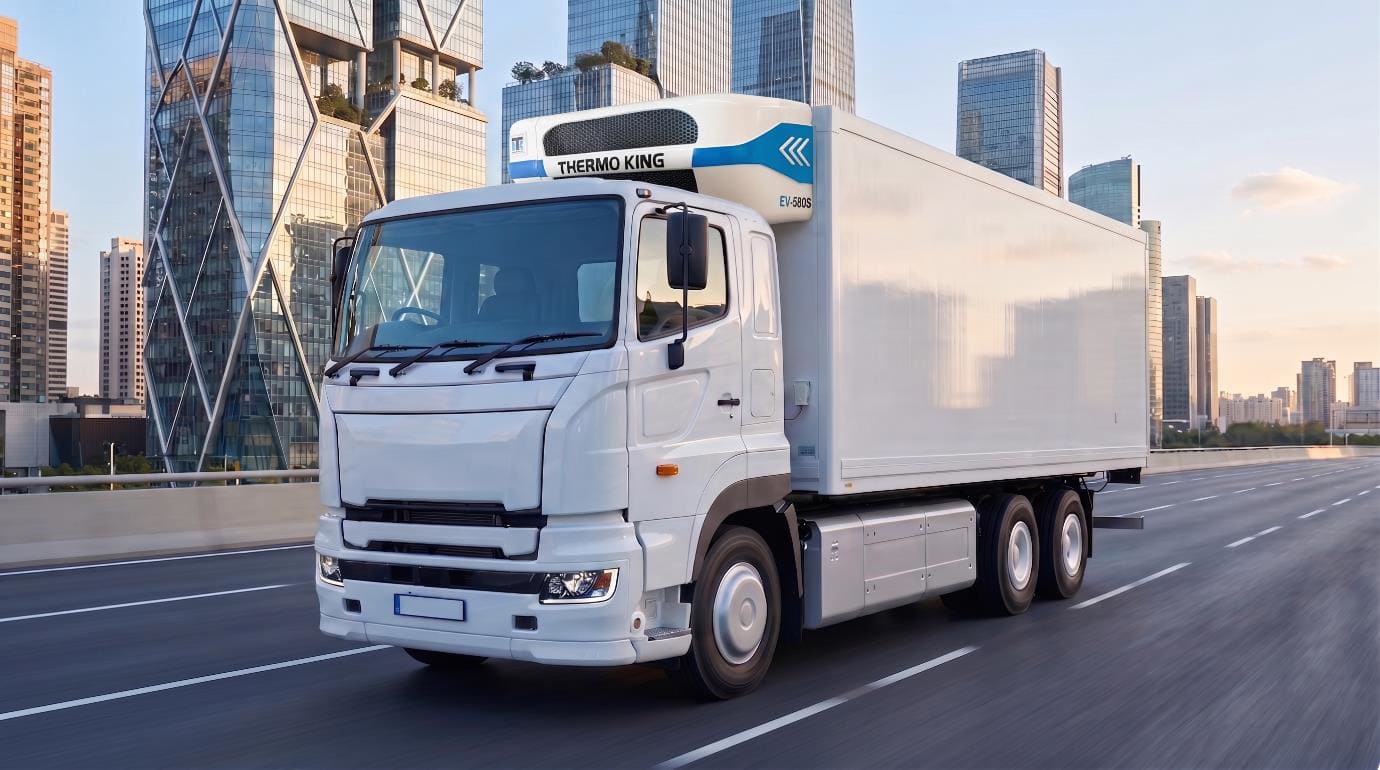
Cold chain logistics across Southeast Asia is undergoing a significant transformation. Governments in Singapore, Malaysia, Thailand, and other countries across the region are introducing stricter emissions regulations, while businesses are accelerating their journey toward net-zero carbon targets. As a result, electric vehicles for temperature-controlled transportation have evolved from a future concept into a practical solution that is already being adopted by fleet operators today.
At the forefront of this transition is the electric refrigerated truck—a purpose-built vehicle that integrates a battery-electric drivetrain with advanced electric refrigeration technology to transport temperature-sensitive goods efficiently, reliably, and with zero tailpipe emissions. By delivering sustainable cold chain solutions without compromising temperature performance, electric refrigerated trucks are redefining the future of refrigerated transport throughout Southeast Asia.
Singapore’s CVES: A Financial Push Toward Zero Emission Trucks
Singapore has been one of the most aggressive movers on commercial vehicle emissions in the region. Through the Commercial Vehicle Emissions Scheme (CVES), which came into effect on 1 April 2021, all newly registered light goods vehicles and light buses are classified into three bands based on their emissions output:
- Band A, the cleanest tier, qualifies for a S$15,000 rebate, giving fleet operators a direct financial reason to go electric.
- Band B sits in the middle, with no penalty or incentive attached.
- Band C, for the highest emitters, attracts a S$15,000 surcharge, which starts to make diesel units considerably more expensive to bring in.
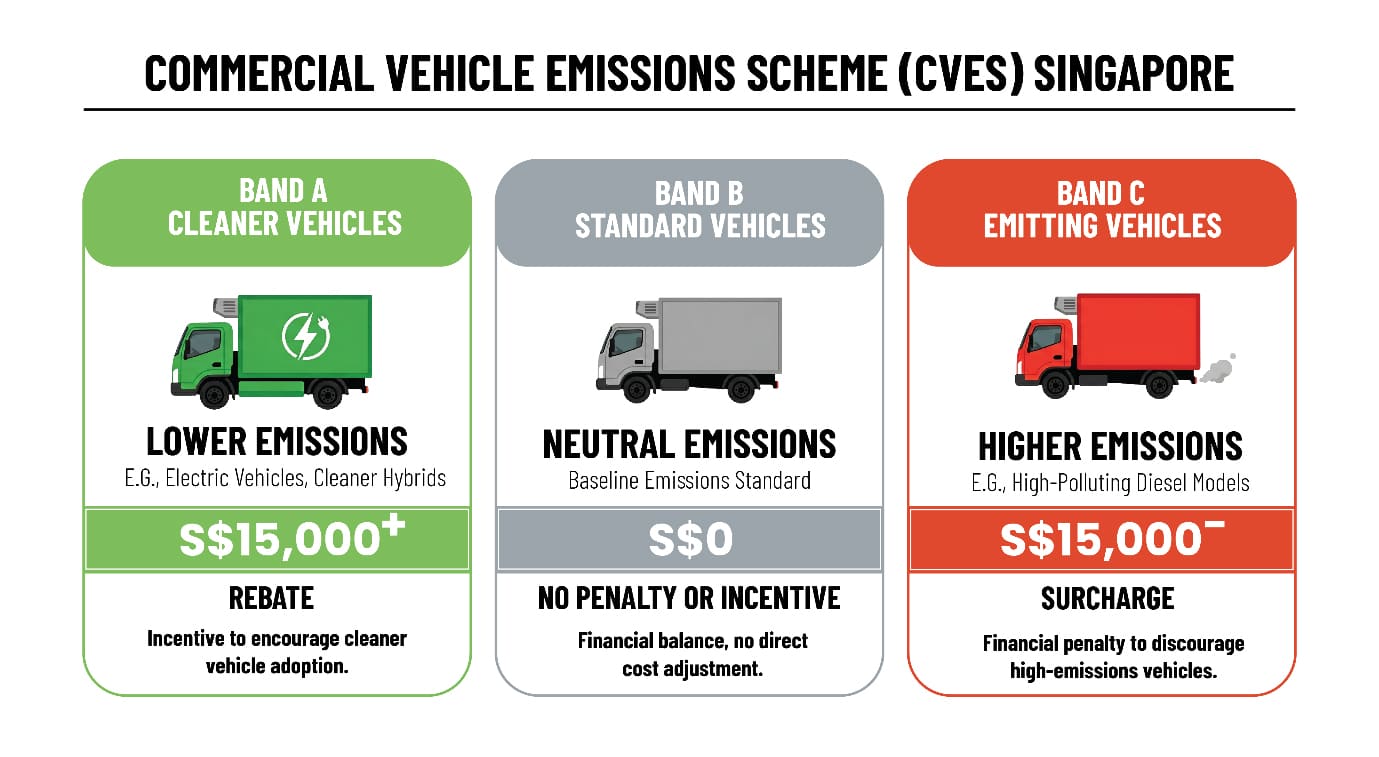
For anyone running a fleet in Singapore, that S$30,000 swing between Band A and B and C is hard to ignore. A battery electric truck running a Thermo King EV refrigeration system comfortably qualifies for Band A, which means operators can offset a meaningful chunk of the upfront vehicle cost while keeping running costs lower over time. The policy direction only adds to the urgency under the Singapore Green Plan 2030, all new car and taxi registrations must already be cleaner-energy models from 2030, an interim push that is steering the broader market toward electrification well ahead of the government’s full 2040 vision of an all-electric vehicle fleet. For fleet operators, that means the cost of staying on diesel is only going to climb as the 2030 deadline approaches and the 2040 target gets closer.
Charging Infrastructure Support: The EHVCG Grant
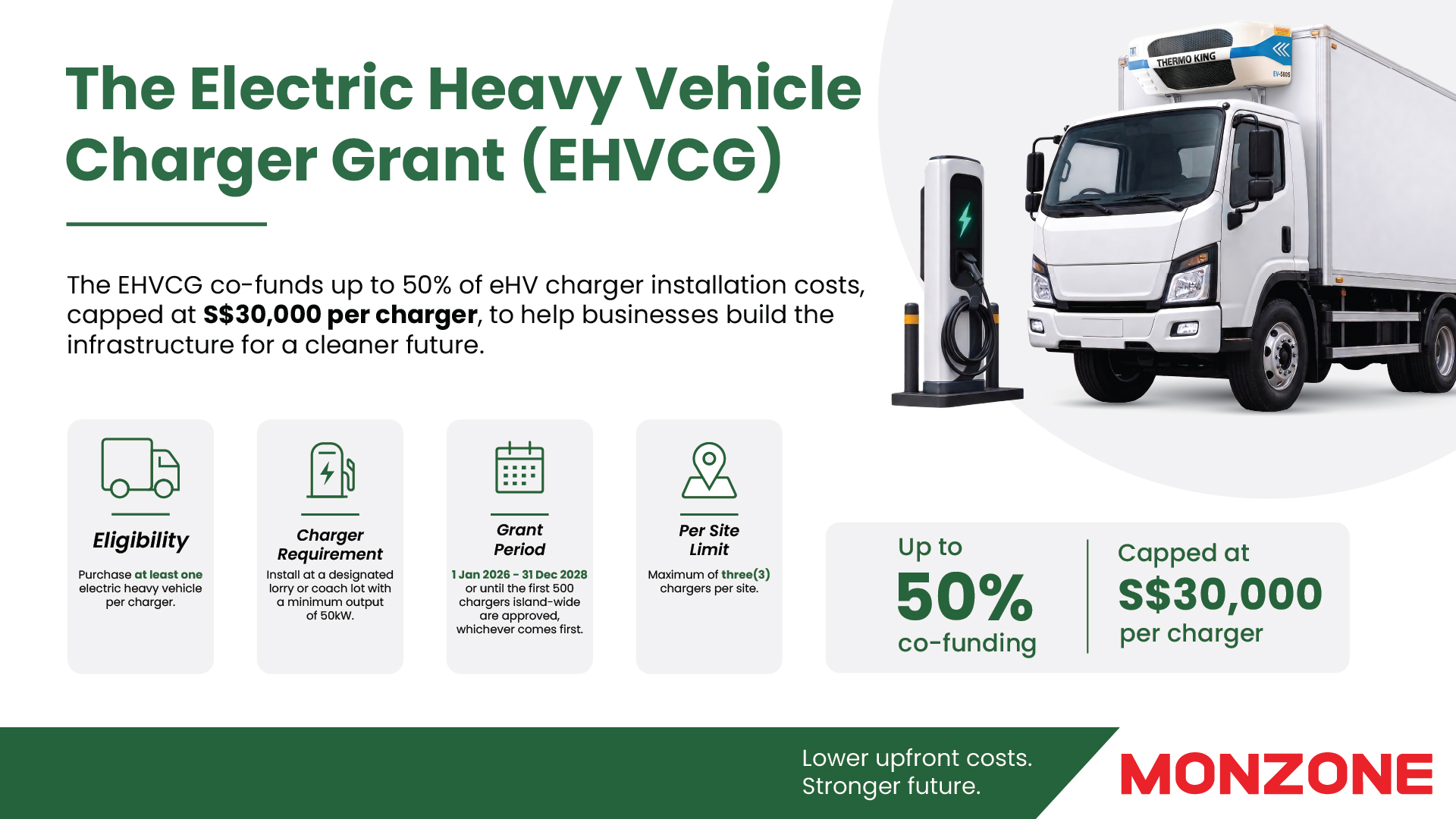
Beyond the CVES rebate on vehicle purchase, Singapore is also addressing the other major upfront cost of electrification: charger installation. The Electric Heavy Vehicle Charger Grant (EHVCG) co-funds up to 50% of eHV charger installation costs, capped at S$30,000 per charger, for fleet operators installing chargers at their business premises.
To qualify, operators must purchase at least one electric heavy vehicle per charger, and the charger must be installed at a designated lorry or coach lot with a minimum output of 50kW. The grant runs from 1 January 2026 to 31 December 2028, or until the first 500 charges island-wide are approved, whichever comes first, with a maximum of three chargers per site.
For cold chain operators weighing the switch to electric refrigerated trucks, EHVCG meaningfully lowers the infrastructure barrier that often gets overlooked in the total cost of ownership conversation, stacking directly with the CVES vehicle rebate to reduce both sides of the upfront investment.
What Changes When You Switch to Electric?
Conventional diesel refrigerated trucks are among the highest-emitting vehicles in the cold chain logistics sector. They generate nitrogen oxides (NOx), particulate matter (PM), and substantial carbon emissions from two separate sources—the diesel-powered drivetrain and the diesel engine that powers the refrigeration unit.
By switching to a battery-electric refrigerated truck equipped with an integrated electric refrigeration system, both of these emission sources are eliminated at the vehicle level, resulting in zero tailpipe emissions while maintaining reliable temperature-controlled transport.
The advantages extend well beyond environmental performance. Electric refrigerated trucks operate significantly more quietly than conventional diesel vehicles, making them particularly well suited for densely populated urban areas such as Singapore, Kuala Lumpur, and Bangkok. As cities increasingly implement restrictions on noise and night-time deliveries, the quieter operation of electric trucks enables logistics operators to comply more easily with local regulations while extending delivery windows.
Drivers also benefit from a quieter and smoother driving experience. With substantially lower noise levels and reduced vibration, electric refrigerated trucks provide a more comfortable working environment, helping to reduce driver fatigue and improve overall operating conditions.
Why an Integrated EV Refrigeration System Makes More Sense
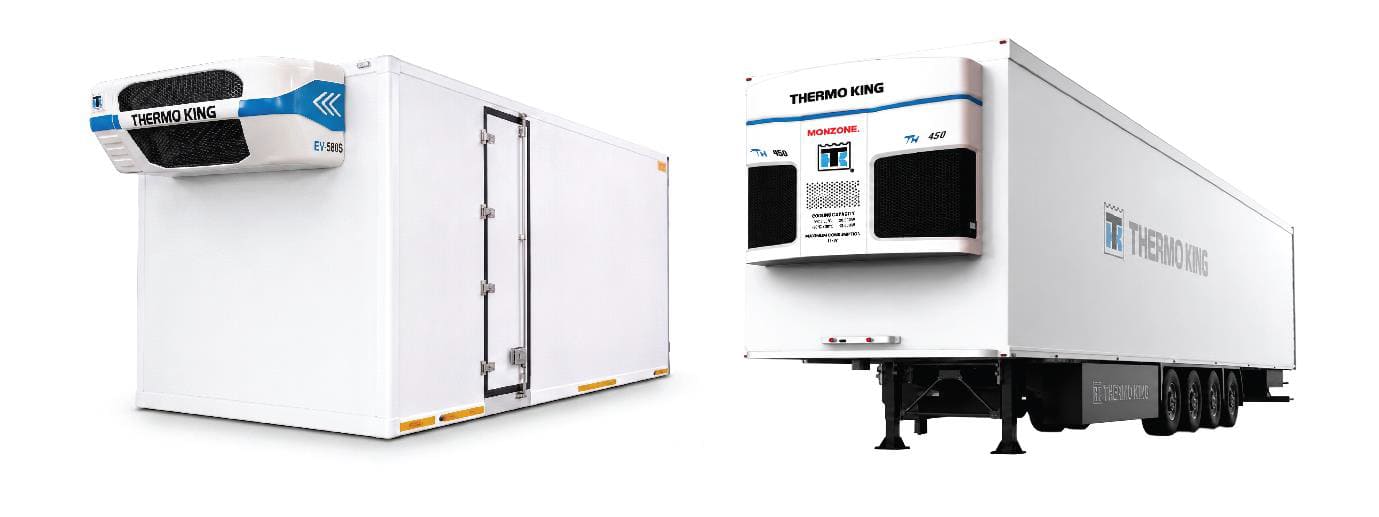
One of the most significant advantages of an electric refrigerated truck is the efficiency of its integrated EV refrigeration system. Unlike conventional diesel-powered refrigerated trucks, which rely on a separate diesel engine (genset) to operate the refrigeration unit, modern electric refrigeration systems draw power directly from the truck’s high-capacity traction battery.
This single-power-source architecture eliminates the need for a secondary engine, reducing energy losses and improving overall system efficiency. By integrating propulsion and refrigeration into one intelligent energy management system, operators can achieve lower operating costs while maintaining reliable temperature control.
Key benefits of an integrated EV refrigeration system include:
- Single energy source – Both vehicle propulsion and refrigeration are powered by the same high-capacity battery, eliminating the need for a separate diesel-powered refrigeration unit and reducing overall operating costs.
- Energy recovery through regenerative braking – During deceleration and braking, energy is recovered and returned to the battery, helping to extend driving range and improve overall energy efficiency, particularly on urban delivery routes.
- Intelligent thermal management – Advanced control systems continuously optimise compressor operation and cooling performance based on real-time temperature demand, reducing unnecessary energy consumption while maintaining precise cargo temperatures.
- Zero idling emissions – Unlike diesel refrigeration units that consume fuel while stationary, electric refrigeration systems continue operating without engine idling, eliminating unnecessary fuel consumption, reducing emissions, and lowering operating expenses during loading, unloading, and delivery stops.
By combining electric propulsion with an integrated refrigeration system, fleet operators benefit from greater energy efficiency, lower maintenance requirements, quieter operation, and a more sustainable cold chain solution without compromising refrigeration performance.
ESG Is No Longer Just a Reporting Exercise
For businesses operating in the food, pharmaceutical, and fast-moving consumer goods (FMCG) sectors, sustainable cold chain logistics has evolved from a competitive advantage into a business necessity. Customers increasingly expect environmentally responsible logistics, regulators are strengthening sustainability disclosure requirements, and investors are placing greater emphasis on environmental, social, and governance (ESG) performance when evaluating companies.
Fleet electrification is one of the most effective strategies for reducing greenhouse gas emissions across the logistics value chain. By replacing conventional diesel refrigerated trucks with electric refrigerated vehicles, companies can significantly lower Scope 1 emissions from their own operations while also contributing to reduced Scope 3 emissions throughout their supply chains. This supports measurable progress toward net-zero logistics objectives and strengthens the credibility of corporate ESG reporting.
Across Southeast Asia—including Malaysia, Singapore, Thailand, and the Philippines—multinational manufacturers, retailers, and logistics providers are establishing ambitious sustainability targets and encouraging their supply chain partners to align with these commitments. This growing emphasis on sustainability is accelerating the adoption of electric commercial fleets throughout the region.
Thailand has emerged as a key driver of commercial vehicle electrification. Through investment incentives provided by the Board of Investment (BOI) and the national “30@30” policy, which aims for electric vehicles to account for 30% of the country’s vehicle production by 2030, the government is actively supporting the transition to cleaner transportation. For cold chain logistics operators, these initiatives present both a regulatory imperative and a valuable opportunity to modernise fleets, improve operational efficiency, and strengthen long-term competitiveness.
Electric vs. Diesel: Where the Real Comparison Lies
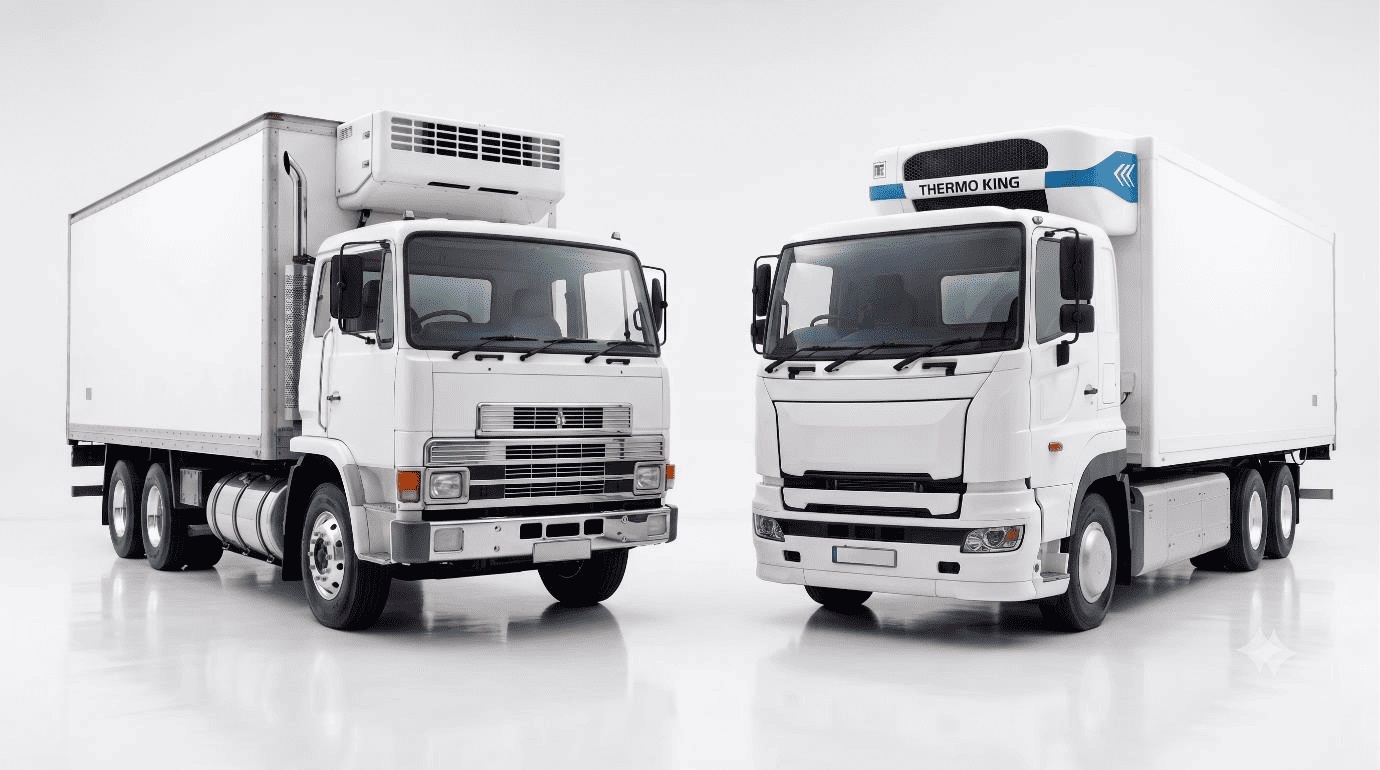
Diesel refrigerated trucks have long been the industry standard, supported by familiar technology and well-established refuelling infrastructure. These advantages remain relevant today. However, the long-term economic and regulatory outlook is steadily shifting in favour of electrification.
Fleet operators are facing increasing pressure from fluctuating diesel prices, rising carbon-related costs, more stringent emissions regulations, and the introduction of vehicle emissions-based policies and surcharges in various markets across the region. As sustainability requirements continue to evolve, the long-term business case for diesel-powered fleets is becoming progressively more challenging.
In contrast, electric refrigerated trucks offer compelling long-term operational and financial advantages. Powered by advanced battery-electric technology and integrated EV refrigeration systems, they deliver lower total cost of ownership through reduced energy expenses, fewer maintenance requirements, and simplified vehicle servicing. With no internal combustion engine, there are fewer moving parts to maintain, no engine oil changes, and reduced wear on mechanical components, contributing to higher vehicle uptime and lower lifecycle costs.
Beyond operational efficiency, electric fleets provide measurable environmental benefits. Their emissions performance can be accurately monitored and verified, enabling organisations to report sustainability metrics with greater confidence. This supports compliance with internationally recognised reporting frameworks such as the Greenhouse Gas (GHG) Protocol and helps businesses meet the growing expectations of customers, investors, and regulators for transparent and accountable ESG reporting.
For many cold chain operators across Southeast Asia, the question is no longer whether electrification will become part of their business strategy, but how quickly they can transition to remain competitive in an increasingly sustainability-focused market.
Where is the Industry Heading?
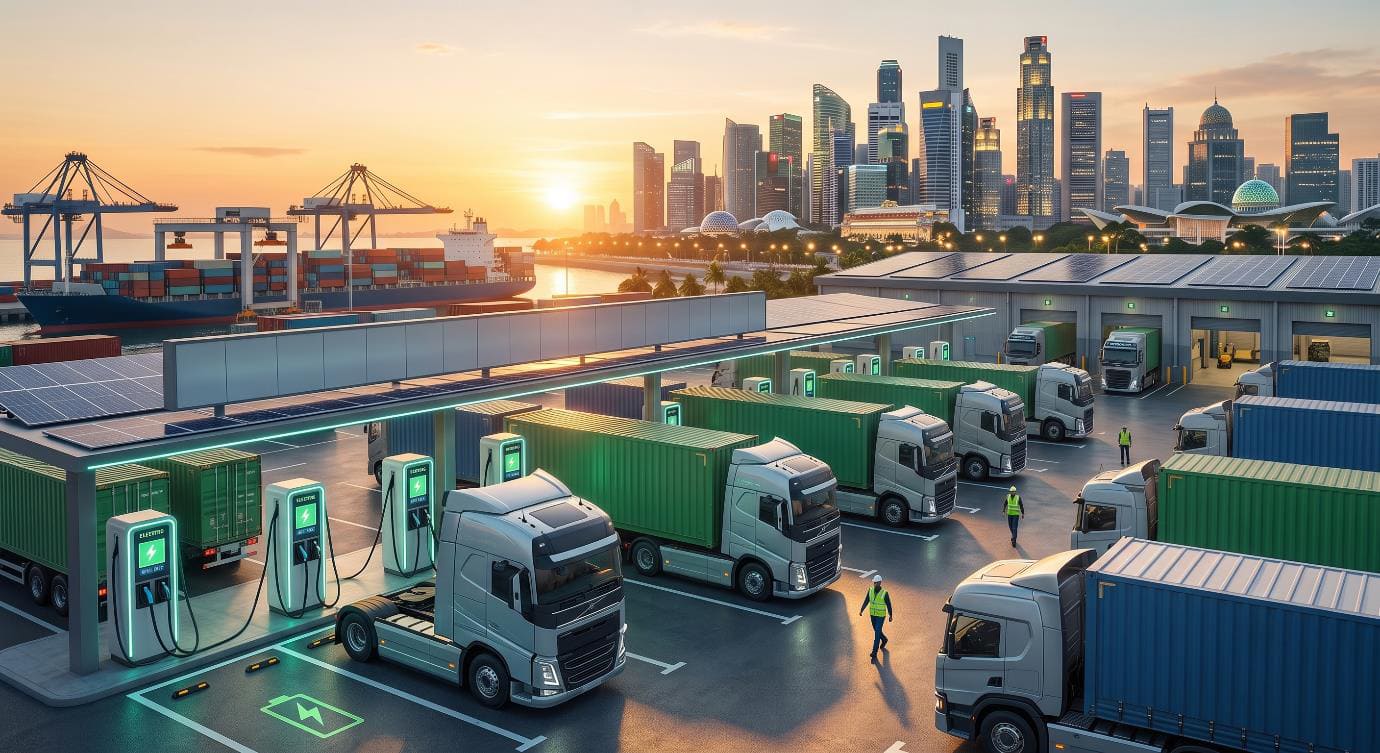
Across Southeast Asia, policy developments, technological advancements, and evolving market expectations are converging to accelerate the transition toward cleaner cold chain transportation. Government initiatives such as Singapore’s Commercial Vehicle Emissions Scheme (CVES), Malaysia’s National Energy Transition Roadmap (NETR), Thailand’s “30@30” electric vehicle agenda, and increasingly stringent ESG disclosure requirements are collectively reshaping the future of commercial transport.
At the same time, rapid advancements in battery technology, charging infrastructure, and electric refrigeration systems are making electric refrigerated trucks more practical, reliable, and economically viable than ever before. Modern EV refrigeration solutions are now specifically engineered to meet the demanding operating conditions of Southeast Asia, delivering consistent temperature performance in high ambient temperatures, frequent stop-and-go urban deliveries, and long-distance regional transport.
For logistics providers, food distributors, pharmaceutical companies, and cold chain operators, the transition to zero-emission refrigerated transport is no longer simply an environmental initiative—it is becoming a strategic business decision. Organisations that begin planning and investing today will be better positioned to reduce operating costs, strengthen regulatory compliance, achieve sustainability objectives, and meet the evolving expectations of customers and supply chain partners.
The question is no longer whether electric refrigerated trucks will become an integral part of Southeast Asia’s cold chain logistics industry. Instead, the focus has shifted to how organisations can adopt this technology strategically, ensuring a transition that delivers both operational excellence and long-term commercial value.
As the authorised distributor of Thermo King transport refrigeration solutions across Malaysia, Singapore, Thailand, and the Philippines, Monzone Group is well positioned to support businesses in their transition to electric cold chain logistics. Leveraging extensive regional experience and industry expertise, we provide purpose-built EV refrigeration solutions that are engineered to perform reliably in Southeast Asia’s demanding climate, operating conditions, and regulatory environment.
Beyond supplying advanced refrigeration technology, Monzone Group works closely with fleet operators to understand their operational requirements and develop practical electrification strategies that align with their business objectives. From fleet assessment and system selection to after-sales support and maintenance, we are committed to helping customers achieve a smooth, efficient, and sustainable transition toward the next generation of cold chain transportation
