Category Archives: Uncategorized

The Complete Guide to Cold Chain Logistics for Temperature-Sensitive Products

Cold chain logistics is the silent force ensuring the safe and reliable delivery of temperature-sensitive goods. Whether transporting pharmaceuticals, fresh produce, or frozen foods, these products must be kept at a consistent temperature throughout every stage of their journey. Even a slight fluctuation can compromise an entire shipment, resulting in significant loss or safety risks. Today, businesses depend heavily on robust cold chain systems to keep their products fresh, protected, and ready for use. Cold chain transportation doesn’t just move goods—it safeguards them.

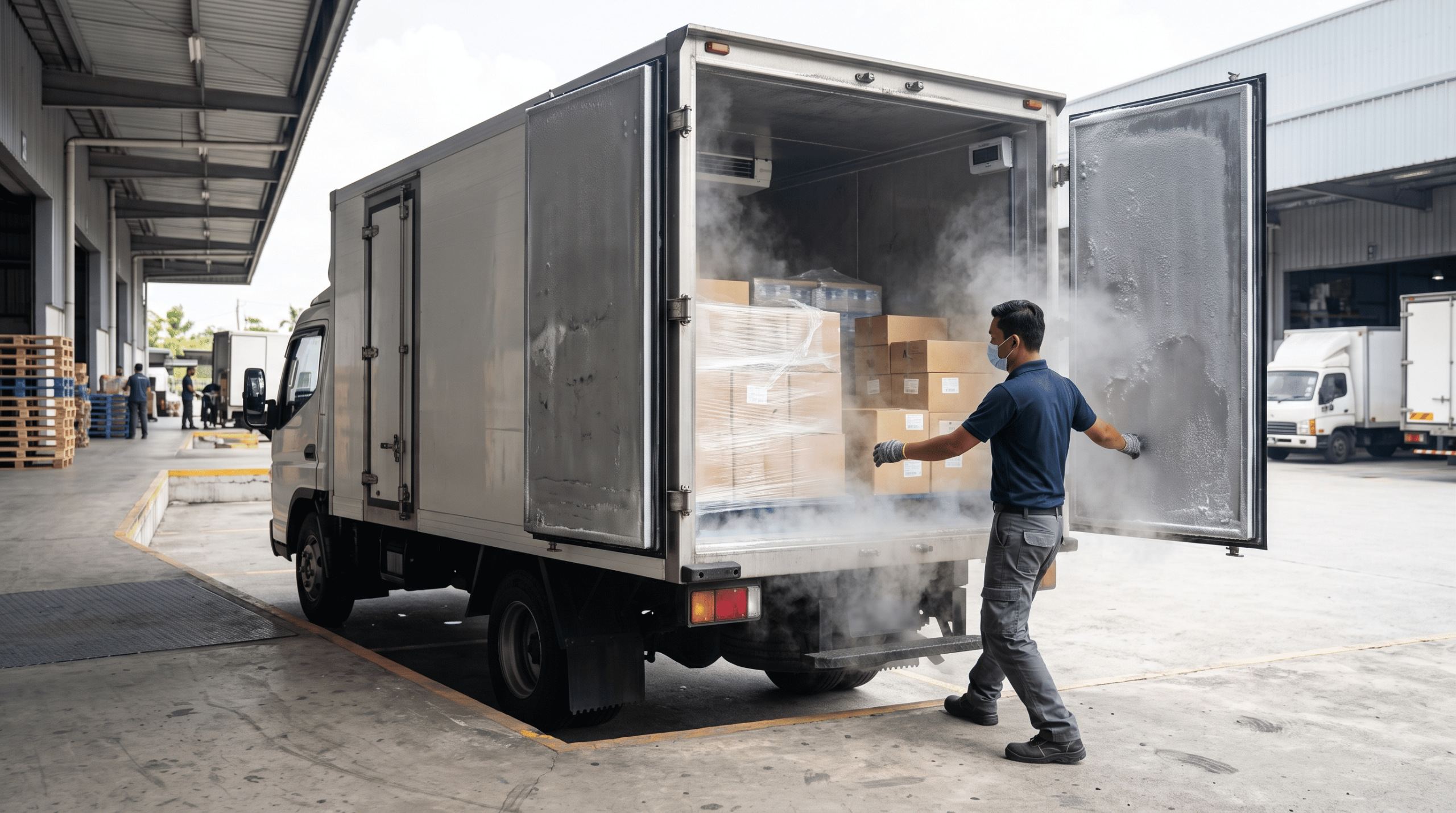
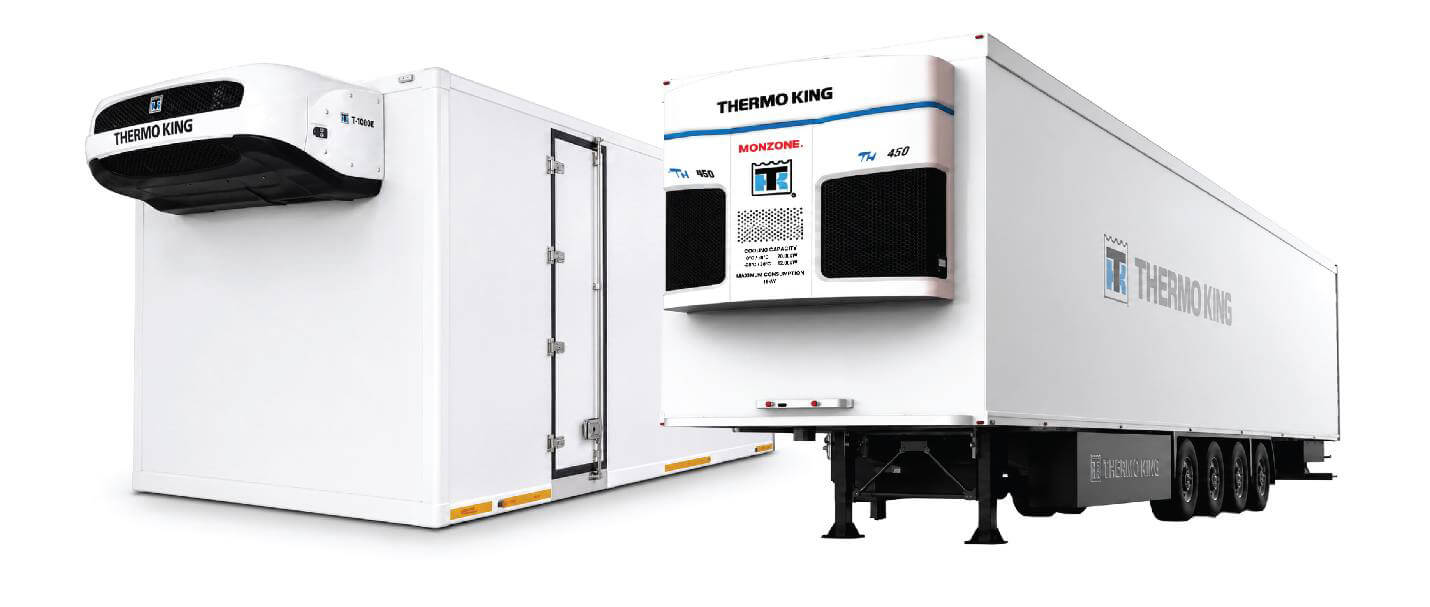
Transporting cold or frozen goods requires far more than simply loading them onto a truck. Specialized vehicles are built with advanced refrigeration units and high-performance insulation to maintain stable airflow and precise temperatures. Integrated monitoring tools continuously track and record temperature conditions throughout the journey, ensuring every shipment arrives exactly as it left the warehouse. Cold chain logistics doesn’t just move cargo—it preserves its value, protects its safety, and upholds customer trust.

Cold Chain Logistics for Temperature-Sensitive Products

Types of Temperature-Sensitive Products

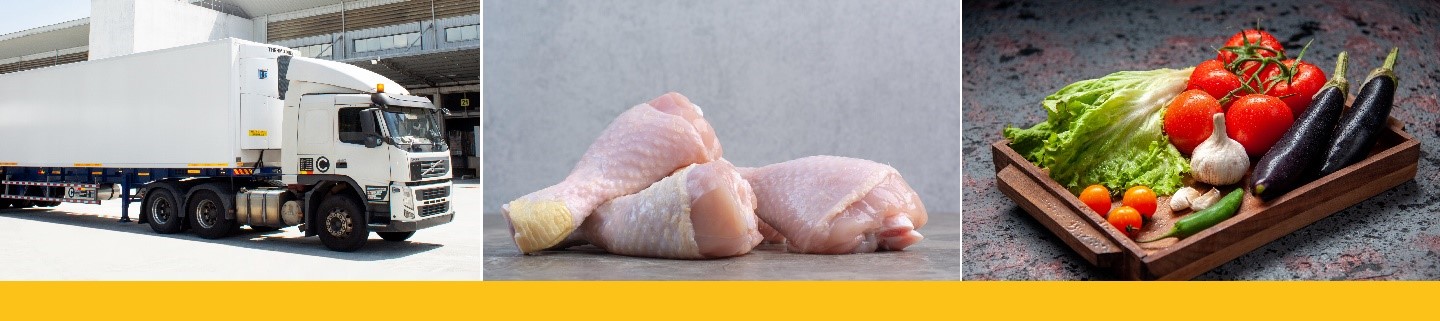
Vaccines, dairy products, seafood, meat, and laboratory samples are just some of the products that require strict temperature control during transport. Even minor fluctuations can cause them to spoil, melt, or lose potency. Each item has a specific temperature range it must remain within, and once that range is breached, the product may no longer be safe or usable. This is why every second counts when transporting temperature-sensitive goods.

Why Consistent Temperature Control Matters

Teams rely on freezer trucks, insulated containers, and integrated refrigeration systems to maintain consistent low temperatures throughout the entire journey. These systems operate on vehicle power or battery sources, ensuring uninterrupted cooling at every stage of transport. Many businesses also require customized designs tailored to the specific needs of their products, as a one-size-fits-all solution is not suitable when product integrity, health, and safety are on the line.

Preventing Loss Through Specialised Handling

Effective planning and precise temperature control are essential for preserving product freshness. A reliable cold chain  transportation does more than streamline operations—it empowers businesses to safeguard their most valuable goods.

What Exactly is a Cold Chain in Logistics?

What is a Cold Chain?

A cold chain is a temperature-controlled system that protects goods from the point of origin to their final destination. It relies on trained personnel, specialized equipment, and established procedures to maintain product integrity throughout the journey. The primary goal is to prevent any temperature deviation from the safe range—ensuring consistent quality and safety at every step.

Key Components in the System

A cold chain uses cold storage rooms, freezer vans, reefer containers, temperature readers, and foam-lined packaging. Every stop—whether a warehouse, a dock, or a shop—must hold the temperature steady. If the chain breaks at any point, the product may spoil or become unsafe.

End-to-End Preservation

Cold chain transportation relies on advanced cooling units that adjust temperatures remotely in real time as needed. These systems enable businesses to safeguard their goods across cities, ports, and even international routes. Whether transporting food, pharmaceuticals, or other sensitive products, the cold chain ensures protection and quality from start to finish.

Harnessing Cold Chain Equipment, Technology and Packaging for Logistical Success

Equipment That Maintains Consistent Cooling

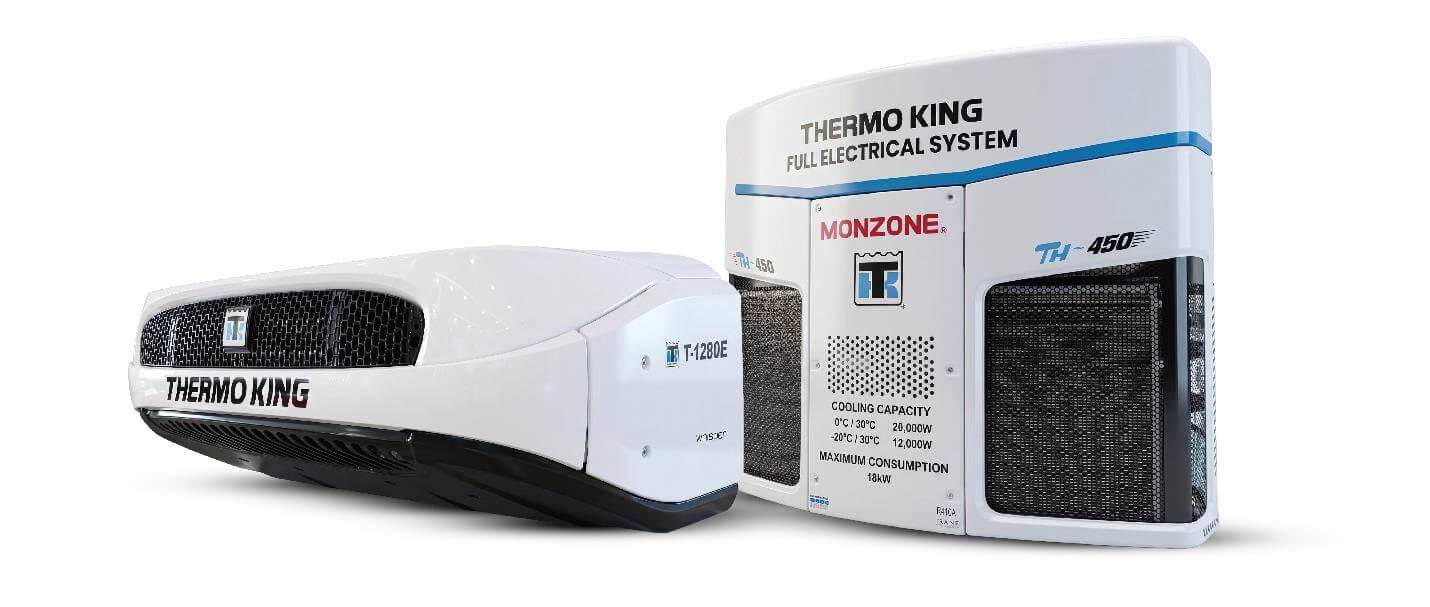
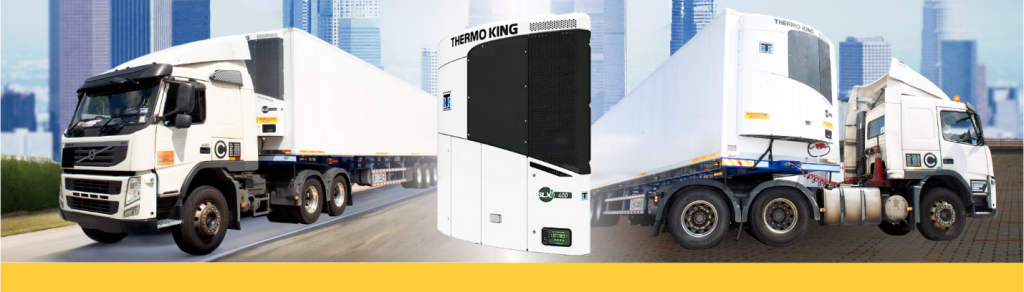
Cold chain logistics rely on both light- and heavy-duty vehicles supported by advanced technologies, including Thermo King’s intelligent refrigeration features and wireless two-way communication for real-time monitoring.

The system includes refrigerated trucks and chiller containers equipped with high-performance cooling units designed to protect perishable goods throughout long-haul transport—even in the event of a truck engine failure.

Many self-powered refrigeration units operate using their own diesel engines and can switch to shore power when stationary, ensuring continuous cooling without depending on the vehicle’s fuel supply.

Monitoring Tools That Ensure Control

Smart sensors continuously record and transmit real-time data such as temperature readings, door open/close status, and whether the vehicle is in motion or stationary. Users can set upper and lower temperature limits to ensure proper cold chain integrity. If the temperature moves outside the set range, instant alerts are sent to the user’s smartphone, enabling quick action before any spoilage occurs.

The Importance of Cold Chain Transportation

Meeting Safety and Compliance Standards

Cold chain transportation plays a critical role in protecting both public safety and product quality. In healthcare, improper handling of temperature-sensitive medicines can lead to reduced effectiveness or potential harm to patients. In food logistics, inadequate temperature control can result in spoilage, waste, or foodborne illness. By maintaining strict temperature standards, cold chain transportation ensures regulatory compliance, safeguards consumers, and preserves the integrity of sensitive products.

Maximizing Product Shelf Life and Quality

Using the right trucks equipped with reliable refrigeration coolers systems helps prevent food from spoiling prematurely. Many trucks are also fitted with backup cooling source in the refrigeration units such as input land power, self-powered, vehicle powered, electrical standby units to ensure continuous temperature control in the event of a system failure.

When every component works together effectively, the entire cold chain supply benefits—keeping products fresh, protected, and safe for longer periods.

Building Customer Confidence Through Precision

When companies invest in reliable cold chain systems, they earn the confidence of their customers. Consistently delivering products that are clean, safe, and properly preserved strengthens credibility. This trust not only protects brand reputation but also helps build long-term business relationships.

Challenges in Cold Chain Transportation

Maintaining Consistent Temperature Across the Journey

Many challenges can arise during cold chain distribution. Roadblocks, heavy traffic, adverse weather conditions, and extended customs clearance can significantly prolong travel time, increasing the need for meticulous quality control. In high ambient temperatures, even a brief temperature deviation inside the insulated container can quickly compromise the goods. Every aspect of the journey must be carefully planned and managed to ensure product integrity and successful delivery.

Equipment Failures and Technical Malfunctions

Cooling systems can fail if they do not undergo regular maintenance or scheduled servicing. If a temperature malfunction goes undetected, the shipment may be rejected upon arrival. It is essential for the Outgoing QC team to verify that the required temperature performance has been met before releasing the goods for delivery.

Limited Cold Chain Infrastructure in Remote Areas

Cooling systems can fail if they do not undergo regular maintenance or scheduled servicing. If a temperature malfunction goes undetected, the shipment may be rejected upon arrival. It is essential for the Outgoing QC team to verify that the required temperature performance has been met before releasing the goods for delivery.

High Operational Costs

Cooling systems can fail if they do not undergo regular maintenance or scheduled servicing. If a temperature malfunction goes undetected, the shipment may be rejected upon arrival. It is essential for the Outgoing QC team to verify that the required temperature performance has been met before releasing the goods for delivery.

Components That Build a Strong Cold Chain Network

Vehicles and Insulated Containers that keep cargo’s Cool

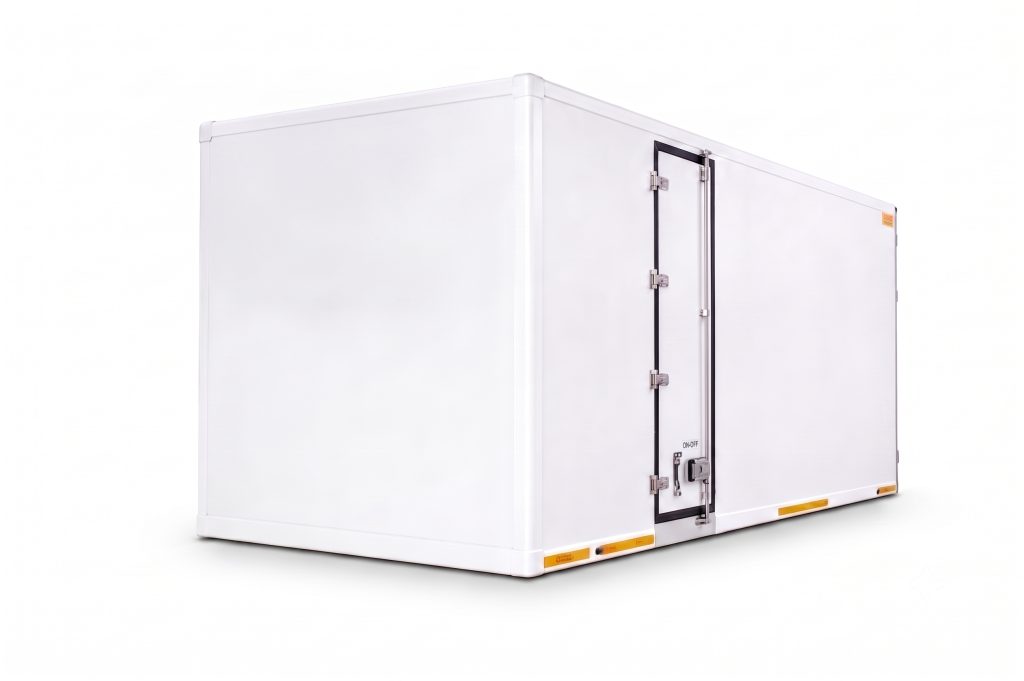
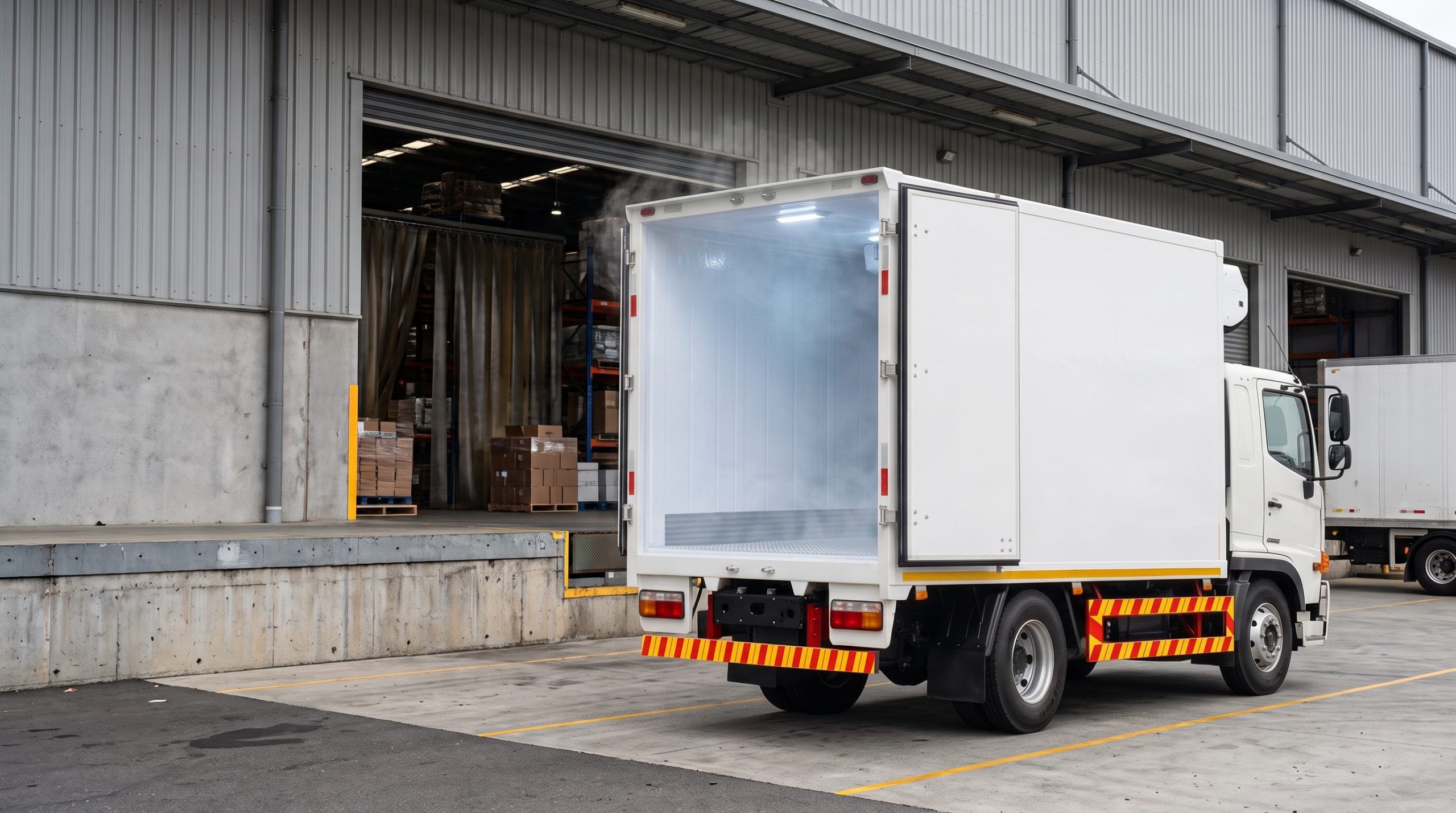
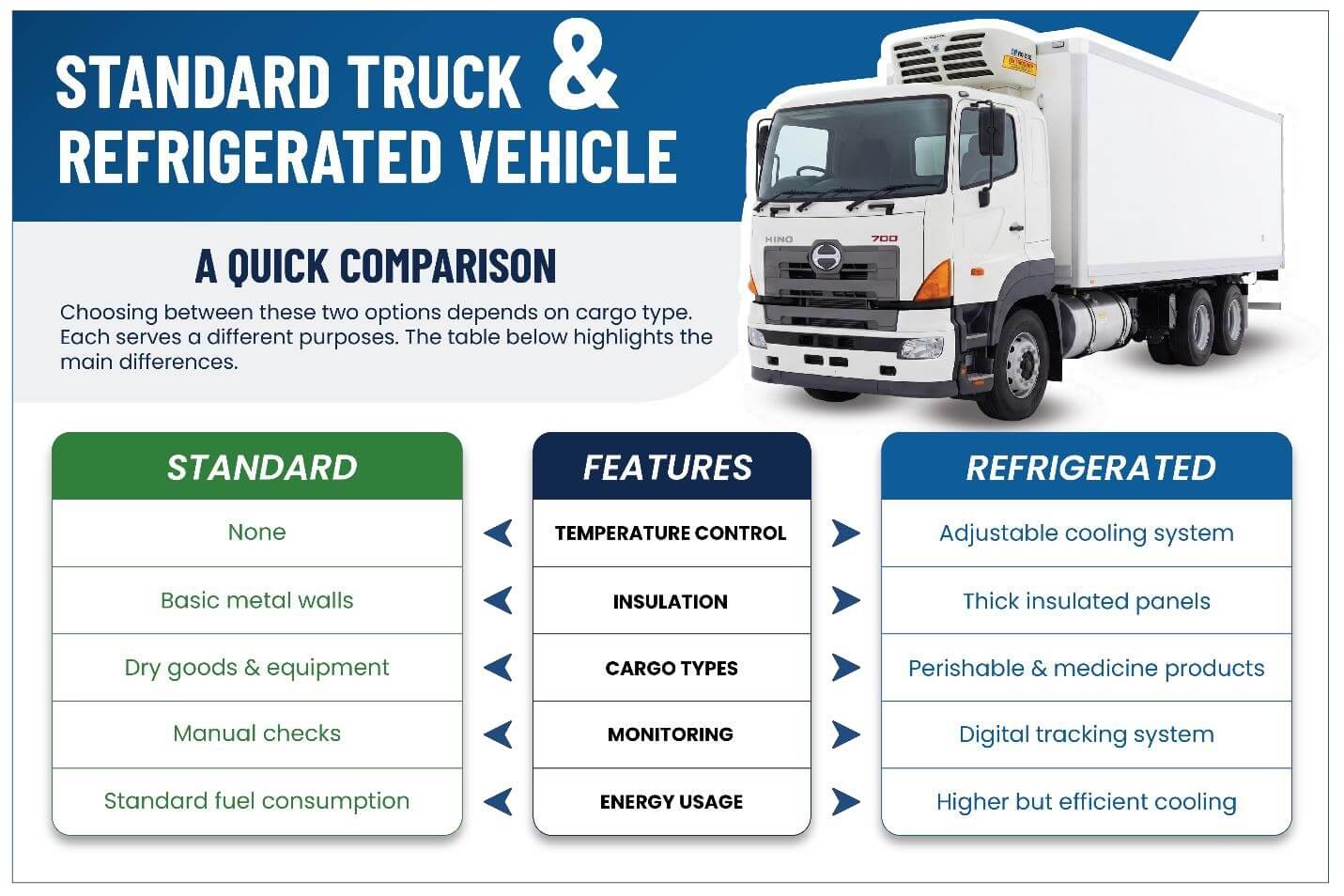
Every cold chain distribution starts with secure cold room storage to maintain perishable goods before and after transit. Refrigerated truck bodies must feature the appropriate insulation thickness, adequate cooling capacity, and sufficient airflow to guarantee product quality during delivery. Multi-lid door gaskets further ensure that cold air remains inside while preventing the intrusion of warm ambient air into the insulated container.

Monitoring Systems and Real-Time Alerts

The refrigeration system’s two-way communication feature enables real-time monitoring once the upper and lower temperature limits are configured. It also provides alarm codes and status information, such as door openings and system on/off conditions. These real-time data points are transmitted to both the driver and the control center, allowing immediate action to be taken whenever an abnormality is detected.

Warehousing and Handover Efficiency

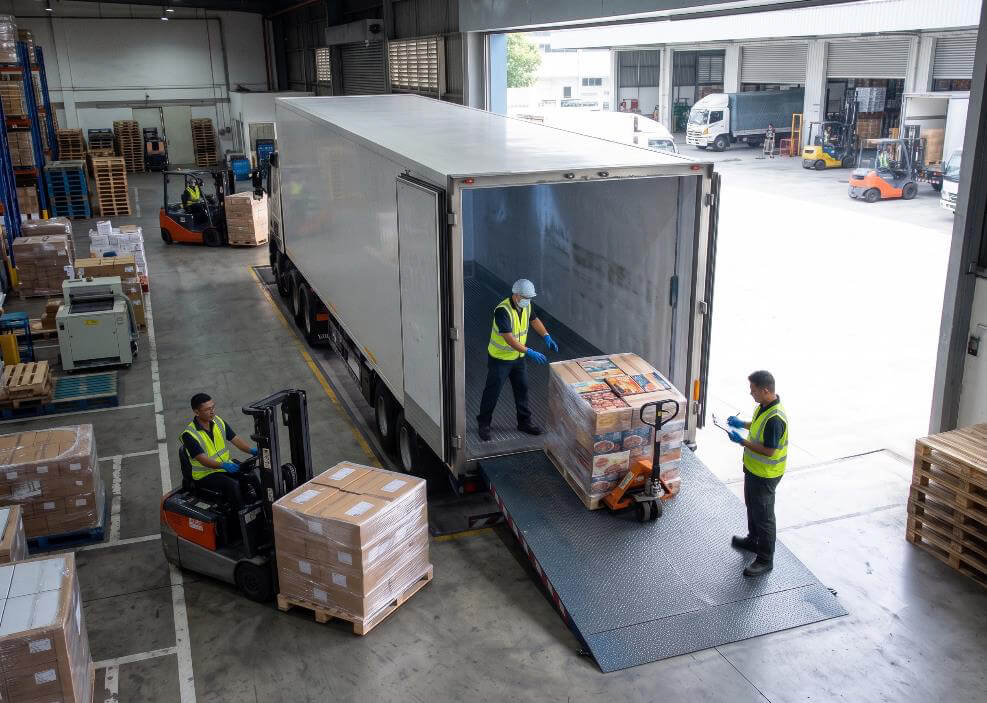
Cold chain warehouses rely on cold rooms, dock shelters, and efficient handover systems to maintain product integrity. Each item must be transferred seamlessly from one temperature-controlled zone to another without exposure to ambient heat. To ensure product safety and quality, every handoff must be carried out swiftly and with minimal temperature fluctuation.

Packaging Strategies for Cold Chain Logistics

Protective Packaging Materials

Packages moving through the cold chain require durable and well-designed thermal packaging. Foam boxes, thermal covers, dry ice, and cooling gels help maintain the required internal temperature, while the protective layers reduce rapid air exchange. Together, these materials ensure the product remains cold and stable throughout the journey.

Matching Packaging to Product Needs

Each product requires a specific level of temperature control. Some vaccines must remain frozen at ultra-low temperatures, while others only require mild cooling. Using the correct type of packaging helps prevent leaks, block external heat, and maintain structural integrity, ensuring the product stays safe and effective throughout the cold chain.

Design That Enhances Load Stability

Good packaging also minimizes movement and breakage during transport. Secure boxes and stable packaging structures reduce the risk of damage and help maintain an even load distribution. This not only protects the products but also allows trucks to carry more efficiently, contributing to better fuel usage.

Cold Chain Transportation in Land and Marine Operations

Road-Based Cold Chain Vehicles

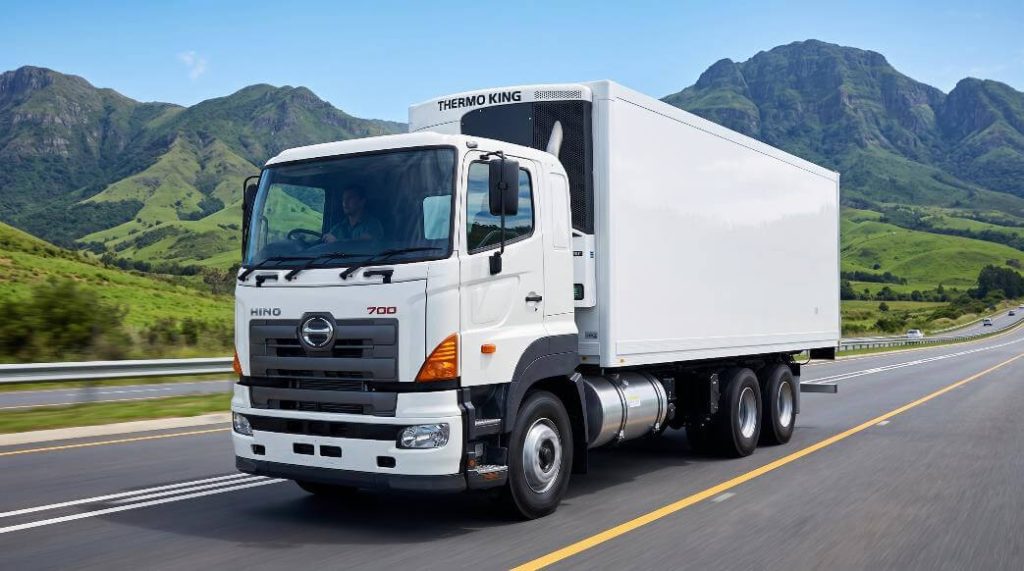
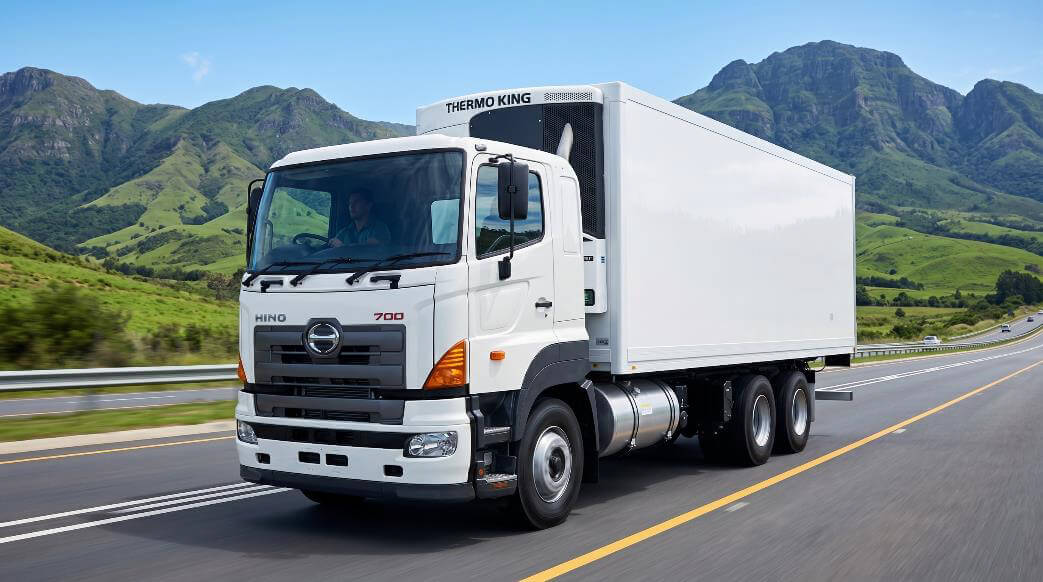
Refrigerated trucks transport fresh and frozen goods across towns and countries. These vehicles range from small vans to large trailers and are built with thick insulated walls, controlled airflow, and reliable climate systems. Together, these features ensure that products remain protected and at the correct temperature throughout the entire journey.

Refrigerated Containers for Sea Freight

Refrigerated trucks transport fresh and frozen goods across towns and countries. These vehicles range from small vans to large trailers and are built with thick insulated walls, controlled airflow, and reliable climate systems. Together, these features ensure that products remain protected and at the correct temperature throughout the entire journey.

Seamless Handover Between Transport Modes

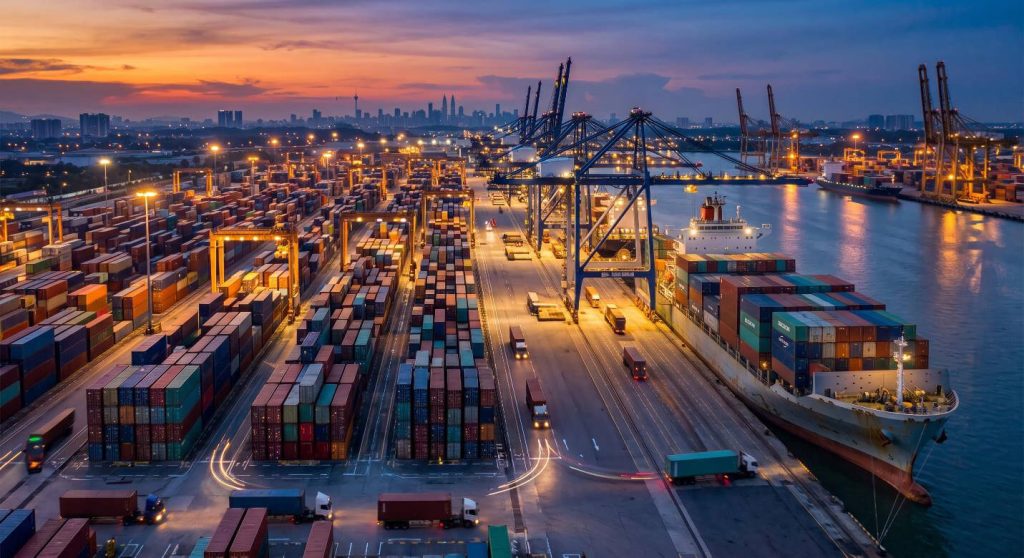
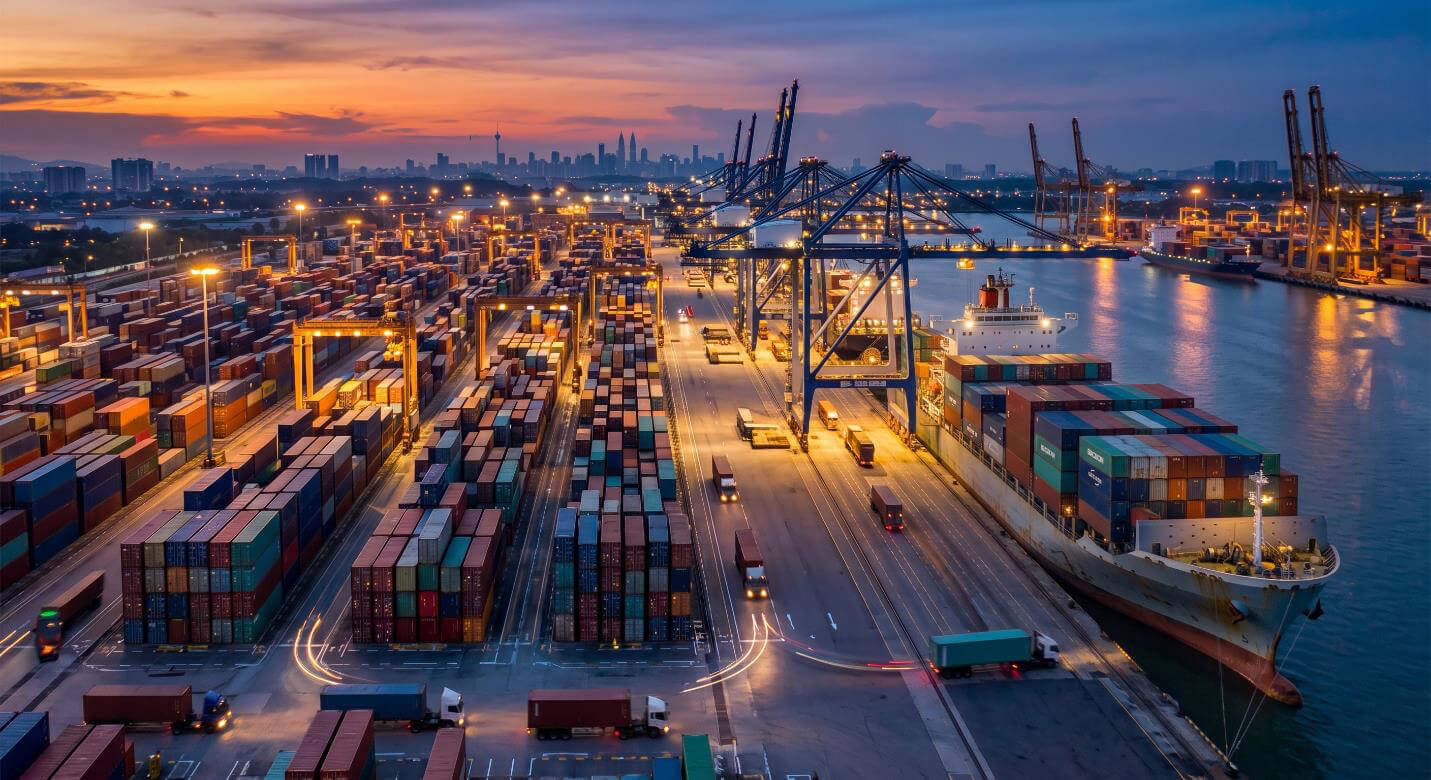
Once the cargo reaches the port, it is swiftly transferred from sea to land operations. At every handling point, the goods remain within controlled cold zones to preserve their required temperatures. This seamless transition ensures the cold chain remains intact across transport routes, port facilities, and warehouse environments – the unbroken Cold Chain Distribution

The Role of Technology in Cold Chain Optimisation

Smart Sensors That Track Every Move

Technology enables cold chain operators to detect issues early before they escalate. GPS and IoT systems monitor the truck’s location and temperature conditions in real time. These tools ensure that every shipment stays on the correct route and maintains the required cold chain standards.

Route Planning and Fleet Control

Cold chain teams leverage mapping and data analytics to plan the most efficient routes. They monitor weather conditions, address delays, and adjust paths to bypass traffic congestion. This approach reduces fuel consumption while ensuring that goods remain fresh throughout transit.

Predictive Tools That Boost Efficiency

Advanced predictive tools can anticipate potential issues before they occur. They assist in optimizing load planning, addressing equipment risks proactively, and streamlining delivery routes. This enables businesses to transport goods more efficiently, safely, and reliably.

Conclusion

Cold chain logistics goes beyond simple transportation—it protects goods, preserves their quality, and builds customer confidence. By following the right processes, companies minimize risks and deliver safer, higher-quality cargo. When cold chain operations run smoothly, every package, every container, and every product is safeguarded. From frozen foods to life-saving vaccines, cold chain transportation ensures items arrive in optimal condition.

How to Know When Your Transport Refrigeration Unit Has Reached the End of Its Lifespan

Transport-based refrigeration units are essential for maintaining the safety and freshness of perishable products. They protect food, medicine, and other temperature-sensitive goods throughout their journey. These units endure demanding conditions, operating continuously on highways, in direct sunlight, and for extended periods of time. Even the most robust equipment can, however, falter. After some time, units may begin to exhibit signs of deteriorating performance, overheating, and increased operating costs. Missing these early warning signs can lead to potential cargo loss, missed delivery deadlines, and costly emergency repairs.


You don’t have to wait for a complete breakdown. If your refrigeration unit shows trouble, take action quickly. This blog will discuss how to notice the signs, what to do about them, and how to keep your deliveries on track with smart care and transport refrigeration services.

1. Cooling Becomes Slow or Uneven

A reliable refrigeration unit should cool the trailer quickly and distribute cold air evenly. When cooling performance drops or warm spots begin to appear, it may indicate internal wear. Fans can weaken, pipes may develop leaks, and compressors may start to struggle.

When these issues arise, the unit can no longer protect your cargo effectively. If cleaning and repairs fail to restore the original cooling capacity, it may be a sign that the equipment is reaching the end of its service life. In such cases, replacement is often the most efficient and dependable solution to maintain consistent transport refrigeration performance.

2. Frequent Breakdowns Disrupt Your Workflow

If your unit frequently stalls or freezes up, it may no longer be able to maintain consistent performance. Repeated calls to the repair team and recurring component failures are clear warning signs.

A system that breaks down often drains time, money, and operational efficiency. When repairs become more frequent than deliveries, the unit is no longer reliable for daily demands. Replacing outdated equipment ensures smoother operations and helps maintain the high standards expected of your transport refrigeration services.

3. Unusual Noises or Vibrations Begin to Surface

If your trailer shakes, rattles, or hums loudly, don’t ignore it. Strange sounds come from worn-out motors, loose screws, or bent parts. These may grind or buzz before more significant problems arise.

When the unit starts to rumble more than it cools, check it fast. If parts continue to loosen or grow louder after each trip, the system may be wearing out. Replacing it stops noise and avoids future harm.

4. Energy Bills Increase Without Warning

Older units often gulp more power than they should. If you notice higher energy or fuel bills but your routes haven’t changed, the system may be working too hard to maintain a cold temperature.

Weak parts cause the machine to consume more energy. They slow down cooling and stress other components. A newer unit can reduce fuel consumption and help your business operate more efficiently, while maintaining a consistent temperature.

5. Parts Become Harder to Source

An outdated maintenance system compels technicians to search for rare parts, which results in costly delays. Since older models are no longer supported, such bottlenecks directly threaten your delivery schedules and operational reliability.

Even the smallest repairs can become major failures when the supply of parts finally runs dry. Instead of fixing old pieces, it may be time to upgrade to ensure that your transport refrigeration services are dependable and efficient.

6. The Unit Fails Regulatory Temperature Requirements

Products such as dairy and pharmaceuticals must adhere to strict temperature regulations. If a refrigeration unit fails to maintain these standards, shipments may be rejected or flagged. Should the unit be unable to hold a safe temperature even after servicing, it may no longer be reliable for transport.

Failure to comply with these regulations not only puts cargo at risk but can also damage customer trust. Replacing the unit ensures the protection of your shipments, maintains your reputation, and safeguards the confidence of your clients.

7. Dashboard Alarms and Sensor Errors Multiply

Modern refrigeration systems come equipped with dashboards that display alerts when a malfunction occurs. If those alarms ring often or sensors glitch repeatedly, it means something inside is weakening.

You can’t depend on a system that generates frequent alerts. A unit that requires constant attention often needs extensive repairs, or even a full replacement, to continue operating safely.

8. Age of the Unit Crosses Industry Norms

With proper maintenance, most units last eight to ten years. After this period, internal wear becomes evident even if the exterior appears fine, as seals begin to crack, motors start to drag, and electronic components fade.

If your system falls within that age range and also exhibits other signs, don’t wait. It may no longer meet today’s transport refrigeration needs. A new unit means less stress and smoother operation.

9. Transport Refrigeration Services: Four Key Benefits

Keeps perishable goods fresh: These units maintain constant temperatures, ensuring perishable goods such as seafood, poultry, vegetables, fruits, pharmaceuticals and medicines remain safe the high ambient heat during long drives.

Prevents product spoilage: They move cool air smoothly across all areas, guarding cargo from hot spots or freezing points.

Ensures timely deliveries: A working unit cools without failure, so your team avoids delays, rejections, or extra stops for repairs.

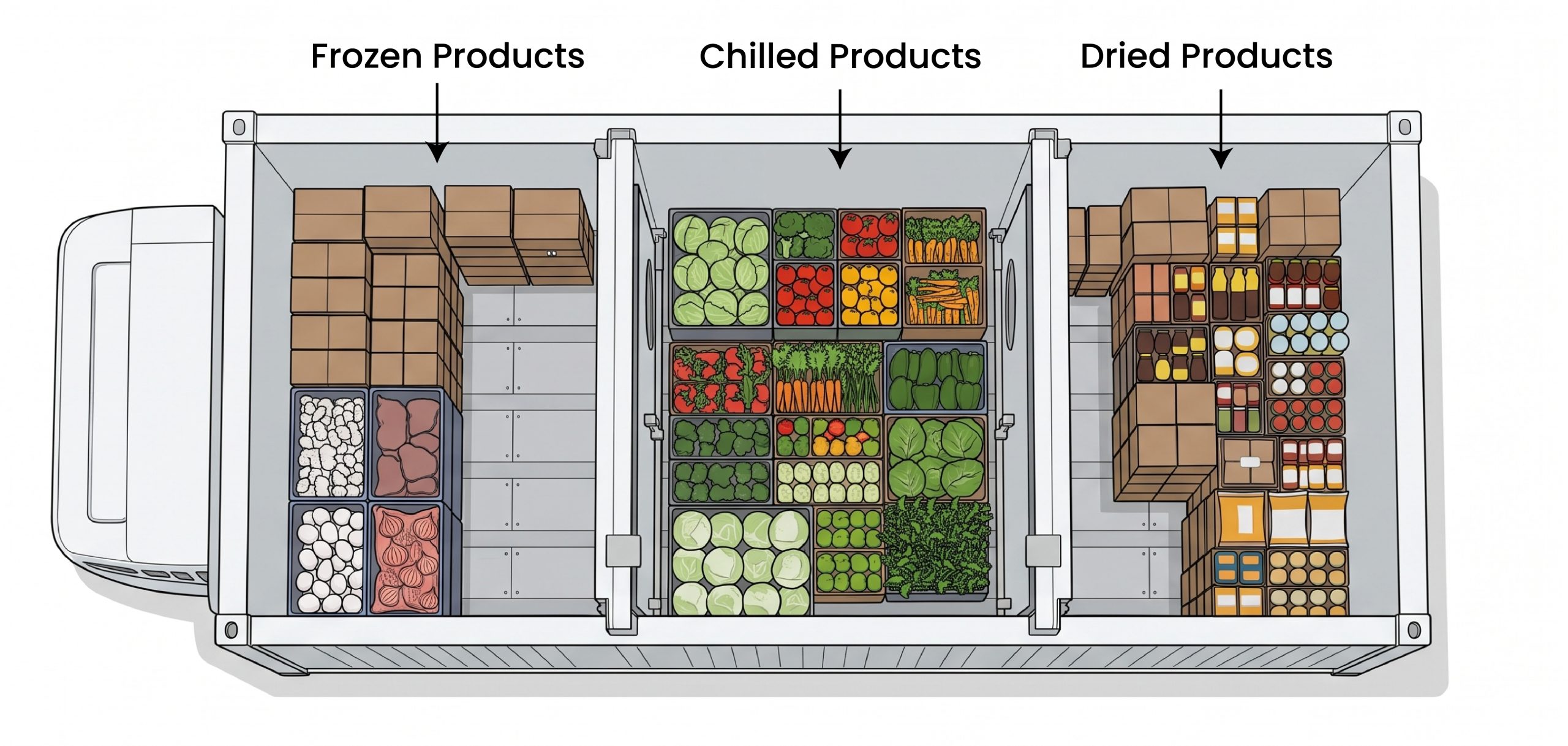
Offers versatility: These systems can be configured to handle different load sizes, trip durations, and compartmentalization, allowing freeze, chilled, and dry products to be transported simultaneously. This capability reduces the number of trips required, saves manpower, time, and costs, and provides exceptional flexibility for cold chain transportation operations.

10. Maintenance, Best Practices, and What’s Ahead

Understand temperature management:

Operators must be trained to adjust system settings according to each cargo type and understand how temperature impacts different products. Overall temperature performance is influenced by several key factors, including:

  • Insulation thickness
  • Type of insulation used
  • Refrigeration system cooling capacity
  • Airflow volume and distribution rate
  • Frequency and duration of door openings
  • Ambient temperature during transportation

Regular maintenance:

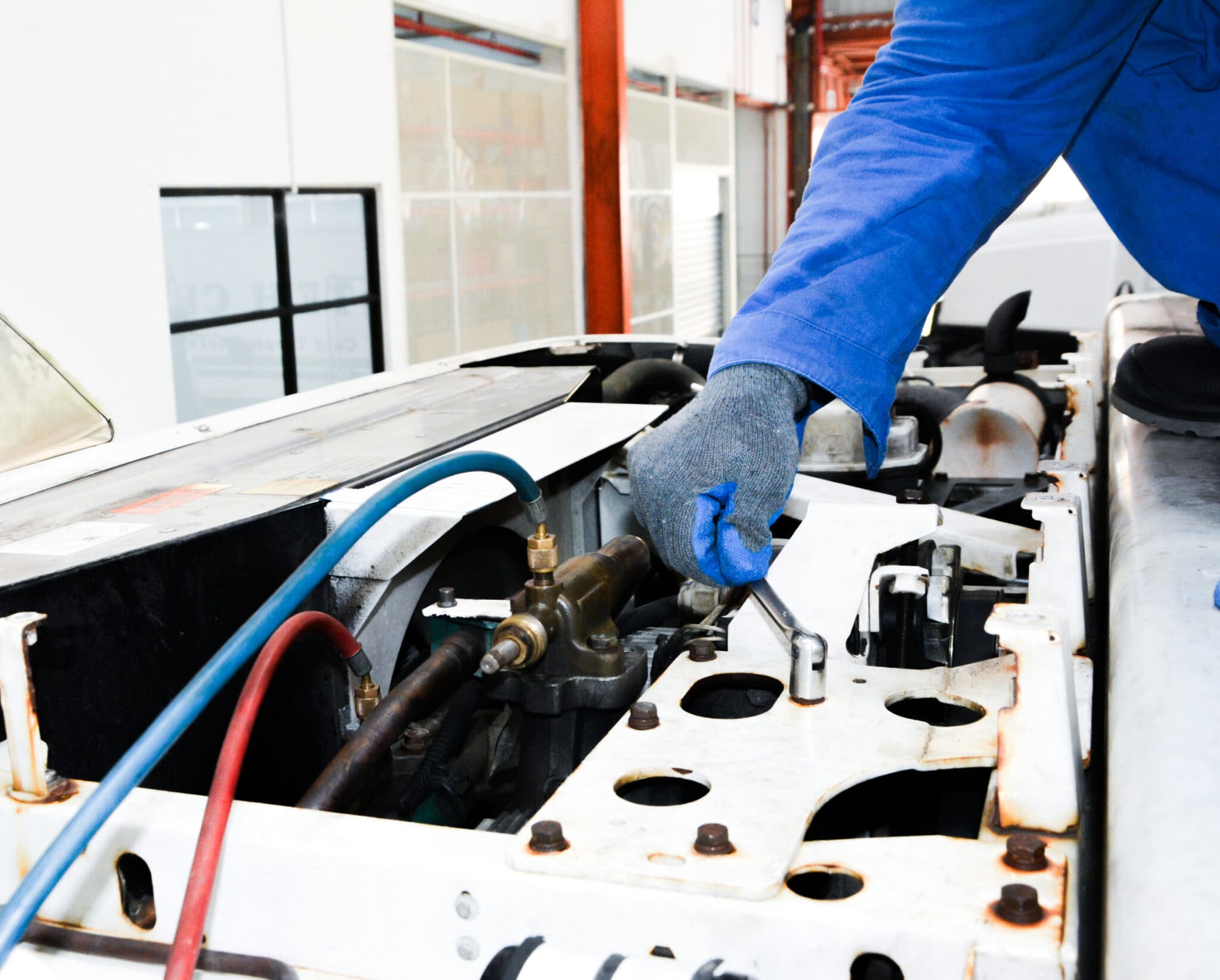
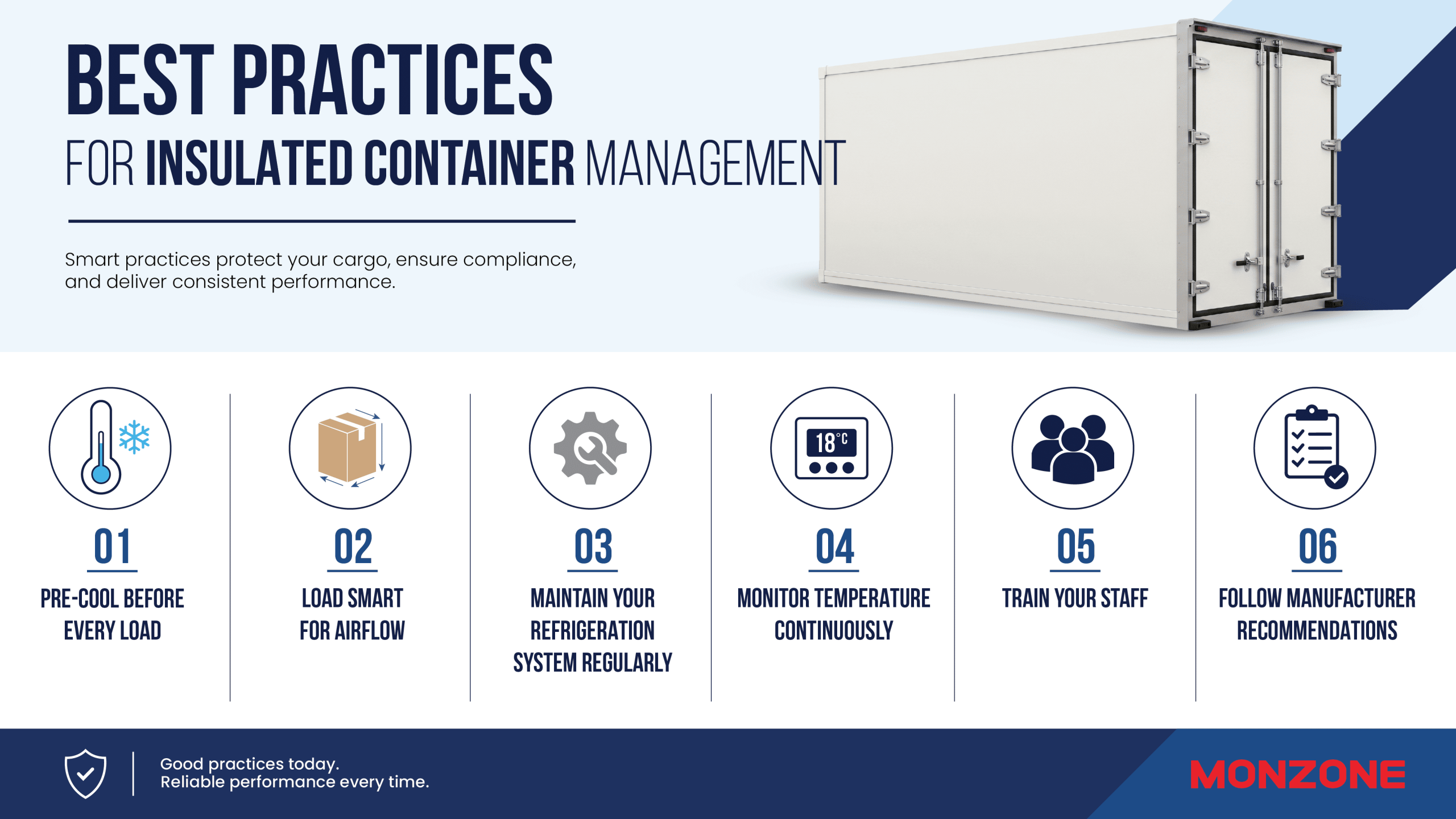
Regular service of the unit is essential to ensure optimal temperature performance and long-term reliability. This includes replacing the filter drier, flushing the system, refilling refrigerant, inspecting hoses and fans, tightening connections, and checking for leaks. Proper maintenance helps extend the unit’s service life and prevents unexpected failures.

Proper loading and airflow:

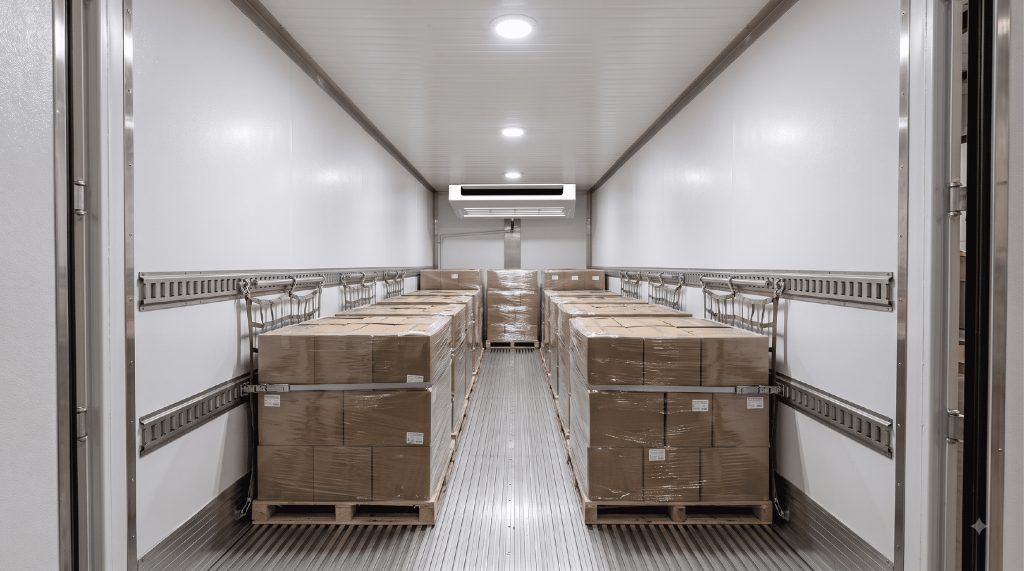
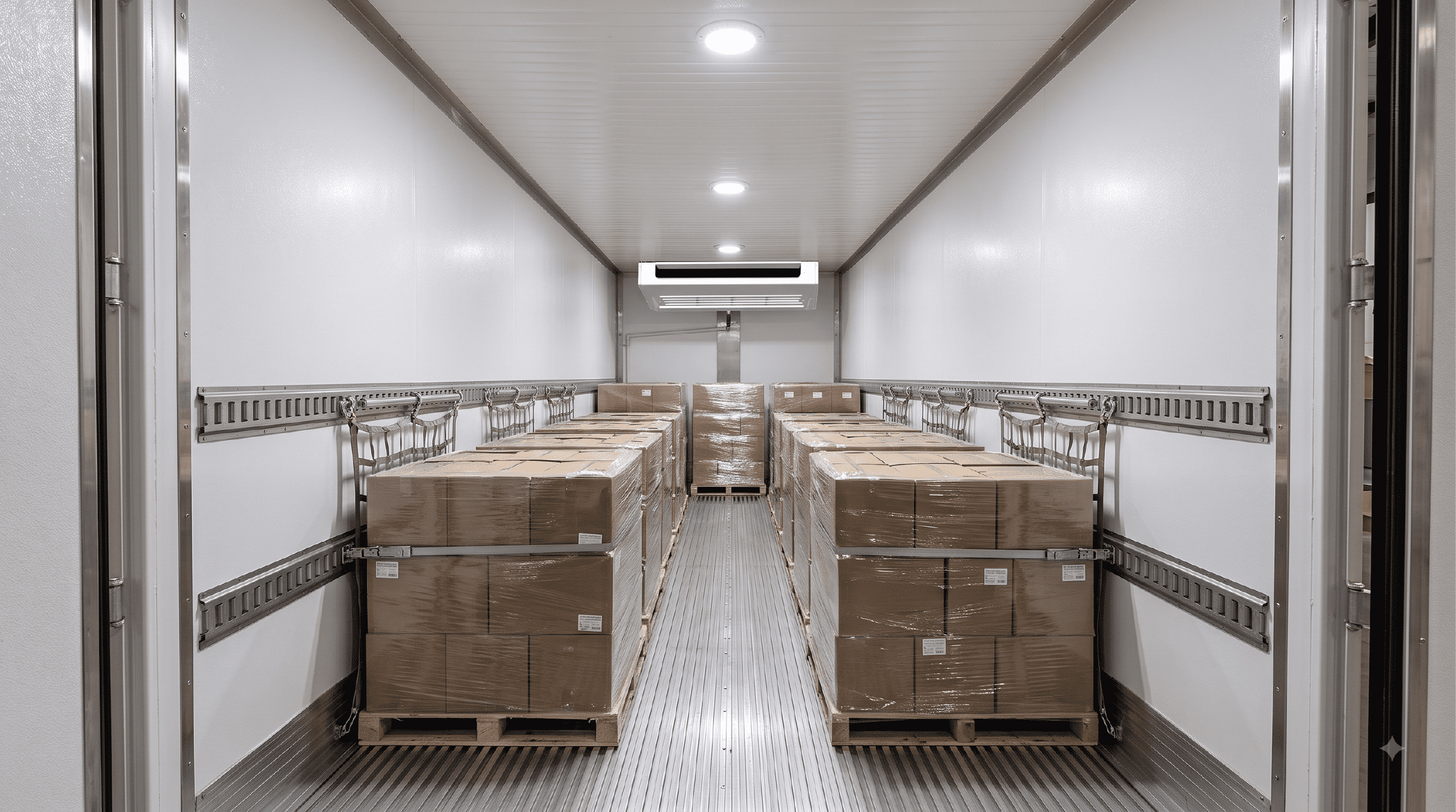
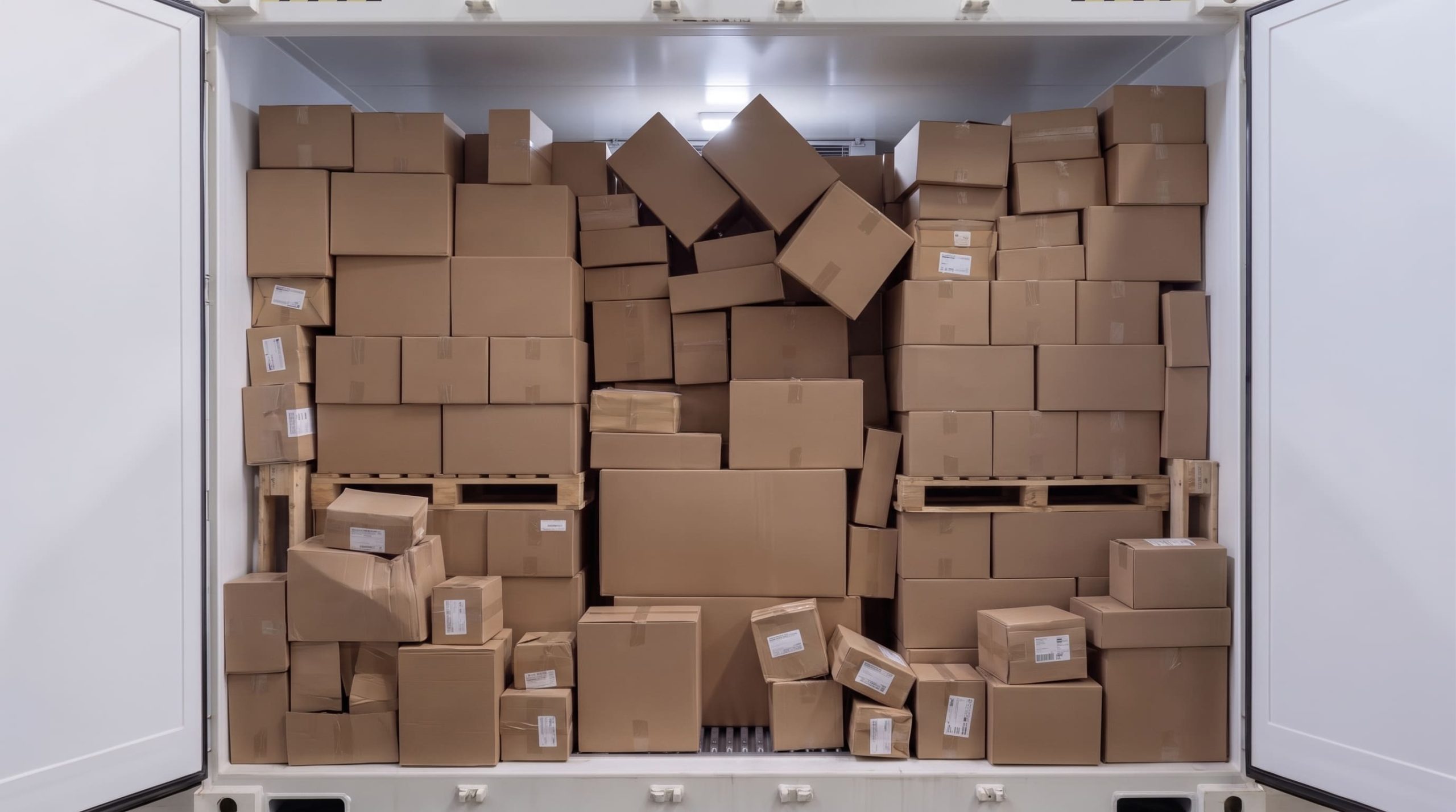
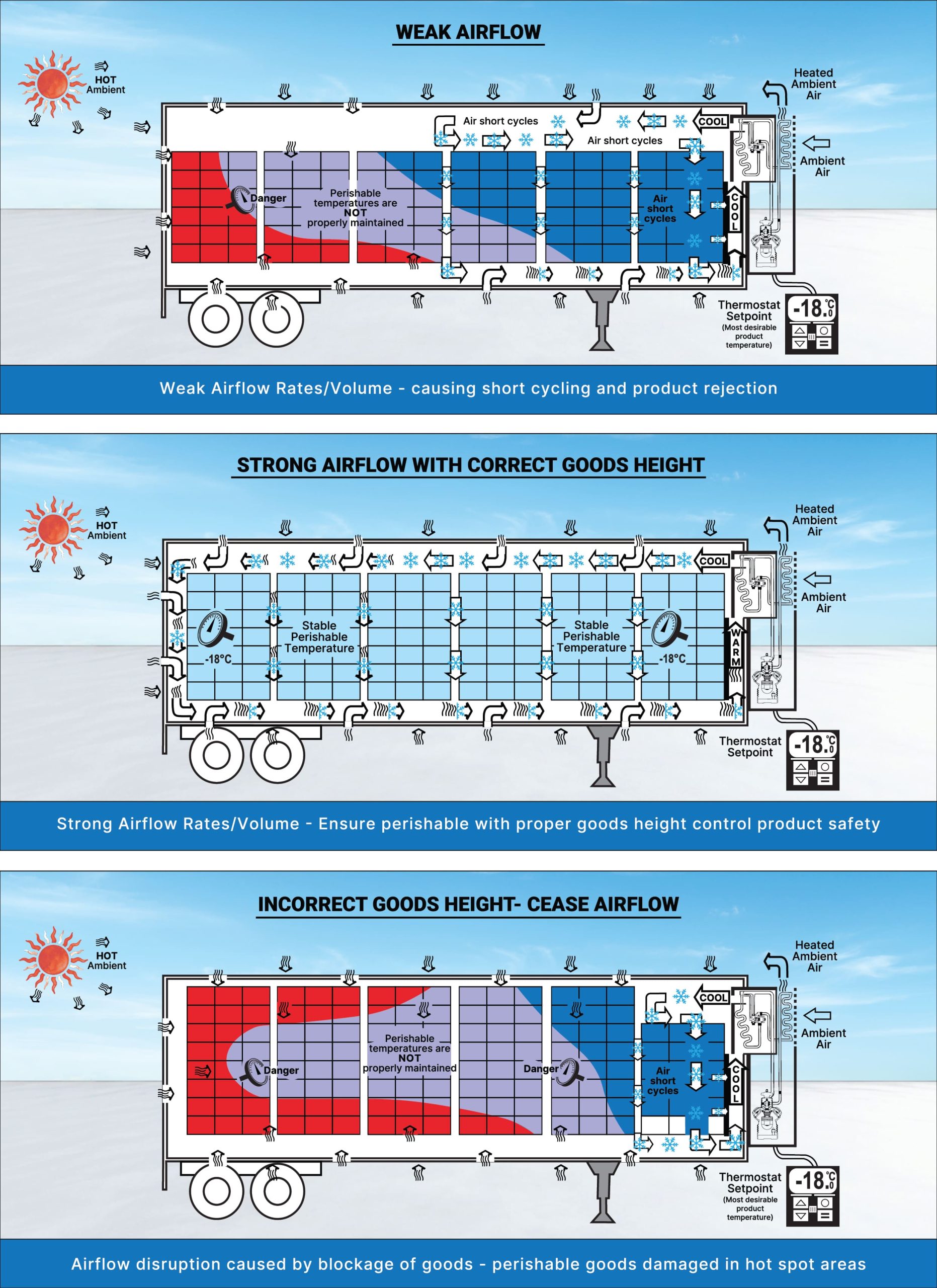
Arrange cargo with sufficient spacing to allow proper airflow. Ensure that the evaporator’s suction area and cold air discharge outlets remain unobstructed. Blocking these vents can lead to uneven cooling, increased strain on the system, and the formation of hot spots—particularly near the rear doors, where airflow is already reduced.

Monitoring and data logging:

Temperature sensors can be installed inside the refrigerated body to capture real-time temperature readings, providing continuous 24-hour monitoring over weeks or even months. This enables operators to detect abnormalities early and respond promptly, reducing the risk of product rejection and ensuring strict compliance with temperature standards.

Driver training:

Train drivers identify error codes on the refrigeration system, adjust or reset the controls when necessary, and report any issues promptly. This ensures proper load protection and helps prevent equipment damage.

Innovations and Trends Shaping the Industry

Sustainable refrigeration:

Newer units such as the E-Series that uses more Electrical energy meet cleaner environments, sustainability, lower energy consumption with zero emission.

Smart technology:

Digital tools enable remote monitoring, real-time data updates, and automated alerts that help detect issues before they become serious. Advanced features such as CargoWatch, ServiceWatch, OptiSet, two-way communication, Bluetooth control, and API compatibility are among the standard capabilities integrated into the SLXi-400 trailer refrigeration system.

Improved fuel efficiency:

The Thermo King self-powered refrigeration system is designed with intelligent controls that automatically shift to low-speed operation as the set temperature is approached. This reduces fuel consumption, minimizes wear on components, and maintains stable cooling performance—delivering cost savings over long-distance operations. Additionally, the system’s Cycle Sentry feature shuts off the engine once the desired temperature is achieved, further conserving fuel while ensuring consistent temperature protection.

Hybrid refrigeration:

Hybrid refrigeration refers to a system that integrates multiple power sources for optimal performance. Thermo King self-powered or independent units typically operate using a compact diesel engine while the vehicle is in motion, and they can also connect to electrical shore power when stationary. Similarly, EV refrigeration systems can run on the vehicle’s battery power during transit and switch to an external electrical supply from a building when parked, ensuring continuous temperature control and energy efficiency.

Conclusion

Transport refrigeration systems do more than keep goods cold—they safeguard your business against delays, spoilage, and financial loss. However, no system lasts indefinitely. Over time, components wear out, energy consumption rises, and cool efficiency declines, reducing the unit’s ability to maintain optimal temperatures. Ignoring these warning signs puts both cargo and budgets at risk.

By monitoring your unit regularly—observing cooling performance, fuel consumption, and repair frequency—you can identify issues early. Acting proactively with expert transport refrigeration services helps protect your cargo, minimize costs, and ensure operational reliability. Upgrading an aging unit is not just a wise investment; it keeps your cold chain operations smooth, safe, and ready for every journey ahead.

What Are the Benefits of Using a Refrigerated Container for Land Transport and Shipping?

benefits-of-refrigerated-container-shipping-1

benefits-of-refrigerated-container-shipping-1

Moving goods that need to stay cold during transportation can be a challenge. Items like fresh and frozen food, vaccines, vegetables and flowers, milk and juice, bakery and dough or medical and pharmaceutical products that need to stay at the right and constant temperature. Without the suitable refrigeration system, rejection will be high, and the perishable goods will spoil before reaching their destination.

That’s where refrigerated containers come in, supporting both the land and sea cold chain distributions. These insulated containers help to keep the products fresh and safe in an unbroken cold chain distribution during long transit and prolong cross border trips. Whether by road, sea or rail, they maintain the right conditions with Thermo King awesome features such as the CargoWatch™, Wintrac™, OptiSet™, Service Watch™ and 2-way communication capability. This blog will explain what a refrigerated container is, how it works, and why it’s useful for many businesses.

What Is a Refrigerated Container

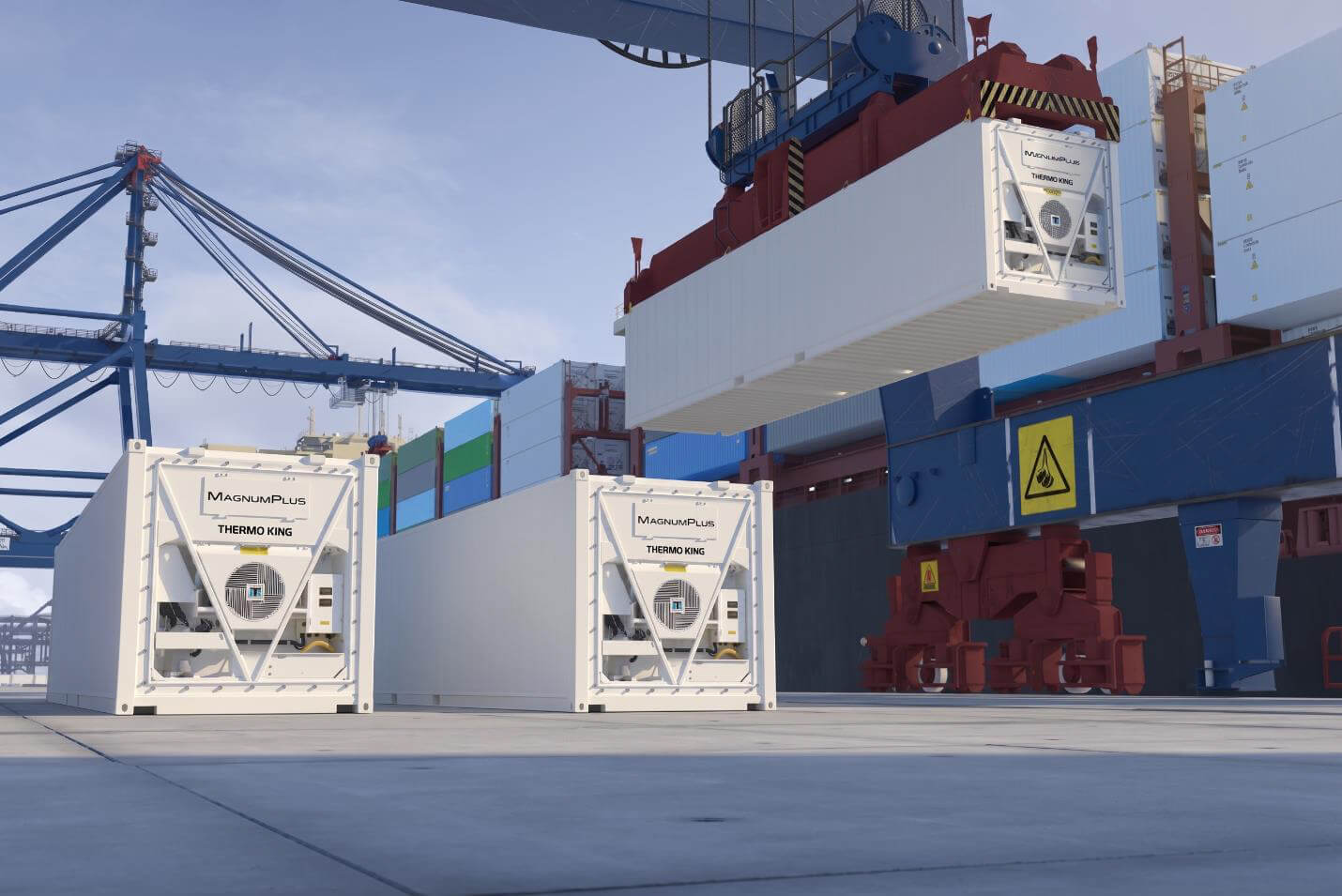
A refrigerated container is a specially insulated unit designed to support the cold chain in land transportation, and the same principle applies to ISO reefer containers in standard 20ft and 40ft sizes used in marine transport. Both are engineered to preserve goods at a controlled temperature, featuring robust insulation combined with advanced refrigeration systems.

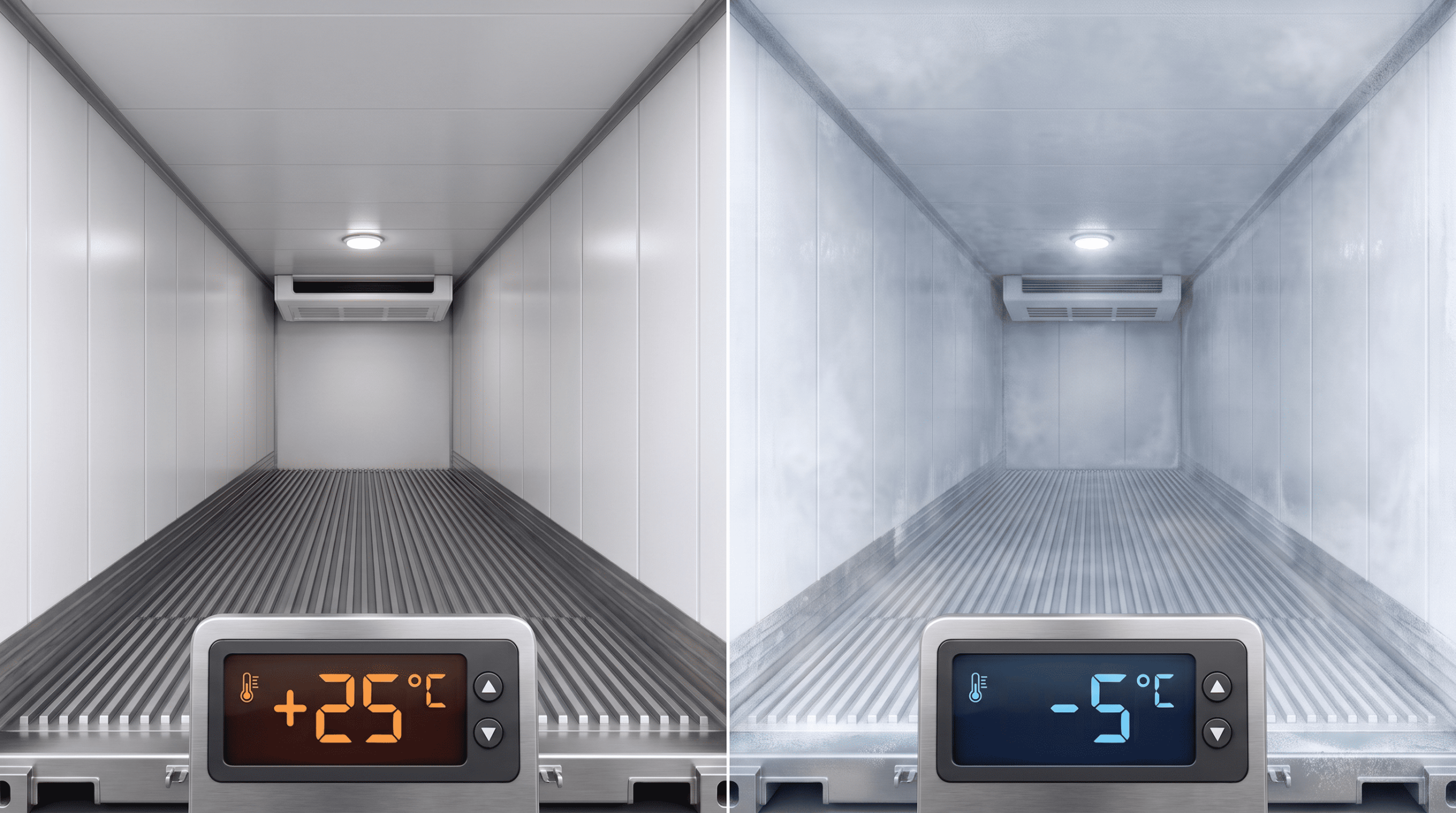
Typically, land-based refrigerated containers maintain temperatures ranging from –25°C to +30°C, while marine reefer containers can achieve a broader range of –40°C to +30°C. These units play a vital role in distributing perishable goods across borders worldwide. They are commonly seen in ports, on vessels, at distribution centers, cool ports, supermarkets, and even at food exhibitions and events.

For land transport, refrigerated containers may be powered by vehicle-driven systems or independent power units, while marine reefers rely on shore power or shipboard electrical systems. When required, a backup generator set can also be attached under the trailer to ensure uninterrupted power supply during land transport.

Refrigerated containers equipped with Thermo King systems are designed to safeguard perishable goods by maintaining a consistent temperature throughout the journey, thereby reducing the risk of product deterioration or rejection. In doing so, they ensure an unbroken cold chain from origin to destination—covering every stage from farming, harvesting, slaughtering, packaging, and cold storage, through to distribution via land, air, and rail.

Why Are Refrigerated Containers Important?

The demand for high-value perishable foods, pharmaceuticals, medicines, and other temperature-sensitive goods continues to grow, driven by consumers’ desire for global products year-round. At the same time, stricter regulations governing food and drug safety have been introduced worldwide.

Refrigerated containers play a critical role in meeting these demands. They enable seamless global trade while ensuring that goods are transported safely, efficiently, and in optimal condition.

benefits-of-refrigerated-container-shipping-2

Benefits of Using Refrigerated Containers

1. Keeps Perishable Goods Fresh and Safe

This is the primary reason for using refrigerated and reefer containers. Perishable products such as fish, meat, fruit, and dairy must be kept at precise temperatures during transportation. Without consistent cooling, these goods can deteriorate rapidly, leading to product rejection and unnecessary waste.

Refrigerated and reefer containers not only maintain the required temperature but also regulate humidity and airflow. This controlled environment minimizes spoilage, reduces losses, and ensures that products arrive fresh—benefiting both sellers and buyers.

2. Cold Chain Shipping Support

Cold chain shipping refers to the complete process of transporting temperature-sensitive goods under controlled conditions. From the warehouse to the end customer, products are kept within the required temperature range to maintain an unbroken cold chain.

Reefer and refrigerated containers are essential to this process. They ensure consistent temperature control, even during extended journeys—an especially critical factor for medicines, vaccines, and other healthcare products.

3. Reaches Global Markets

Refrigerated containers enable businesses to transport goods to almost any part of the world. For example, mangoes can be shipped from India to the UK, or cheese from France to Japan.

This capability benefits producers on both local and international scales by opening access to new markets for their perishable products. Local farmers can now distribute fresh produce globally, helping them expand their business while offering consumers a wider variety of choices.

4. Versatile Storage for Different Goods

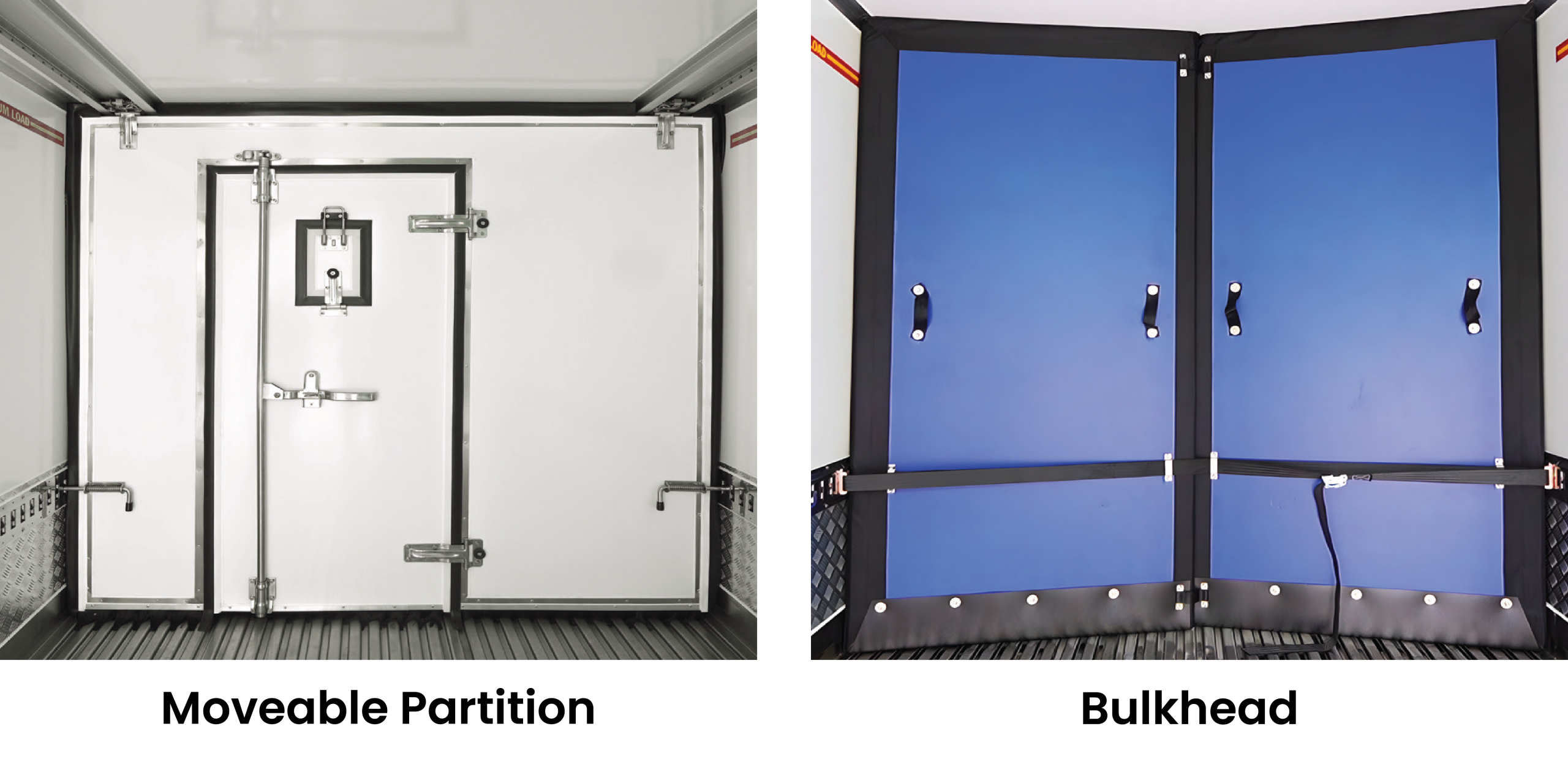
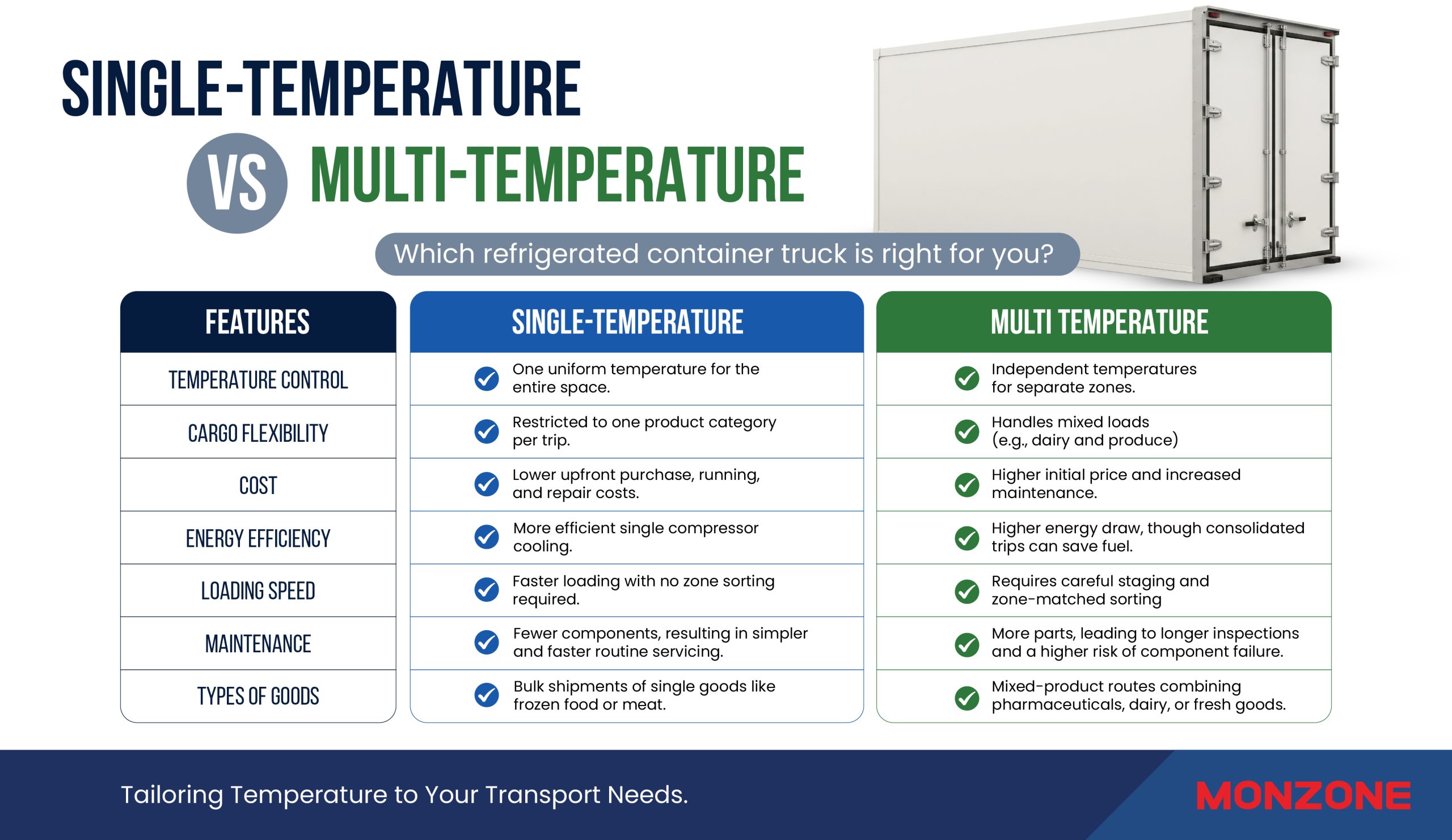
One temperature-controlled container can handle frozen and chilled items at the same time. (Multi-temperature zones) The container is split into zones, each set to a different temperature for shipping mixed loads, like frozen meat and fresh veg. It saves space, time, and money.

5. Mobile Cold Rooms for Events or Remote Sites

Reefer containers are not only essential for cold chain transport but can also be deployed as stationary on-site cold storage units.

They are particularly useful for food exhibitions and events, outdoor expos, promotional activities, peak-period demand for temporary cold storage, and remote job sites. Unlike traditional buildings, no permanent infrastructure is required—the container itself provides a ready-made solution. In addition, reefer containers offer greater reliability and safety compared to using multiple small fridges or coolers.

Learn more about Reefer Container

6. More Than Just Perishable Food storage

Refrigerated containers are not limited to storing perishable foods. They are also widely used for medical and pharmaceutical products, chemicals, sensitive aerospace components, delicate electronics, and even camera equipment requiring temperature-controlled storage.

Many of these items can be damaged or rendered unusable if exposed to heat or humidity. The stable, controlled environment inside a reefer or insulated container ensures their protection. For hospitals, this can be critical, as it allows medicines to be stored safely and readily available on-site.

7. Reduces Costs in the Long Run

Although reefer containers may incur higher operating costs, they significantly reduce the risk of product rejection. Spoiled or deteriorated goods are costly and replacing them with a fresh shipment can be even more expensive.

By ensuring products are kept refrigerated and protected from the outset, businesses can minimize losses and avoid the need for urgent, high-cost air transport.

8. Better Cooling Management Than Before

Modern refrigerated containers are designed to be highly efficient, incorporating advanced cooling systems and improved insulation. This not only lowers fuel consumption but also helps reduce carbon emissions.

Most reefers and insulated containers can maintain the desired temperature even when the evaporator fans cycle off after reaching the set point. This ability to retain cold air makes them effective for both long-haul transportation and short-term storage.

9. Monitored and Easy to Track

Many modern containers are equipped with advanced sensors that monitor temperature, humidity, and even physical shocks. If any irregularities occur, the system immediately alerts the operations team.

Current monitoring capabilities include real-time tracking of cargo temperature, GPS location, door openings, system status (on/off), and whether the vehicle is stationary or in motion.

These features not only help prevent product rejection and damage but also provide operators with peace of mind. In addition, they support compliance with stringent regulations in the food and healthcare sectors.

benefits-of-refrigerated-container-shipping-3

Who Uses Refrigerated Containers the Most?

Food and Beverage Exporters

They use reefers to send fresh goods across long distances. This includes Poultry, Seafood, Vegetable and fruits, dairy products, ice cream and ice, and processed food.

Pharmaceutical Companies

Pharmaceutical products and medicines often require strict temperature-controlled storage. Vaccines must be refrigerated to maintain their effectiveness. Proper refrigeration protects these items from heat exposure, ensuring their safety and efficacy.

Event Planners

Caterers and event teams use them as mobile fridges. They’re useful at festivals, markets, and outdoor shows.

Chemical and Tech Firms

Some products break down in heat. Chemicals and electronics are often moved in temperature-controlled containers to stay safe.

Key Challenges to Consider

Using a reefer container has many upsides, but there are some points to consider:

  • Higher Running Costs
    Electricity or fuel is needed to power the cooling system. This adds to transport costs.
  • Limited Supply at Times
    During peak seasons, it can be hard to find available containers. Planning ahead helps avoid delays.
  • Training Required
    Staff must load and monitor the container properly. Wrong handling can still lead to damage.
  • Carbon Output
    Older models use more energy. Newer reefers are greener, but energy use is still higher than dry containers.

For many perishable products, refrigerated containers remain the only viable solution.

Conclusion

Refrigerated containers are essential to modern cold chain transportation and global shipping, enabling the safe distribution of perishable goods that are sensitive to heat and moisture. From fresh and frozen seafood, poultry, vegetables, and fruits, to fine wine, beverages, milk, vaccines, and pharmaceutical products, reefers make reliable transport possible.

They protect goods, reduce waste and product rejection, and open access to global markets. As cold chain demands continue to grow, the need for safe and dependable solutions becomes increasingly critical. Whether you are a food exporter, healthcare supplier, cold chain logistics provider, distribution center, or event organizer, a reefer container provides the reliability needed to deliver quality with confidence.

Monzone Group is proud to support this evolution in global logistics by offering high-quality refrigerated container solutions tailored to your storage and transport requirements. With proven expertise and a strong market presence, Monzone helps businesses move forward with confidence.

What Is a Reefer Container? How Does It Work for Cold Storage?

reefer-container-cold-storage-banner

reefer-container-cold-storage-banner

Shipping fresh and frozen food, milk and wine, Seafood and processed food, vegetables and flowers, or Pharmaceutical and medical products across the world needs more than just a box container. It needs an insulated container that can keep products cold, fresh, and safe. That’s where a reefer container or insulated container comes in.

These containers are used daily across the world. They transport perishable goods at the right temperature setting in an unbroken cold chain distribution. Whether it’s meat from Argentina, bananas from Ecuador, or vaccines from Europe, reefers are vital.

In this guide, we’ll break down what a reefer container is, how it works, and why it’s important for cold storage.

What Exactly Is a Reefer Container?

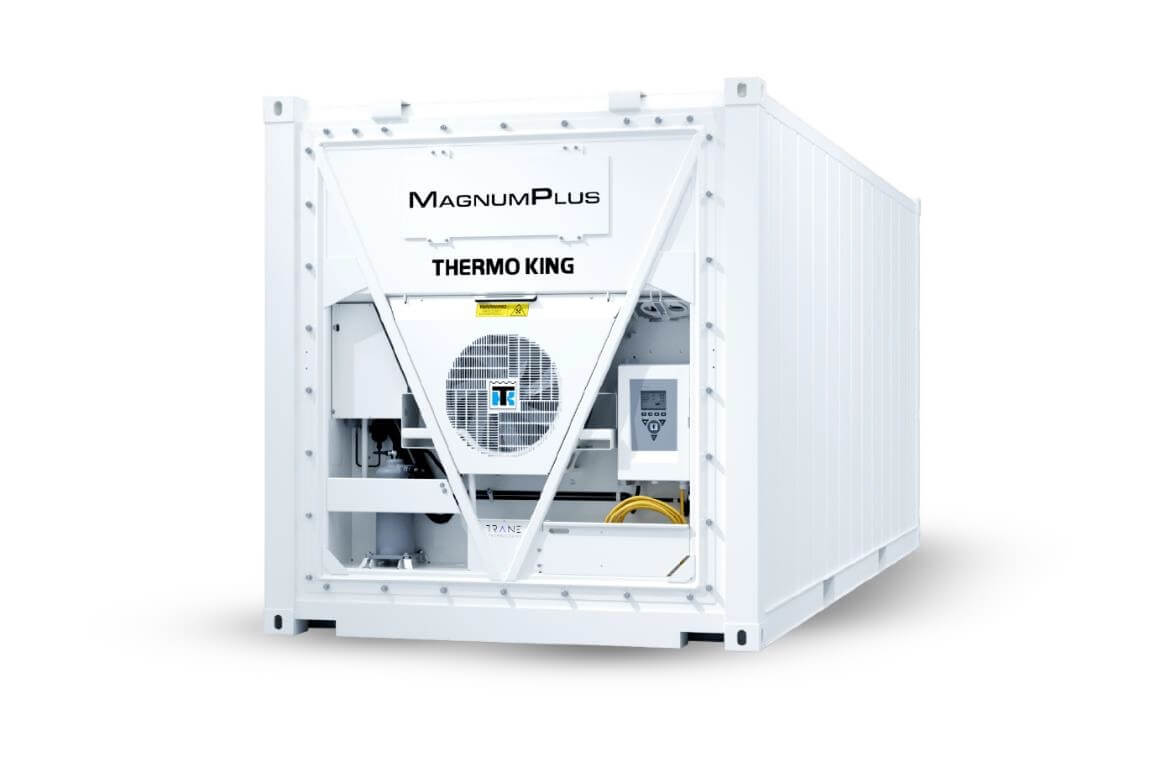
A reefer container is a large shipping insulated container with a built-in cooling system. It is also known as “refrigerated container” for sea freight. These insulated containers are made to carry goods that need temperature control to stay cold or frozen during transportation. You’ll see them in ports, on ships, trains, and lorries globally.

Reefers come in standard sizes. Most are 20-foot or 40-foot long. High cube reefers are also common. These are a bit taller and can carry more goods. The outlooks like a regular steel container, but inside, it’s insulated and fitted with a refrigeration cooling system.

These containers don’t lower the temperature of goods from warm to cold. Instead, they keep ready-chilled items at a constant temperature. This means products must be cooled before loading, making them a dependable cold storage container.

Reefer Container Wide Variety of Applications.

Reefer containers are widely used in many industries. This is because reefer container is versatile in Sea, train and land transport. It can be transported by trailer with built-in genset and plug in supply in rail transportation as well. Their main job is to distribute perishable goods keeping them in an unbroken cold chain distribution. These include:

  • Fresh fruit and vegetables
  • Dairy like cheese, milk, and yoghurt
  • Poultry and Seafood
  • Frozen products and ice cream
  • Flowers and processed food
  • Medical and Pharmaceutical products such as vaccines, drugs and medical accessories
  • Chemicals and other heat-sensitive components in the aerospace industry.

Besides shipping, reefers are also used for temporary temperature-controlled container setups. Businesses often rent them for events, festivals, construction sites, or emergency storage.

reefer-container-cold-storage-1

How Does a Reefer Container Work?

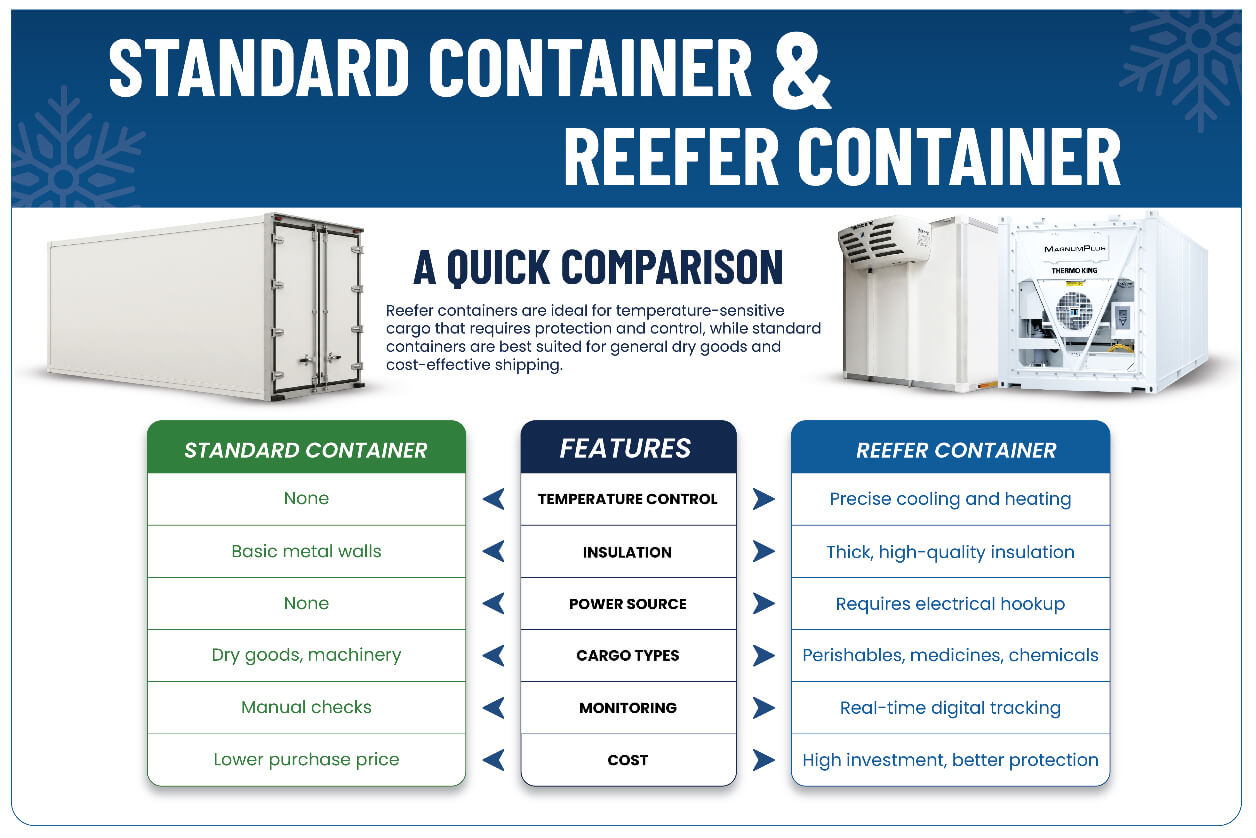
Let us examine the key features that distinguish a reefer container from a standard container.

Built-In Cooling Refrigeration System

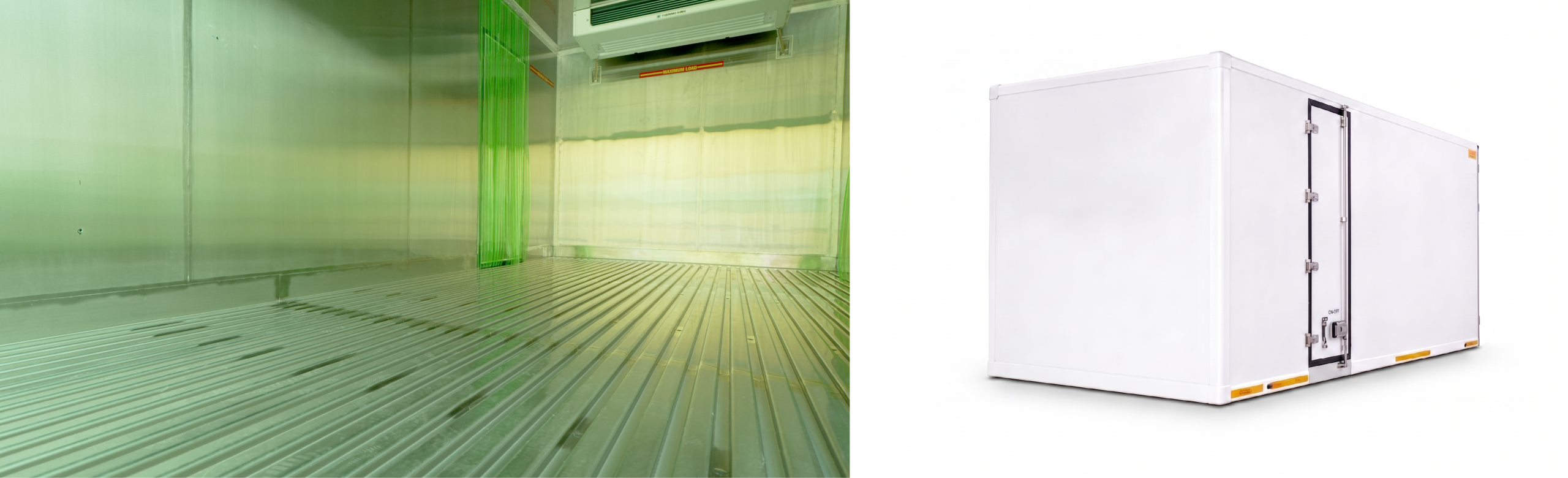
A reefer container is equipped with a refrigeration unit mounted at one end, designed to maintain the internal temperature at the desired setting. The system distributes cold air through a T-floor, which features narrow gaps that allow airflow to circulate evenly from the bottom, ensuring uniform cooling of the cargo.

The refrigeration system is typically powered by shore electricity, operating on 3-phase, 415V, 50Hz supply. When the container is in transit, a generator set (genset) mounted on the trailer provides the necessary power to keep the unit running.

Temperature Control

Standard reefers operational temperatures range between +25°C and -40°C. That covers a wide range of products from chill to frozen goods. Thermo King also have special reefer containers, called the Super freezers, where temperature performance can reach as low as -70°C. These are used for a wide range of products such as perishable foods, poultry, seafood, medical and pharmaceutical products, fruits and vegetables, bakery and dough, and so on.

The Thermo King Temperature Controller provides advanced temperature monitoring system and error code feedback for easy maintenance and usage. The pretrip function provides quick checking before usage and regular service support. This ensures quality control on temperature performance for reliability and durability.

Ventilation and Airflow

Airflow inside the container must be smooth and consistent to maintain a uniform temperature throughout the cargo. For fresh produce such as fruits and vegetables, proper circulation also helps remove gases like ethylene, which can accelerate ripening.

To ensure effective cooling, the container should be packed in a way that allows air to circulate freely. Cargo must not be packed too tightly, but large empty gaps should also be avoided. Correct loading practices help prevent hot spots in the center of the load, keeping all products evenly cooled, fresh, and in good condition.

Humidity Control

Some reefers come with humidity settings. This feature is important for products like flowers, chocolate, or seeds. Too much moisture can cause mould or damage. Too little can dry out delicate goods.

Standard humidity levels in a reefer range from 60% to 85%, though some units can go as low as 50%.

Read More about Cold Chain Logistics


Drains

To stop water from building up, reefers have drains in the floor. These drains let out any moisture that collects from condensation. They’re built to keep water and insects from getting in from the outside.

reefer-container-cold-storage-2

How Is a Reefer Container Powered?

Reefer units need a constant power supply. They don’t use fuel or batteries but run on electricity. There are three main ways to power a reefer:

  1. Port or Depot Power – At shipping terminals or warehouses, reefers are plugged into mains electricity using 3 phase, 415V 4 pins or 5 pins sockets.
  2. Ship Power – On cargo ships, reefers are connected to onboard power sources.
  3. Gensets – On the road, reefers rely on generator sets. These are fuel-powered devices fixed either to the trailer or the container. There are two kinds:
    • Clip-on genset – Mounted on the front or side of the container
    • Underslung genset – Attached below the trailer, mostly used for lorry transport

These keep the reefer powered when no plug-in power is available.

Other Cooling Methods

Most reefers work by air cooling. But there are other options such as blast freezer, dry ice, cool packs, Eutectic Plates and so on.

Water Cooling

Some reefers use water to remove heat. This is done when the container is in a place where air can’t circulate well, like below the deck on a ship. Pipes carry heat away using water. This system is less common today because it costs more and needs extra parts.

Cryogenic Cooling

In special cases, reefers may use dry ice or liquid nitrogen to stay cold. These gases cool the container as they evaporate. It’s often used for short trips or in air freight. These containers don’t need electric power, so they’re flexible. But they only stay cold for a limited time.

Monitoring the Goods

Today’s reefers come with smart tracking systems. They have built-in sensors and microprocessors that record:

  • Supply and return air temperature
  • Defrost cycles
  • Set point changes
  • Power on/off times
  • GPS, Location and door sensor.

Some containers are equipped with cargo probes, which are placed directly inside the goods to measure the core temperature in real time.

The data from these probes can be accessed online through tracking tools, allowing companies to monitor both the container’s location and its operating condition. This visibility enables quick response if any issue arises, helping to protect the quality of the cargo.

What Is a Non-Operating Reefer (NOR)?

Sometimes reefers are used even when cooling isn’t needed. These are called non-operating reefers or NOR containers.

This happens when the container needs to return empty to its origin. Instead of sending it back without goods, it carries general cargo with the cooling turned off. It’s a good way to save costs and keep containers moving.

Can You Customize a Reefer Container?

Yes, reefers can be modified for many uses. Companies often ask for custom features like:

  • Extra doors or side access
  • Lights or racks inside
  • Insulated floors
  • Windows or vents
  • Painted exteriors or company branding
  • Temporary working office with window and air-conditioning

These custom reefers are useful for pop-up shops, mobile labs, event kitchens, or cold rooms on construction sites. You can also add alarms or remote monitoring tools for better control.

Some businesses even convert a container with freezer capability into a long-term storage unit on-site.

Final Thoughts

A reefer container is one of the most essential tools in the global cold chain distribution trade. It allows us to enjoy fresh strawberries in winter, deliver life-saving vaccines to hospitals, and transport seafood safely across oceans.

Built to be smart, durable, and reliable, reefer containers can be used on land, at sea, or even on-site for storage. Whether moving goods across continents or keeping them locally stored, they ensure perishable products remain safe, cool, fresh, and ready for use.

Monzone Group is a trusted name in supplying and customizing reefer containers. With 28 years of experience and a strong commitment to quality, Monzone supports businesses across industries to keep their cold chain operations running smoothly.

So the next time you see a shipping container with vents and a refrigeration unit (Thermo King system) at one end, you’ll know it’s a reefer—working quietly in the background to keep the world’s goods fresh.

How Does Container Refrigeration Keep Perishable Goods Fresh?

container-refrigeration-keep-goods-fresh-banner

container-refrigeration-keep-goods-fresh-banner

Have you ever opened a pack of strawberries from abroad and wondered how they still taste fresh? Or noticed fish at the supermarket from another continent that still looks like it was caught yesterday? The secret behind this is container refrigeration. It’s a quiet but powerful part of the shipping world that keeps perishable items fresh while they travel across cities, states, continents, and central distribution centers to countries and oceans.

In a world where food, medicine, and other temperature-sensitive items must move fast and stay safe, refrigerated containers (also known as reefer containers or shipping containers by sea, Refrigeration truck by land) play a big role. These high-tech durable insulated containers are vital in perishable goods, cold chain logistics, keeping products in perfect unbroken cold chain condition from farm, harvesting, packing, distribution centers, supermarket to end user.

What Is Insulated Container Refrigeration? (Land & Sea)

Insulated Container refrigeration is a cooling system built into a special type of shipping and land transport container. These insulated containers are used to carry goods that need temperature control to stay cold or freeze during transport. Whether on a ship, lorry, or train, these refrigerated containers make sure the temperature stays constant throughout the journey.

Each refrigerated container has thick insulation and a built-in cooling unit. It plugs into a power source on ships or at ports for shipping containers. When on the road, it runs on a generator. Inside the container, cool air flows around the goods to keep them fresh. These containers are key in the cold chain logistics, which is the process of keeping items at the right temperature from where they’re made to where they’re sold. This works the same for Cold Chain Logistics that handle land transport using Refrigerated truck Self-powered by diesel or direct/Vehicle-Drive Refrigeration system.

Both Reefer containers by sea and Refrigeration truck by land can be set to different temperatures depending on the cargo requirements. Some carry frozen meat at -18°C. Others hold fresh fruit at around 4°C. The ability to adjust the temperature makes them ideal for many industries. Thermo King refrigeration system also comes with remote real-time temperature monitoring system allowing the user to do basic setting and temperature control any time anywhere. This makes cold chain transportation more secure and safe, maintaining zero downtime for breakdown and risk management.

How Does a Refrigerated Container Work?

A refrigerated container works in a simple but smart way. Think of it as a big fridge on wheels. It’s designed to protect its cargo from heat, light, and humidity. Let’s look at how it does this.

Insulated Panel Walls

The inside of a reefer container has thick walls filled with insulation foam and sandwich by reinforced glass fiber board. This insulates the heat from the sun and truck engine keeping warm air out and cold air generated by the refrigeration system internally. It’s like wrapping your cargo with a thermal blanket keeping it fresh and hygienic for consumers.

Cooling or Refrigeration Unit

Each container has a cooling or refrigeration machine. This includes a compressor, condenser and evaporator fans, condenser, evaporator, and a temperature control panel. It produces cold air inside the insulated container at the set temperature. The air is cooled, it pushes straight toward the backdoor with strong airflow volume, through the bottom of the container. It flows around the goods and return to the evaporator on the top, forming a cycle.

Power Supply (Sea & Land)

While at sea, Reefer containers get power from the ship. At ports, they connect to electrical outlets. On lorries or trains, they run on diesel-powered generators. This ensures the cooling never stops forming an unbroken cold chain.

While at land, Cold Chain Logistics or direct customer users will use refrigeration trucks fleet to manage the land transport for refrigerated containers. The Power source can be by the refrigeration system itself, the self-powered unit using diesel, or using shore power 415V, 3 phrase, 50/60Hz plug in power supply.

Temperature Settings

Before loading, the operator sets the required temperature. This can be anything from -30°C to +30°C, depending on the cargo requirement. Temperature monitoring system with bult-in sensors track the temperature throughout the trip ensuring a smooth temperature performance. If something changes, alarm alerts will be sent to the control team in real-time operation.

Air Circulation with good Airflow Rate.

Good air circulation with stronger air flow volume is key for quick temperature pull down. It makes sure every part of the container stays at the right temperature. Evaporator Fans inside the refrigerated container pump cool air evenly across all the cargo, making it fresh and protected.

container-refrigeration-keep-goods-fresh-1

How Refrigerated Containers Keep Goods Fresh

Refrigerated containers are important for cold chain transportation because they protect goods from deteriorating, keeping them fresh and reduce rejection. The following are the characteristics of the refrigeration container.

1. Temperature Control

Most perishables are sensitive to temperature changes. Even a few degrees can make a big difference. For example:

  • Fresh apples stay crisp at around 0°C.
  • Bananas need about 13°C.
  • Ice cream must stay at -25°C.
  • Frozen seafood at -18°C.
  • Chilled poultry at 5°C to -5°C

The container keeps the right temperature from loading to unloading delivery. This prevents rejection and keeps the product in the ultimate condition for cold chain transportation.

2. Moisture Control

Too much or too little moisture can damage perishable goods. Lettuce may wilt, and meat may dry out. Specialized shipping containers may integrate active humidity control systems that let you adjust humidity levels. This keeps the high value perishable product looking and tasting right. The humidity control system is also commonly used in the pharmaceutical transport industry.

3. Ventilation

Some goods, like fruit and vegetables, release natural gases. These gases can cause other products to ripen or rot. Reefer containers have vents to release this gas and bring in fresh air.

4. Sealed Units

The container is fully sealed once packed. It protects the goods from dirt, pests, and outside weather. This adds an extra layer of safety, especially during long sea journeys.

5. Controlled Atmosphere in Shipping Container

High-end reefers offer more than just temperature control. They also adjust the air inside. For example, reducing oxygen can slow down how fast fruit ripens. This helps goods stay fresh even after weeks in transit.

By managing temperature, air, and moisture, these containers protect goods that might otherwise spoil before reaching their destination.

container-refrigeration-keep-goods-fresh-2

Real-Life Examples of Perishable Goods in Transit

Many of the products we buy every day have spent days or weeks inside a reefer refrigerated container. Here are some real-life examples:

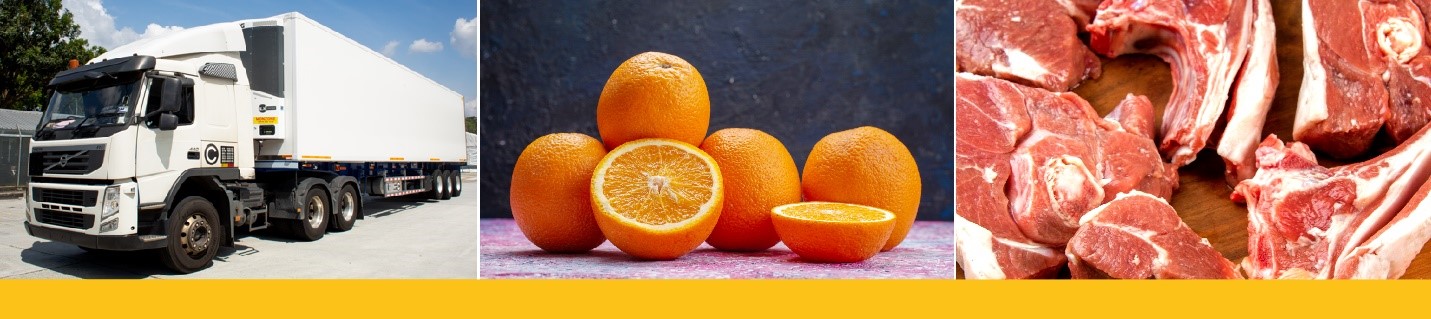
  • Fresh Produce: Oranges from Spain, blueberries from Peru, and avocados from Mexico all travel in reefers.
  • Meat and Poultry: Frozen beef from Brazil and lamb from New Zealand often arrive in containers set below freezing.
  • Seafood: Salmon from Norway and prawns from Thailand are shipped chilled or frozen.
  • Dairy: Milk, cheese, and yoghurt need steady temperatures to stay safe.
  • Medicines: Vaccines and medical supplies must stay within strict temperature ranges.
  • Flowers: Roses from Kenya or tulips from the Netherlands stay fresh using cooled containers.

Without these containers, the cold chain would break, and many goods wouldn’t survive the journey.

Monitoring and Smart Technology

Today, container refrigeration includes smart features that give more control and improve safety.

Remote Tracking

Many containers are fitted with GPS and temperature sensors. This lets operators check location and temperature in real-time operation. If the temperature shifts or the power cuts out, they get alerts.

Data Records

Every trip is tracked. The container logs temperature, humidity, and events like doors opening. This data helps prove the cargo was kept safe and meets food safety rules.

Predictive Alerts

Some containers use smart systems to spot problems early. If a cooling part isn’t working well, it sends a warning. This means repairs can happen before a breakdown, saving the cargo.

These updates make perishable goods logistics smoother operation and more reliable. They also help companies build trust with buyers, knowing the product stayed fresh the whole way.

Conclusion

Insulated container refrigeration for land and sea transport has transformed the way temperature-sensitive goods are shipped and distributed. From fresh produce, meat, and other perishables to pharmaceutical and medical products, these containers ensure global delivery without compromising freshness or quality.

With advanced cooling technology, smart monitoring systems, and durable insulated designs, Monzone’s premium refrigerated containers maintain an unbroken cold chain while offering cost-competitive solutions backed by our quality assurance.

As global trade expands, the demand for safe, reliable cold chain transport continues to rise. With Monzone’s refrigerated containers for both land and sea, businesses can be assured their future logistics needs are in capable hands.

Monzone Group is at the forefront of cold chain innovation, delivering industry-leading container solutions designed to meet the demands of today’s logistics landscape. Built on reliability, durability, and performance, Monzone enables businesses to transport perishables with confidence—across any distance.

Maintaining the Chill: Freezer Truck Maintenance Tips

freezer trucks maintenance

In Singapore’s bustling logistics and food supply chain industry, freezer trucks play a crucial role in ensuring that perishable goods are delivered fresh and safe. From transporting fresh seafood to delivering frozen produce, these vehicles are vital to maintaining the integrity of the cold chain. However, like any complex machinery, freezer trucks require regular maintenance to perform at their best. Proper maintenance not only ensures reliability and efficiency but also prevents costly downtime and product spoilage. In this article, we will explore essential maintenance tips for freezer trucks in Singapore, focusing on their unique needs and challenges.

Importance of Freezer Truck Maintenance

Maintaining freezer trucks is critical for businesses that rely on transporting perishable goods. Neglecting maintenance can lead to numerous issues, including temperature inconsistencies, mechanical failures, and increased operational costs. For instance, a malfunctioning refrigeration unit can cause products to spoil, resulting in significant financial losses and reputational damage. On the other hand, a well-maintained freezer truck ensures that products reach their destination in optimal condition, preserving quality and freshness.

Regular maintenance of the Truck Chassis and the Refrigeration system offers several benefits, including:

FOR TRUCK CHASSIS:

  • Extended Vehicle Lifespan: Routine inspections and timely repairs prevent wear and tear, prolonging the life of the vehicle.
  • Improved Fuel Efficiency: Well-maintained trucks operate more efficiently, reducing fuel consumption and lowering operational costs.
  • Enhanced Safety: Regular checks and maintenance ensure that all components function correctly, reducing the risk of accidents and breakdowns.

FOR THE REFRIGERATION SYSTEM

  • Periodical checking on the consumable parts such as the Beltings, look up for crack lines, worn-off condition and loose beltings, replace and tighten when necessary.
  • Signals such as it takes extraordinarily long time to meet the set temperature or unable to reach the set temperature as compared to its normal operation.
  • Alarm codes are displayed in the temperature controller. Immediate address to alarm codes display, recover and reset the alarm code display.

Understanding Freezer Truck Systems

To effectively maintain a freezer truck, it is essential to understand its key components and how they work together. A typical freezer truck comprises the following systems:

  • Refrigeration Unit: The heart of the freezer truck, responsible for maintaining the desired temperature inside the cargo area. It includes components such as the compressor, condenser, evaporator, and refrigerant.
  • Insulation: Proper insulation is crucial to maintaining a consistent temperature within the cargo area. High-quality insulation materials reduce heat ingress, ensuring the refrigeration unit does not overwork.
  • Power Systems: Freezer trucks can use direct drive systems, where the vehicle’s engine powers the refrigeration unit, or self-powered systems, which have an independent engine or electric power source.

Understanding these systems is crucial for diagnosing issues and performing effective maintenance.

Regular Maintenance Checklist for Freezer Trucks

A structured maintenance schedule helps in keeping freezer trucks in optimal condition. Here is a comprehensive checklist for daily, weekly, monthly, and seasonal maintenance:

Daily Checks:

  • Refrigeration Unit: Inspect for any visible issues such as leaks, corrosion, or damage. Ensure the unit starts and stops correctly and reaches the desired temperature.
  • Temperature Settings: Verify that the temperature settings are accurate and consistent with the requirements of the transported goods.
  • Unusual Noises or Vibrations: Listen for any abnormal sounds or vibrations that could indicate a problem with the refrigeration unit or engine.


Weekly Checks:

  • Insulation and Door Seals: Examine the condition of insulation and door seals for any wear or damage that could affect temperature control.
  • Fuel and Oil Levels: Check the levels of fuel and oil to ensure they are within the recommended range.
  • Battery and Electrical Connections: Inspect the battery for proper charge and check all electrical connections for tightness and corrosion.

Monthly Checks:

  • Refrigeration Unit Servicing: Clean the refrigeration unit and check for any signs of wear or damage. Replace worn-out parts as necessary.
  • Filters: Inspect and replace air, oil, and fuel filters to ensure optimal performance.
  • Refrigerant Levels: Check and top up refrigerant levels to maintain cooling efficiency.

Seasonal Checks:

  • Extreme Weather Preparation: Prepare the vehicle for extreme weather conditions, both hot and cold, to ensure consistent performance.
  • Peak Usage Inspection: Conduct a thorough inspection before peak usage periods to prevent unexpected breakdowns.

Common Issues and Troubleshooting

Even with regular maintenance, freezer trucks may encounter issues that require troubleshooting. Here are some common problems and how to address them:

Temperature Fluctuations:

  • Cause: Could be due to a malfunctioning thermostat, low refrigerant levels, or poor insulation.
  • Solution: Check and calibrate the thermostat, refill refrigerant, and inspect insulation for any damage.

Refrigeration Unit Failures:

  • Cause: Possible causes include compressor failure, electrical faults, or refrigerant leaks.
  • Solution: Inspect the compressor for signs of wear or damage, check electrical connections, and repair any refrigerant leaks.

Unusual Noises or Vibrations:

  • Cause: Could be due to loose components, worn-out belts, or failing bearings.
  • Solution: Tighten loose components, replace worn-out belts, and inspect bearings for wear and replace them if necessary.

In cases where issues persist despite troubleshooting, it is advisable to consult a professional technician for a thorough diagnosis and repair.

Best Practices for Maintenance

To ensure the longevity and reliability of freezer trucks, it is essential to follow best practices for maintenance:

  • Professional Maintenance and Inspections: Schedule regular professional maintenance and inspections to identify and address potential issues before they become major problems.
  • Driver and Operator Training: Train drivers and operators on basic maintenance tasks, emergency procedures, and the importance of reporting issues promptly.
  • Detailed Maintenance Records: Keep detailed records of all maintenance activities, including inspections, repairs, and part replacements. This helps in tracking the vehicle’s maintenance history and identifying recurring issues.
  • High-Quality Parts and Components: Use only genuine, high-quality parts and components for repairs and replacements to ensure reliability and performance.

Choosing the Right Maintenance Service for Freezer Trucks in Singapore

Selecting the right maintenance service provider is crucial for keeping freezer trucks in top condition. Here are key factors to consider:

  • Certification and Experience: Ensure the service provider has certified and experienced technicians who are knowledgeable about freezer truck systems.
  • Quality of Parts: Verify that the service provider uses high-quality, genuine parts for repairs and replacements.
  • Reputation: Research the provider’s reputation and read reviews from other businesses to gauge the quality of their services.

Monzone Group is a trusted name in Singapore, specializing in Transport Refrigeration System and Bus Air-Conditioning System maintenance and repair services. With a team of engineering experts, Monzone Group is dedicated to keeping refrigeration temperature-controlled systems running optimally, ensuring the quality and integrity of your products during transport.

Conclusion

Maintaining the chill in your freezer truck is essential for ensuring the smooth operation of your business and the integrity of your products. Regular maintenance, understanding the key components, and addressing common issues promptly are crucial steps in achieving this. By following the tips and best practices outlined in this article, businesses in Singapore can keep their freezer trucks in optimal condition, ensuring efficient and cost-effective transportation of perishable goods.

Schedule Your Maintenance with Monzone Group Today

Let us help you keep your refrigeration temperature-controlled systems running optimally and ensure the quality and integrity of your products during transport. Reach out to us for a free initial consultation or maintenance check and experience the exceptional service and expertise that Monzone Group has to offer.

By adhering to these maintenance tips and choosing a reliable service provider like Monzone Group, businesses can confidently rely on their freezer trucks in Singapore to deliver perishable goods in perfect condition, maintaining the highest standards of quality and freshness.