
Essential Tips for Proper Insulated Container Management
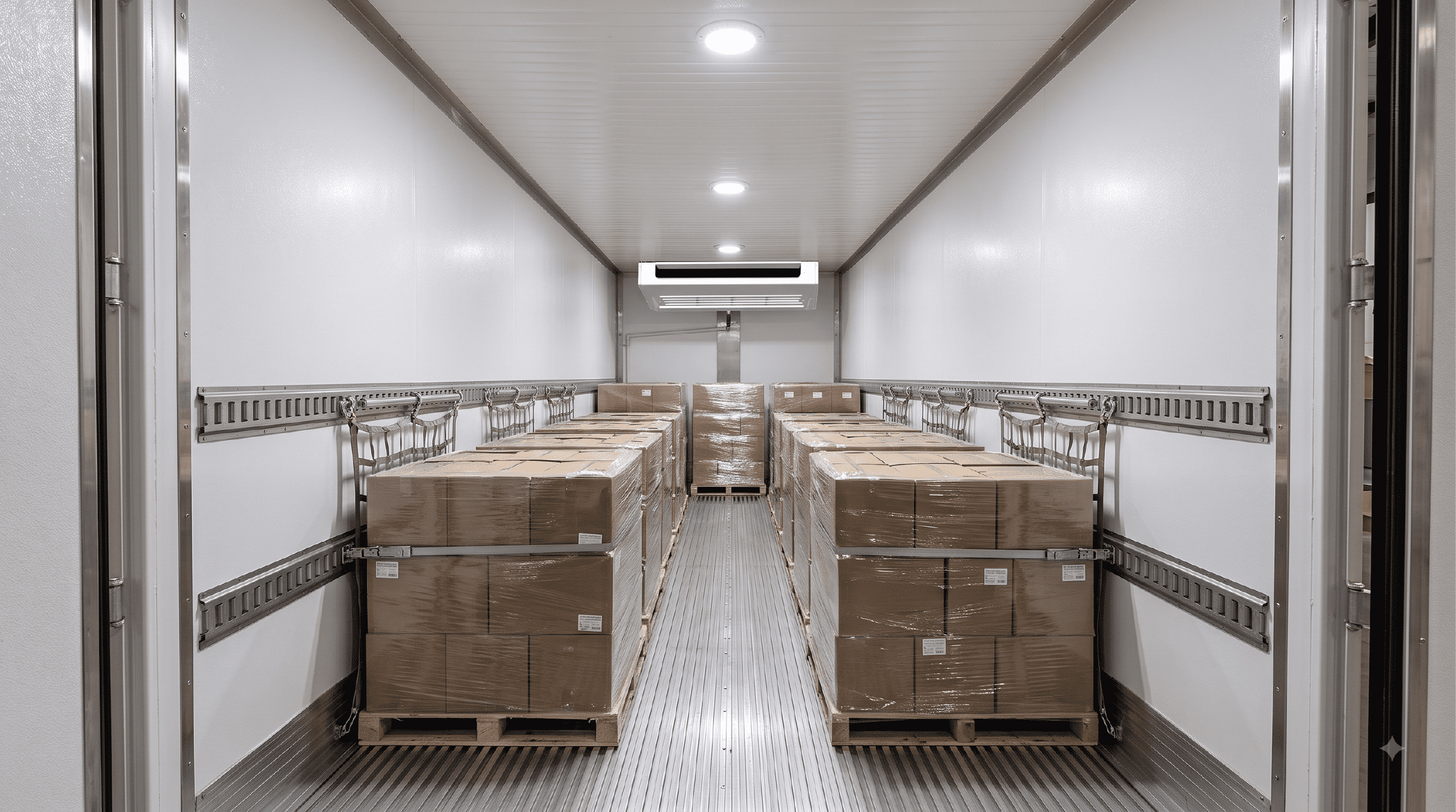
Getting the fundamentals right when operating and maintaining an insulated container can make a significant difference to your operational efficiency, product quality, and overall cost.
Whether you manage a fleet of trucks with refrigeration systems or handle occasional cold-chain deliveries, the way an insulated container is loaded, operated, and maintained directly affects temperature performance and your bottom line.
Many businesses experience avoidable losses without immediately realising it. Product spoilage, excessive fuel or energy consumption, and unexpected repair costs can gradually add up. In many cases, the underlying issue is not the refrigeration system itself but overlooked practices in how the insulated container is used and maintained.
A refrigeration system performs most effectively when it is supported by proper loading practices, good airflow management, effective door sealing, and regular preventive maintenance.
This guide explores some of the most common insulated-container operating and maintenance mistakes, why they occur, and practical ways to prevent them—helping you maintain temperature stability, protect your cargo, and improve the long-term efficiency of your cold-chain operation.
Common Mistakes That Increase Operating Cost
Skipping the Pre-cooling Step before Loading/Delivery
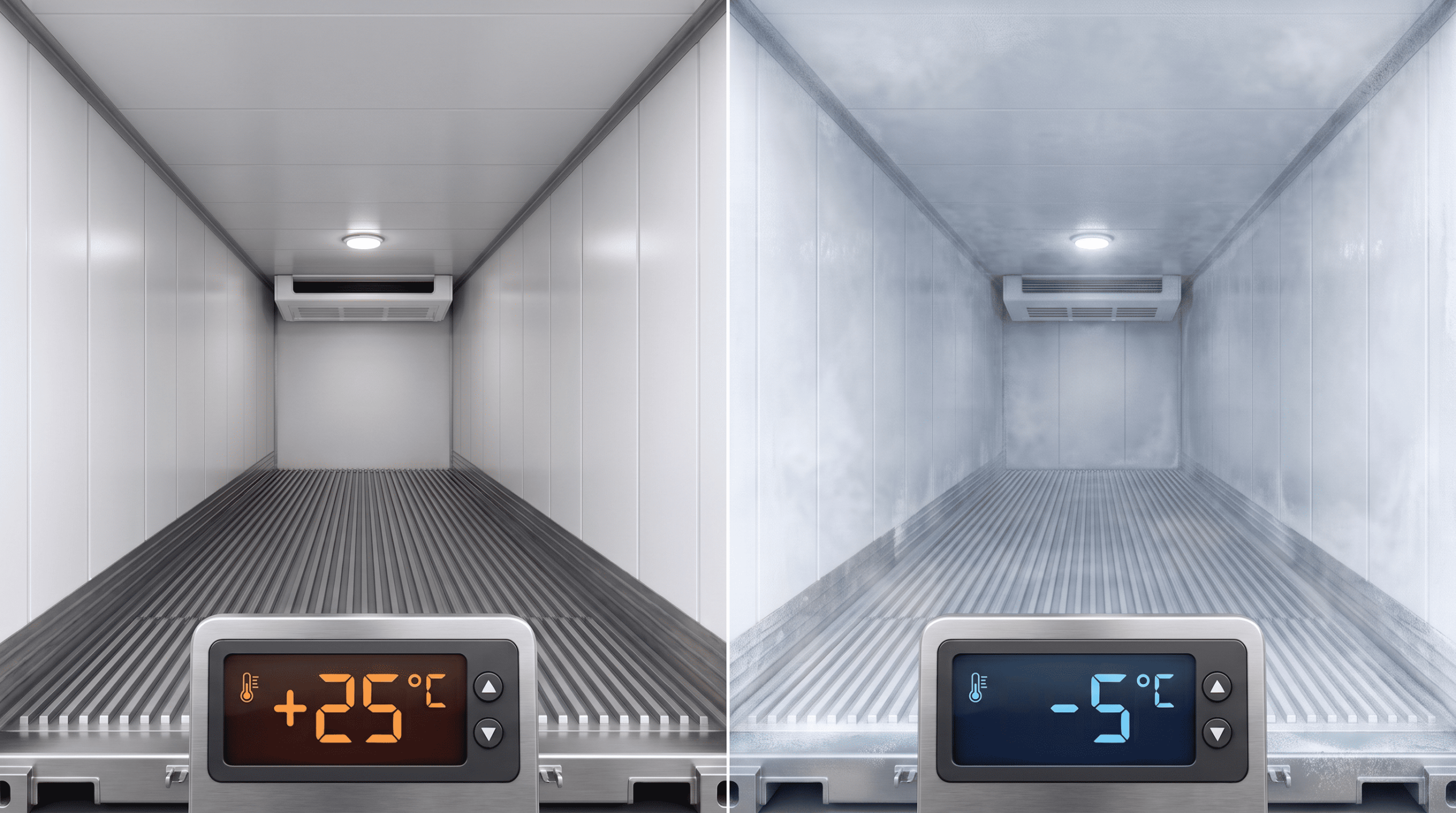
Loading ambient or warm products into a room-temperature insulated container places a significantly higher thermal load on the refrigeration system, making it work harder and longer to reach the required temperature.
Pre-cooling the insulated container is not an optional extra—it is a fundamental good practice in efficient cold-chain management.
A properly pre-cooled insulated container helps minimise the initial temperature load, allowing the refrigeration system to reach and maintain the required set temperature more efficiently. This can help reduce energy consumption, improve temperature stability, and protect products throughout the cold-chain journey.
For best results, products should also be pre-conditioned to the required storage temperature before loading, wherever the product specification allows. Refrigeration units are primarily designed to maintain cargo temperature rather than rapidly cool down warm products.
PRE-COOLING – Fundamental Good Practice in Efficient Cold Chain Management
Blocking Air Discharge outlets affecting Airflow on an Overloaded Cargo Freezer Truck
Don’t Overload the Insulated Container
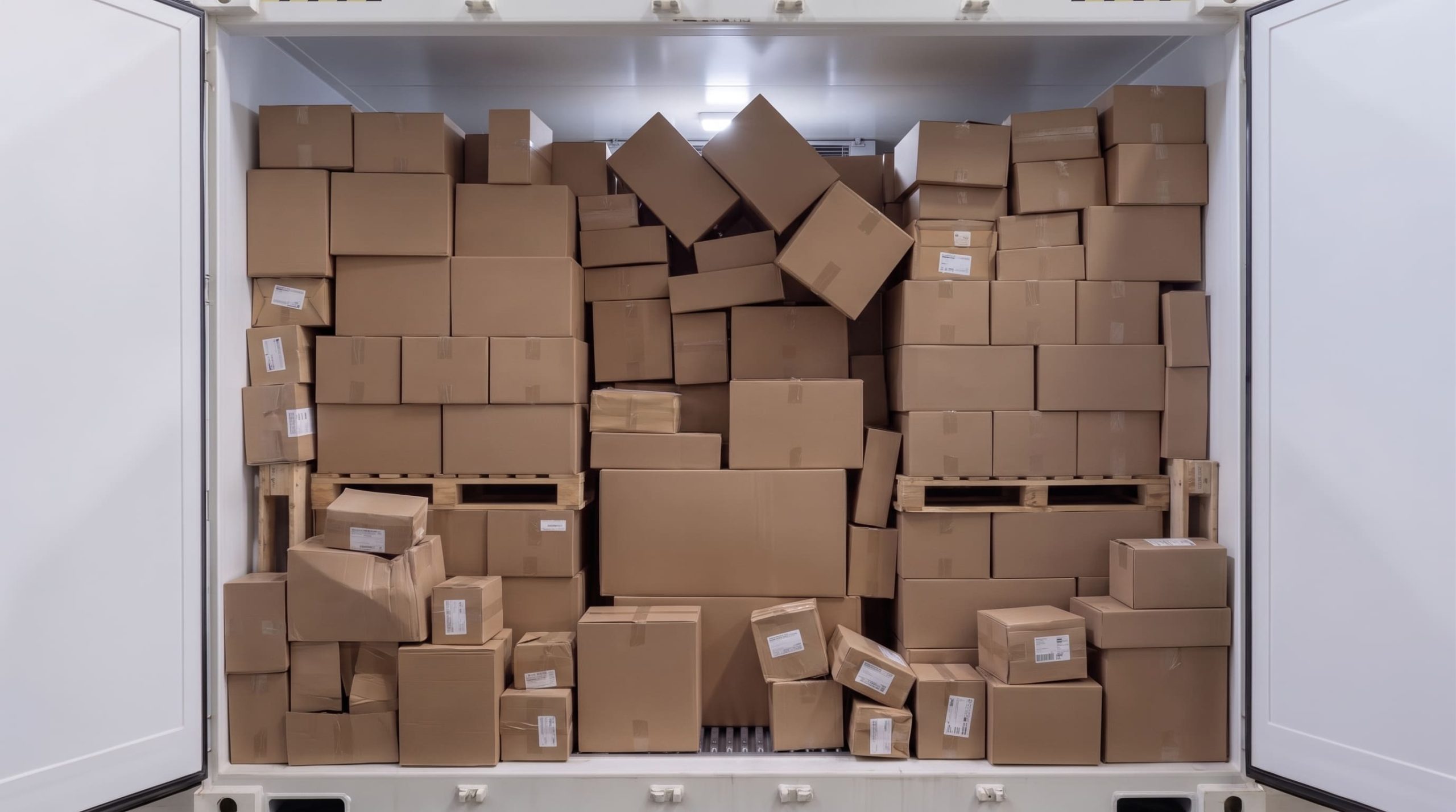
Filling every available space may seem like an efficient way to maximise cargo capacity, but overloading can restrict the airflow required for effective temperature control.
Proper loading practices should always allow sufficient space for cold air to circulate freely throughout the insulated container. When cargo blocks the airflow, uneven temperature zones can develop, creating hot spots and cold-air dead zones within the cargo area.
As a result, the refrigeration system may struggle to maintain a consistent temperature throughout the entire load, increasing the risk of temperature excursions, product deterioration, and spoilage.
Maximise your payload—but never at the expense of proper airflow. Good loading practices are essential to maintaining a stable and reliable cold chain.
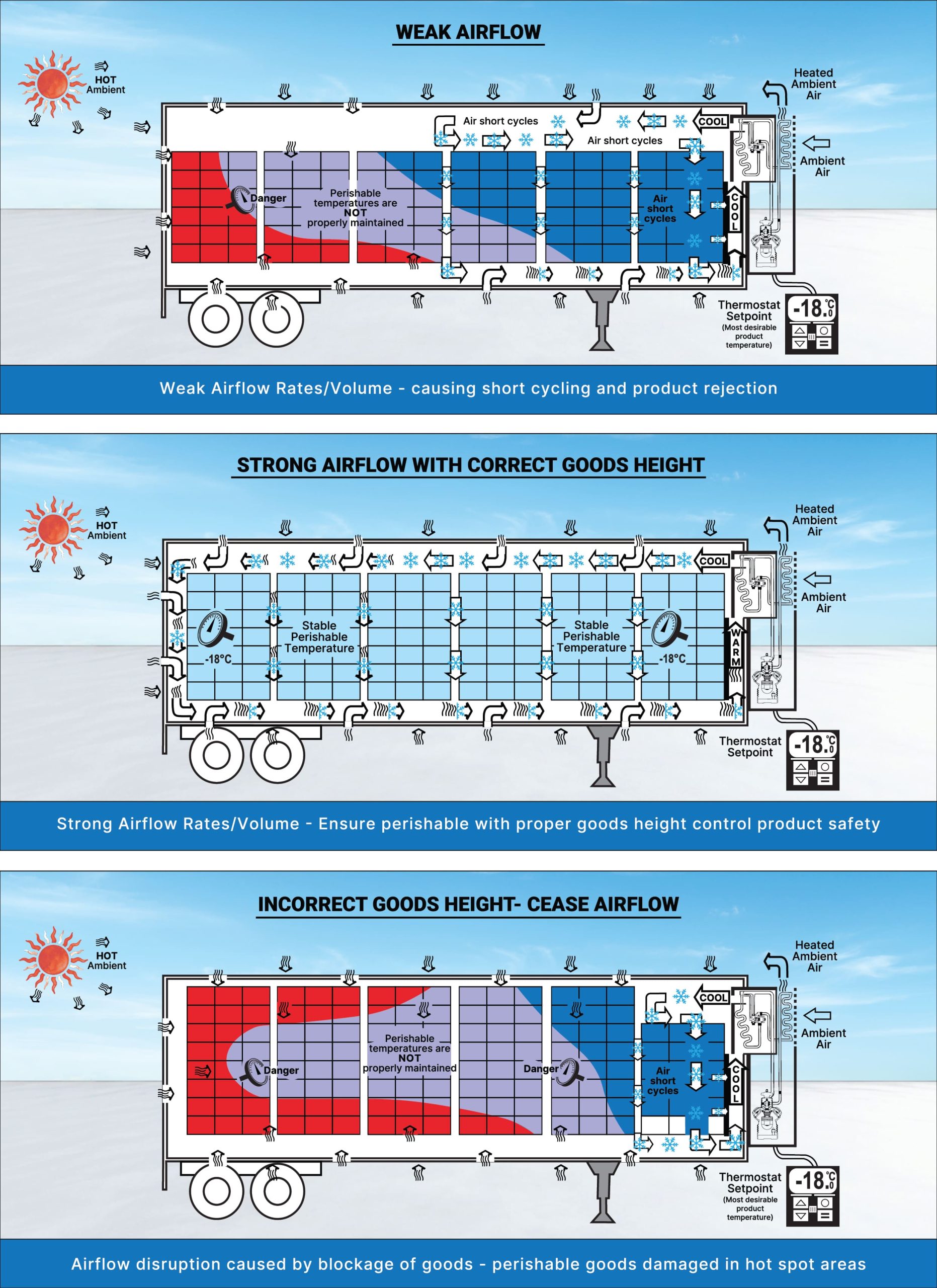
Select of the Right Airflow Rate in Refrigeration System
When selecting the right refrigeration system, cooling capacity is only part of the equation. The airflow rate is equally important and should be matched to the size, length, and internal volume of the insulated container.
Insufficient airflow may result in uneven temperature distribution. Cargo positioned close to the evaporator may remain adequately cooled, while products further away—particularly those near the rear doors—may experience higher temperatures. This can create temperature hotspots, increase the risk of product deterioration and reject deliveries.
A properly selected airflow rate helps distribute cold air effectively throughout the entire cargo space, including the rear of the container. This promotes more uniform temperature distribution, helping to keep perishable cargo within the required temperature range throughout the journey.
The right refrigeration system is not just about how much cooling it produces—it is also about how effectively that cooling reaches every part of the cargo space.

Insulation and Refrigeration: Two Parts of the same Cold Chain Transport
An insulated container provides thermal protection, but it does not generate cold. The refrigeration system is responsible for removing heat and maintaining the required cargo temperature.
Insulation and refrigeration work together as one system.
Without proper insulation, heat enters the container more quickly, forcing the refrigeration system to work harder, consume more energy, and potentially struggle to maintain the required temperature.
On the other hand, without an effective refrigeration system, insulation can only slow down heat gain—it cannot cool the cargo.
That is why choosing the right insulation material, thickness, construction quality, and refrigeration capacity is essential for reliable cold-chain performance.
Good insulation reduces the heat load. The refrigeration system removes the heat. Together, they protect your cargo and maintain the cold chain.
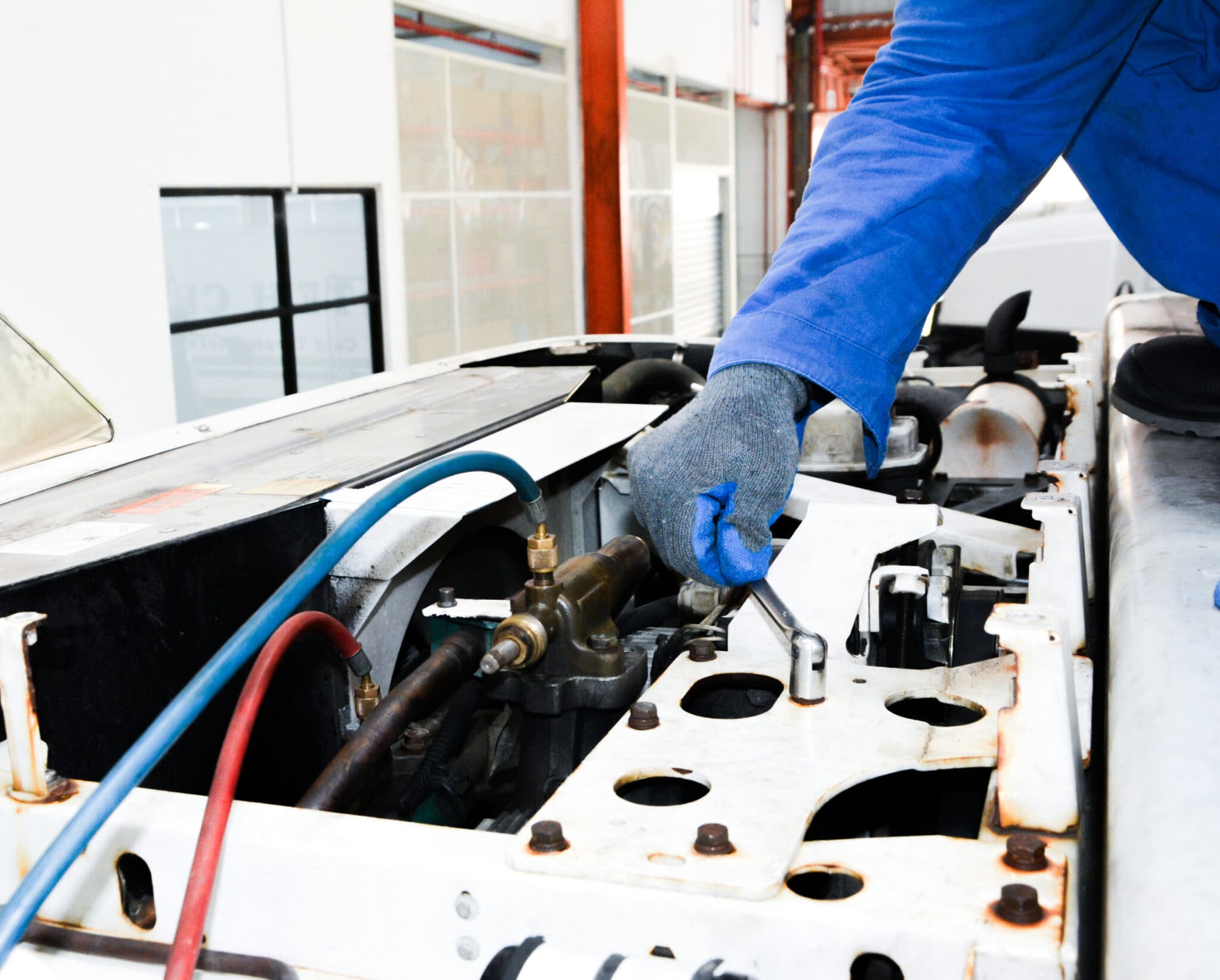
Preventive Maintenance saves more than Reactive Repairs
Many operators only think about maintenance when something breaks. By then, a minor issue may have developed into a major fault, resulting in higher repair costs, unexpected downtime, and potential cargo losses.
Regular inspection and preventive maintenance help identify small problems before they become costly failures. Refrigerant leaks, worn door seals, blocked filters, and other component issues can gradually reduce refrigeration efficiency without obvious warning signs.
A well-maintained refrigeration system operates more efficiently, reliably, and consistently helping to protect both your cargo and your business.
Preventive maintenance is an investment. Reactive repairs are a cost.
Inspect early. Maintain regularly. Prevent costly breakdowns.
Minimise Unnecessary Door Openings
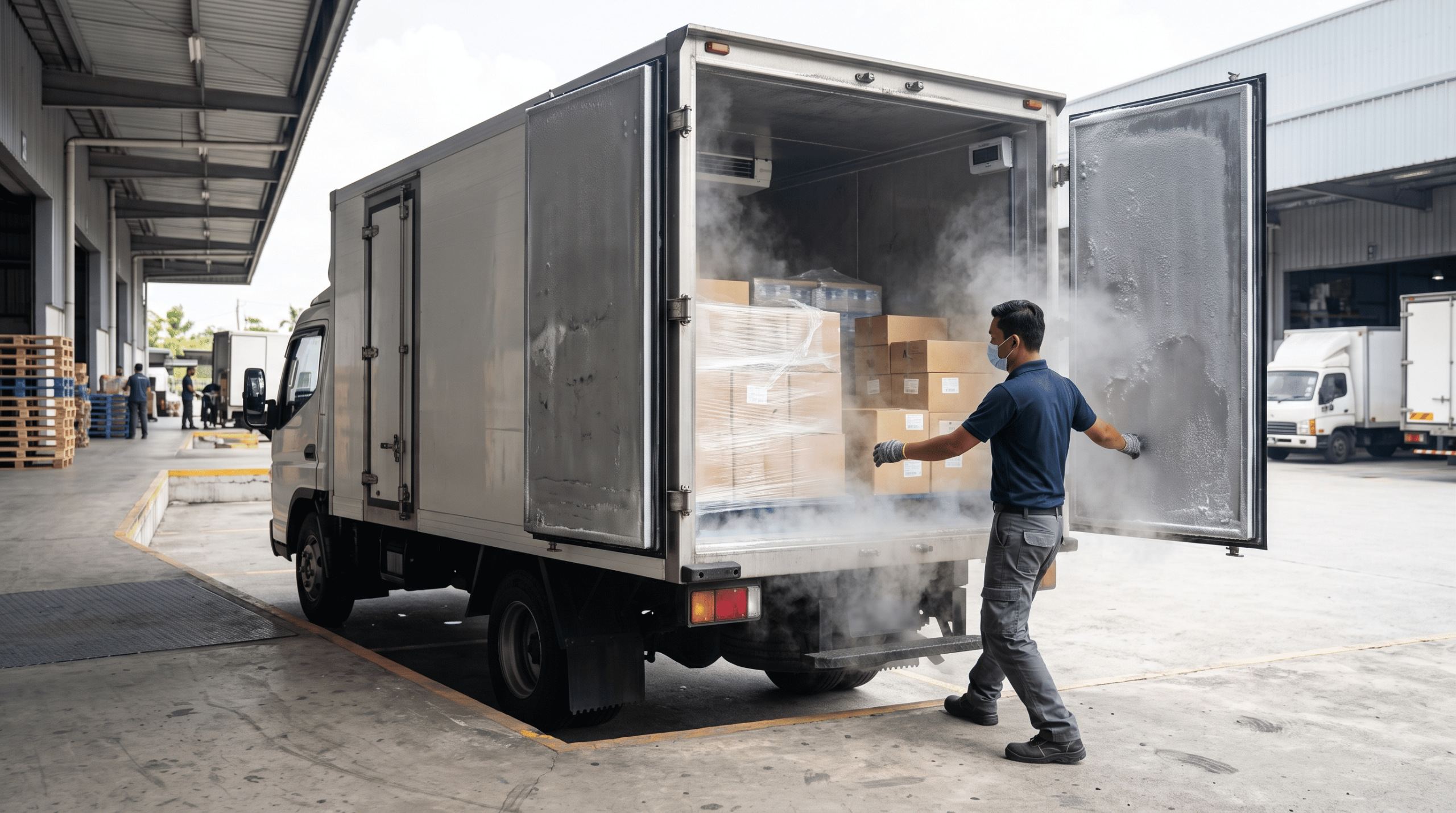
Every time the insulated container door is opened, cold air escapes while warm, humid air enters, increasing the thermal load on the refrigeration system.
A single brief opening may have little impact, but repeated and unnecessary door openings during multi-stop deliveries can add up. The refrigeration system then must work harder to bring the internal temperature back to the required set point, increasing energy consumption and temperature fluctuations.
Door openings are unavoidable during deliveries, but good operating practices can minimise their impact:
* Plan loading and unloading before opening the door.
* Keep door-open time as short as possible.
* Avoid unnecessary door openings.
* Ensure door seals and gaskets are in good condition.
* Close the door immediately after loading or unloading.
Every door opening matters. Minimise heat entry, reduce energy consumption, and help protect the cold chain.
Set the Right Temperature for Your Cargo
Different products require different temperature ranges. Pharmaceuticals, fresh produce, dairy products, and frozen goods each have specific temperature requirements that must be maintained throughout transportation.
Setting the refrigeration system too high may compromise product quality, while setting it unnecessarily low can increase energy consumption and operating costs.
Always verify the required temperature range for your cargo and set the refrigeration system to the appropriate setpoint before loading.
Right product. Right temperature. Right setpoint. Protect your cargo and maintain the cold chain.
Avoid Mixing Chilled and Frozen Cargo
Loading chilled and frozen products in the same insulated container can create a temperature-management challenge. A temperature setting suitable for frozen goods may be too cold for chilled products, while a setting suitable for chilled cargo may not be cold enough to protect frozen products.
Whenever possible, use dedicated insulated compartments or vehicles for each temperature zone.
If mixed-temperature transportation is unavoidable, consider using movable insulated partitions, appropriate airflow management, and independent temperature monitoring to help maintain the required conditions for each cargo zone.
Different temperatures need different solutions. Protect every product by managing each temperature zone correctly.
Why These Mistakes Matter
Product Spoilage and Liability
Spoiled goods mean lost revenue, dissatisfied customers, and potential liability. For pharmaceutical shipments subject to Good Distribution Practice (GDP) requirements, a temperature excursion can compromise the quality and integrity of the affected products in the insulated container.
The cost goes beyond simply replacing damaged goods. Product recalls, rejected shipments, regulatory consequences, and damage to customer trust can have much greater impact on the business.
That is why maintaining a reliable and controlled cold chain is not just about protecting the cargo, it is about protecting your business and reputation.
Temperature control is an investment, not an expense. Therefore, the refrigeration system and insulated container play an important role in the cold chain transportation.
The Hidden Cost of an Inefficient Refrigeration System
An inefficient refrigeration system must work harder and run longer to maintain the required temperature. Poor insulation, restricted airflow, improper loading, and frequent door openings can increase the thermal load and place additional demands on the refrigeration system.
Over time, these inefficiencies lead to higher fuel or electricity consumption, increased component wear, and greater maintenance costs, ultimately raising the total cost of operating the refrigerated vehicle.
An efficient cold chain starts with the right combination of insulation, airflow, loading practices, and refrigeration performance.
Maintenance Expenses
Deferred maintenance increases the risk of unexpected refrigeration breakdowns. Small issues that could have been identified and corrected during routine servicing can develop into costly failures.
Emergency repairs are typically far more expensive than scheduled maintenance. More importantly, a refrigeration failure while on the road can compromise an entire shipment, disrupt deliveries, and leave the driver stranded.
Regular preventive maintenance helps minimise downtime, protect your cargo, and keep your refrigeration system operating reliably.
The Cost of Damaged Reputation
Consistently delivering spoiled or temperature-compromised products can seriously damage your reputation. Customers expect reliable and consistent cold-chain performance, especially when transporting food, pharmaceuticals, and other temperature-sensitive products.
Delivery failures can result in customer complaints, rejected shipments, lost contracts, and damaged long-term relationships.
Protecting the cold chain means protecting not only your cargo, but also your reputation, customer trust, and future business.
Best Practices for Insulated Container Management
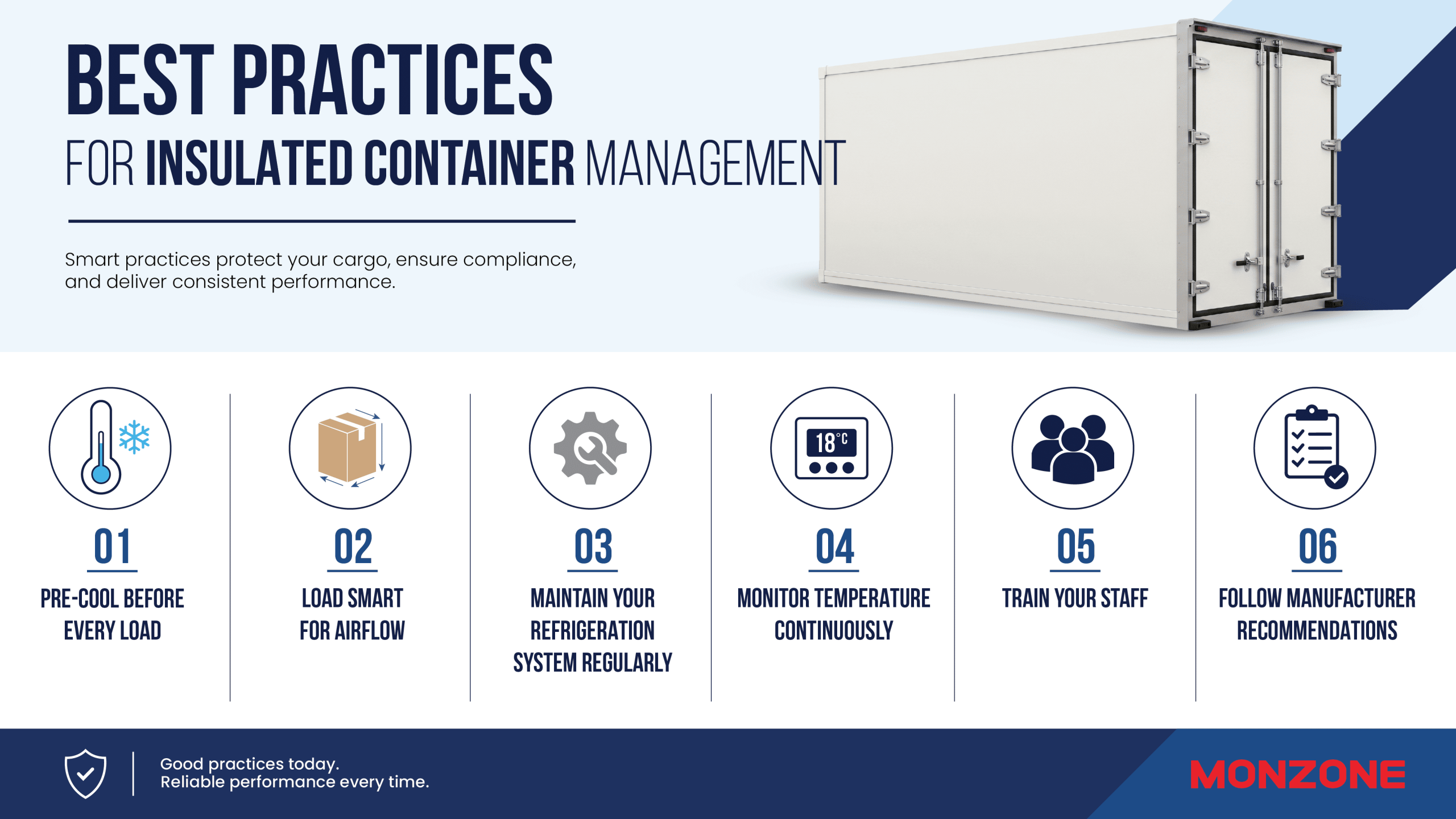
Pre-cool Before Every Load
Pre-cooling should be a standard procedure before every loading operation. Run the refrigeration system for approximately 15-30 minutes before loading, depending on the ambient temperature, insulated container size, and operating conditions.
Pre-cooling brings the interior of the container closer to the required setpoint before the cargo is loaded, reducing the initial thermal load on the refrigeration system.
Pre-cool first. Load efficiently. Protect the cold chain.
Load Smart for Proper Airflow
Arrange cargo to allow cold air to circulate freely throughout the insulated container. Leave sufficient space between products and avoid stacking cargo against air outlets, return-air openings, or ducting, as blocked airflow can create uneven temperatures and hot spots.
Use cargo racks, load bars, and other suitable restraints to organise and secure products efficiently without obstructing critical airflow paths.
Your refrigeration system can only cool what the cold air can reach.
Regular Maintenance Schedule for Your Refrigeration System
Schedule regular inspections of your refrigeration system to identify potential issues before the become costly failures.
Check for refrigerant leaks, clean or replace filters, and verify compressor and system operation. Always follow the manufacturer’s recommended maintenance intervals and procedures.
Early detection helps prevent unexpected breakdowns, reduce downtime, and maintain consistent refrigeration performance.
Inspect regularly. Maintain properly. Prevent costly failures.
Monitor Temperature Throughout the Journey
Use temperature monitoring devices to track the internal condition of your insulated container throughout transportation.
Data loggers and real-time temperature sensors can provide a reliable record of temperature performance, support compliance requirements, and alert operators to potential issues before the cargo is compromised.
Many modern refrigeration system also feature digital temperature displays. Check them regularly during operation to ensure the system is maintaining the required setpoint.
Monitor continuously. Detect early. Protect your cargo and maintain the cold chain.
Train Your Team for Proper Operations
Your team operates the insulated container every day, so make sure everyone understands proper loading techniques, the importance of pre-cooling, and how to use the temperature controls.
Well-trained drivers and warehouse staff can prevent costly mistakes, protect cargo quality, and help maintain a consistent cold chain.
Good equipment performs best when your team knows how to use it properly.
Follow the Manufacturer’s Guidelines
Every insulated container and refrigeration system has specific design limits, operating requirements, and maintenance schedules. Always read and follow the manufacturer’s documentation.
Stay within the recommended operating temperatures, maximum load limits, and service intervals to ensure safe and reliable operation.
Using your equipment within its intended specifications helps prevent premature wear, reduce breakdowns, and protect your investment.
Follow the guidelines. Operate within limits. Protect your investment.
Conclusion
Your insulated container and refrigeration system work as one system, and both require proper operation, regular maintenance, and attention of detail. Pre-cool before loading. Arrange cargo for proper airflow. Maintain your refrigeration system. Monitor temperatures. Train your team. Follow the manufacturer’s guidelines.
These simple but important practices can help you products, reduce operating costs, minimise breakdowns, and build a reputation for reliable delivery.
At Monzone Group, we do more than supply insulated containers and refrigeration systems. We help ensure your team understands how to operate and maintain them correctly.
With nearly 30 years of experience in the cold chain industry across Malaysia and Southeast Asia, we provide hands-on training for operations teams and refresher courses for drivers, covering essential practices such as pre-cooling, proper cargo loading, airflow management, temperature monitoring, and daily refrigeration system operation. Because the right equipment is only part of the solution. The right equipment plus the right practices equal a stronger, more reliable cold chain.
Monzone Group — Your Cold Chain Solution Partner.
Need help with your cold chain operations?
If you are unsure whether your current practices, insulated container, or refrigeration system are right for your operation, speak to Monzone Group team today. Our experienced team can help you select the right equipment, optimise your cold chain operation, and provide practical guidance on proper operation and maintenance. Let us help you build a cold chain that performs, and a team that knows how to keep it performing.
Contact Monzone Group today. Your cargo deserves the right protection.