...

Category Archives: Refrigerated Trucks

How Does a Container with Freezer System Maintain Temperature During Transit?

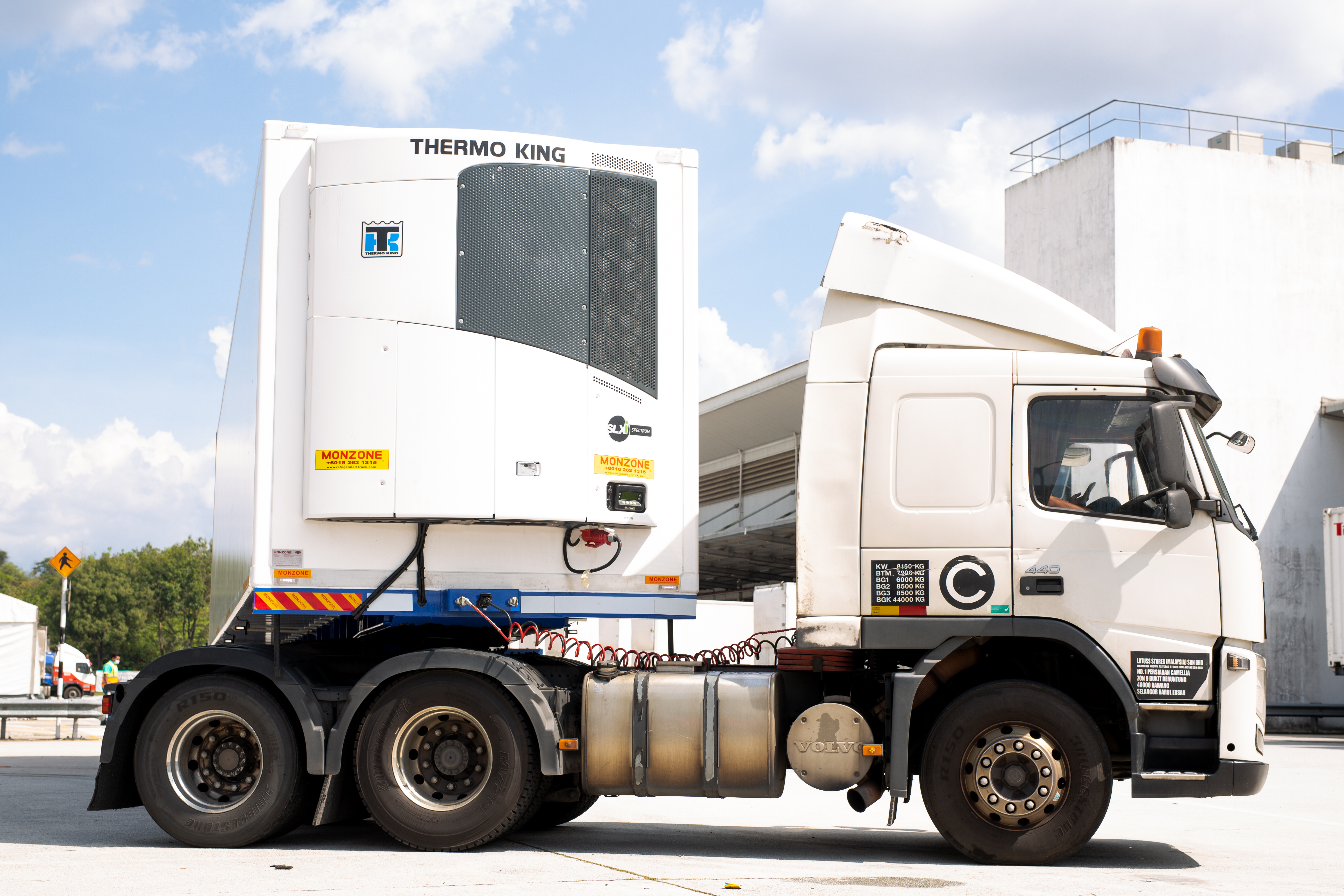
Keeping frozen goods safe during long-distance transport is no easy job. Whether it’s meat, seafood, medicine or ice cream, these items need to maintain a stable low temperature from the point of origin to the final destination. That’s where an insulated container with freezer system comes in.

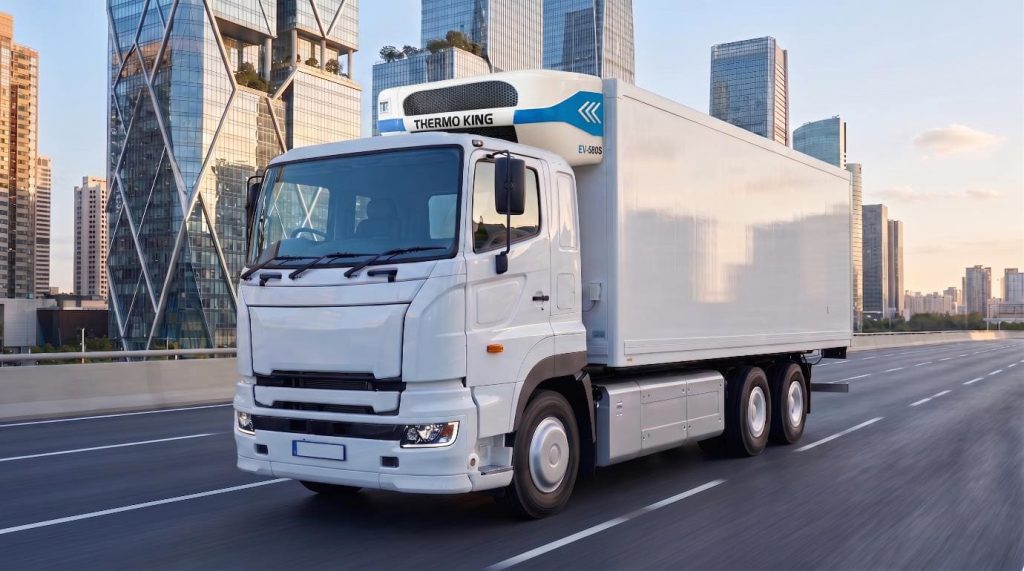
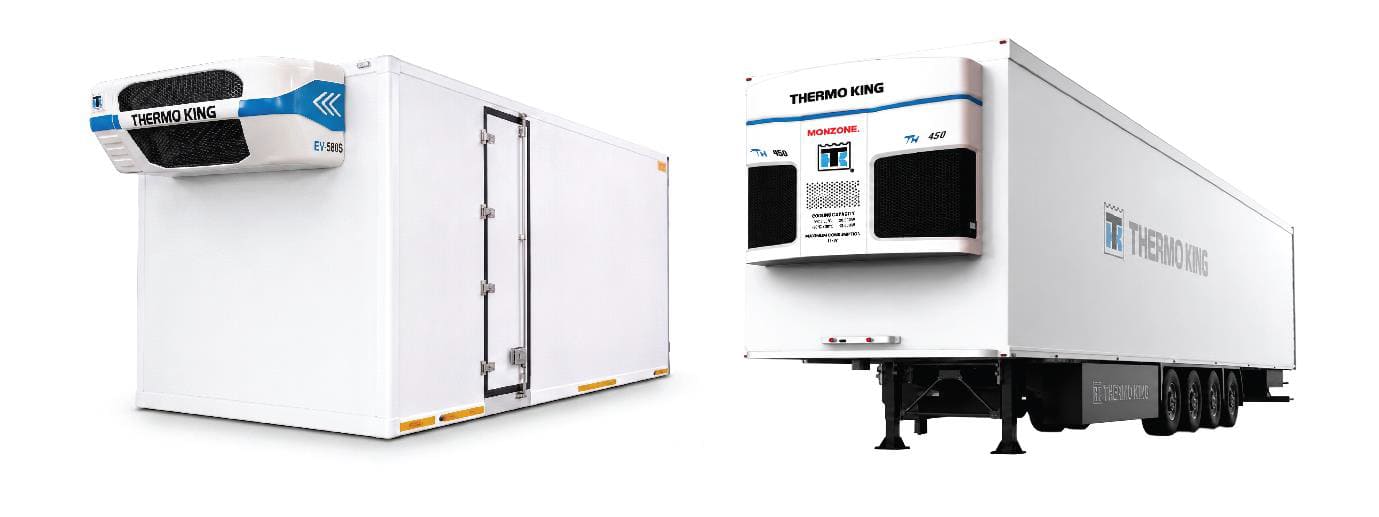
Left Image
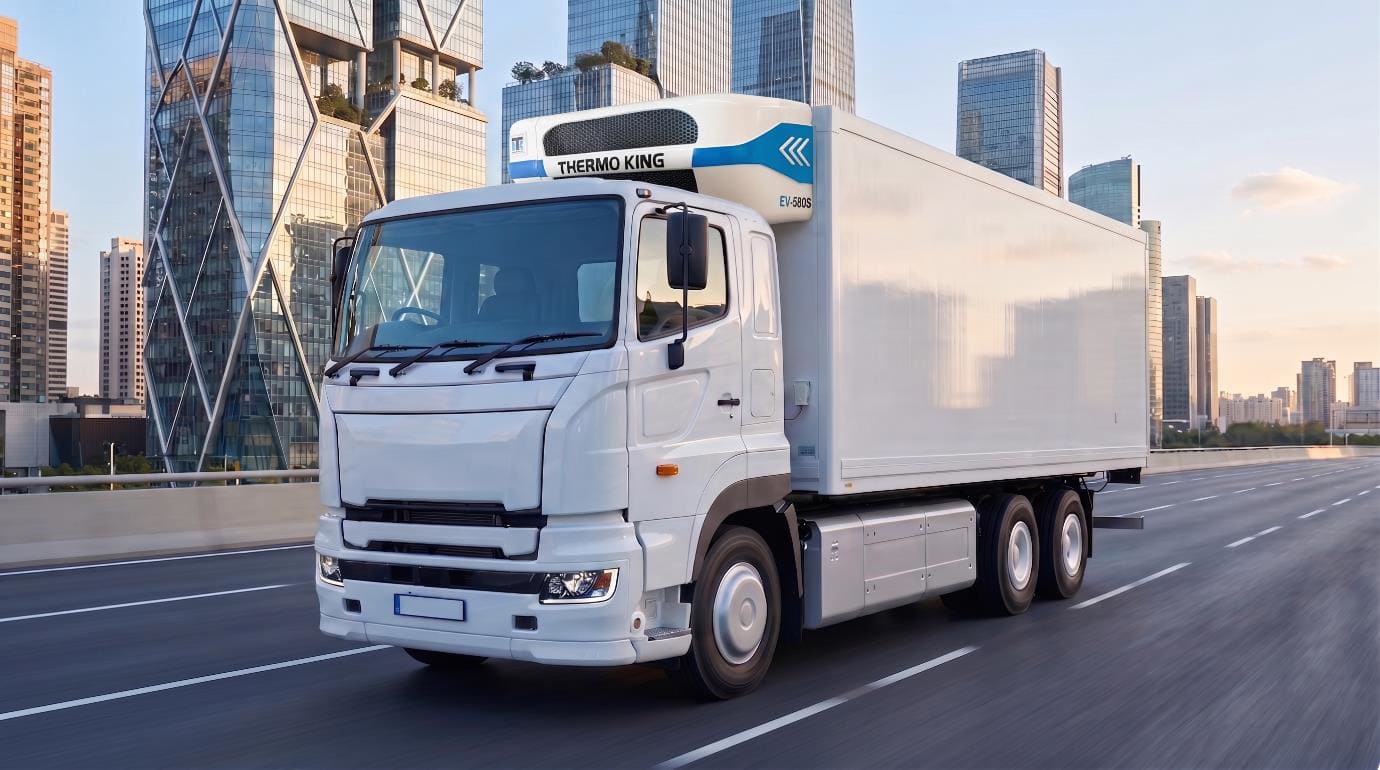
Right Image

These refrigeration containers are used across the cold chain transport industries that deal with temperature-sensitive goods. From farms to pharmacies, they help move products across borders and oceans without spoilage. But how exactly do they keep everything cold, even in the middle of the sea or while crossing a hot desert?

In this blog, we’ll explain how a freezer system with insulated containers works, what affects its performance, and why it’s a vital part of the cold chain industry.

What Is a Freezer insulated Container?

An insulated container with freezer system, also called a refrigerated container or reefer container, is a type of shipping unit that keeps its contents cold or frozen throughout the journey. These containers look like standard metal shipping boxes from the outside, but inside, they are equipped with cooling units and insulation.

Freezer insulated containers come in standard sizes like 20ft and 40ft, making them easy to load on ships, trucks or trains. Their walls, floors and ceilings are insulated to eliminate heat from entering. At one end of the container, there is a cooling unit that controls the internal temperature.

Unlike passive coolers that rely on ice or cold packs, reefer containers have active refrigeration. They can maintain a set temperature for long periods, even during international shipping. Most can be set anywhere between -40°C to +30°C, depending on the requirements.

These containers are used to carry:

  • Frozen food like poultry, seafood, processed food
  • Chilled wine, alcohol, milk drinks or dairy
  • Pharmaceutical, Medicines or vaccines
  • Bakery, dough, Ice cream
  • Fresh flowers or vegetables

Their responsibility is to ensure the cargo remains at the correct temperature throughout the entire   journey.

How Temperature Control Works

The way a freezer container works is quite clever. It uses a refrigeration system combined with smart airflow feature to keep everything at the right temperature.

1. Cooling System

At the heart of the container is the cooling unit. It has three main parts:

  • Compressor: It circulates the refrigerant through the system so heat can be absorbed and released in the right places.
  • Condenser: It condensing the vapor into a liquid while keeping it under high pressure, ready for the next stage of cooling cycle.
  • Evaporator: It takes in warm air from the container, absorbs the heat, and blows out cold air.

This process is repeated over and over, pulling heat out of the container and replacing it with cool air.

2. Air Circulation

Strong airflow volume is the key to making sure all parts of the container stay at the same temperature. The unit pushes cold air to the back door internally, then allows it to flow through the floor. This air rises up through the cargo, pulls heat away from the items, and returns to the cooling unit. The loop continues non-stop.

Learn more about Maintaining the Chill in Freezer Truck

If the cargo is stacked too tight or blocks the air vents, this flow can be disrupted. That’s why proper packing by controlling the height of the goods and pallet height is an important norm in the loading process.

3. Power Supply

These containers need a power source to keep running:

  • On ships and at ports, they plug into an electric supply.
  • On trucks or trailers, they often use shore power or a diesel generator.
  • The self-powered Refrigeration system run on its mini engine powered by disel.
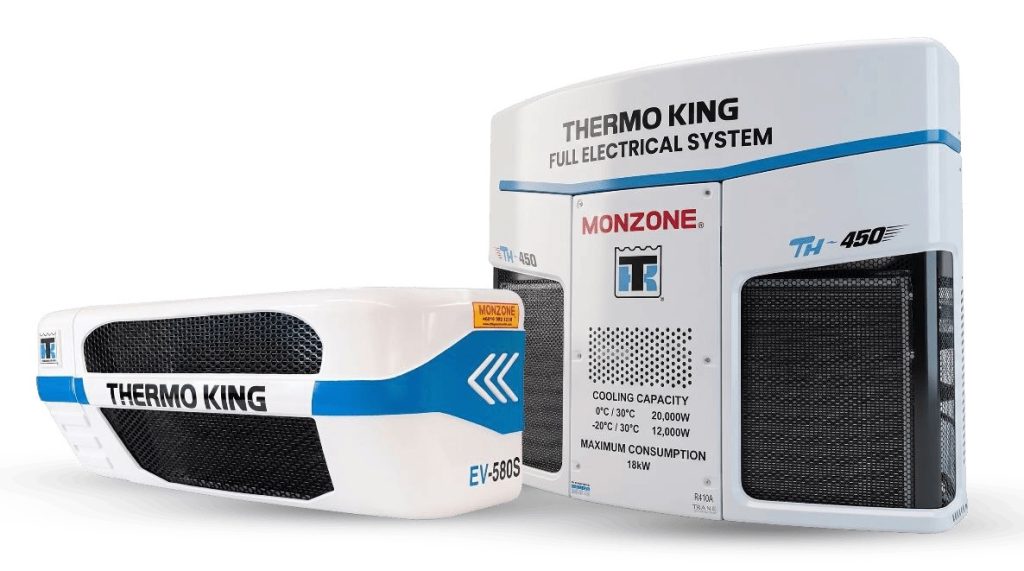
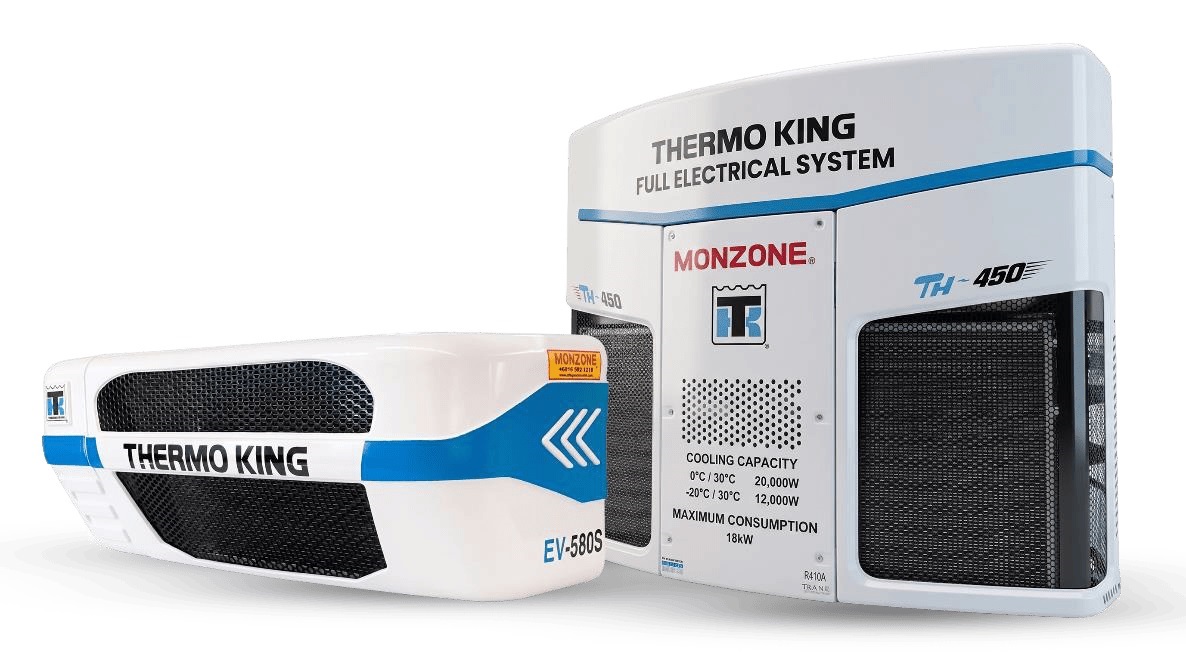
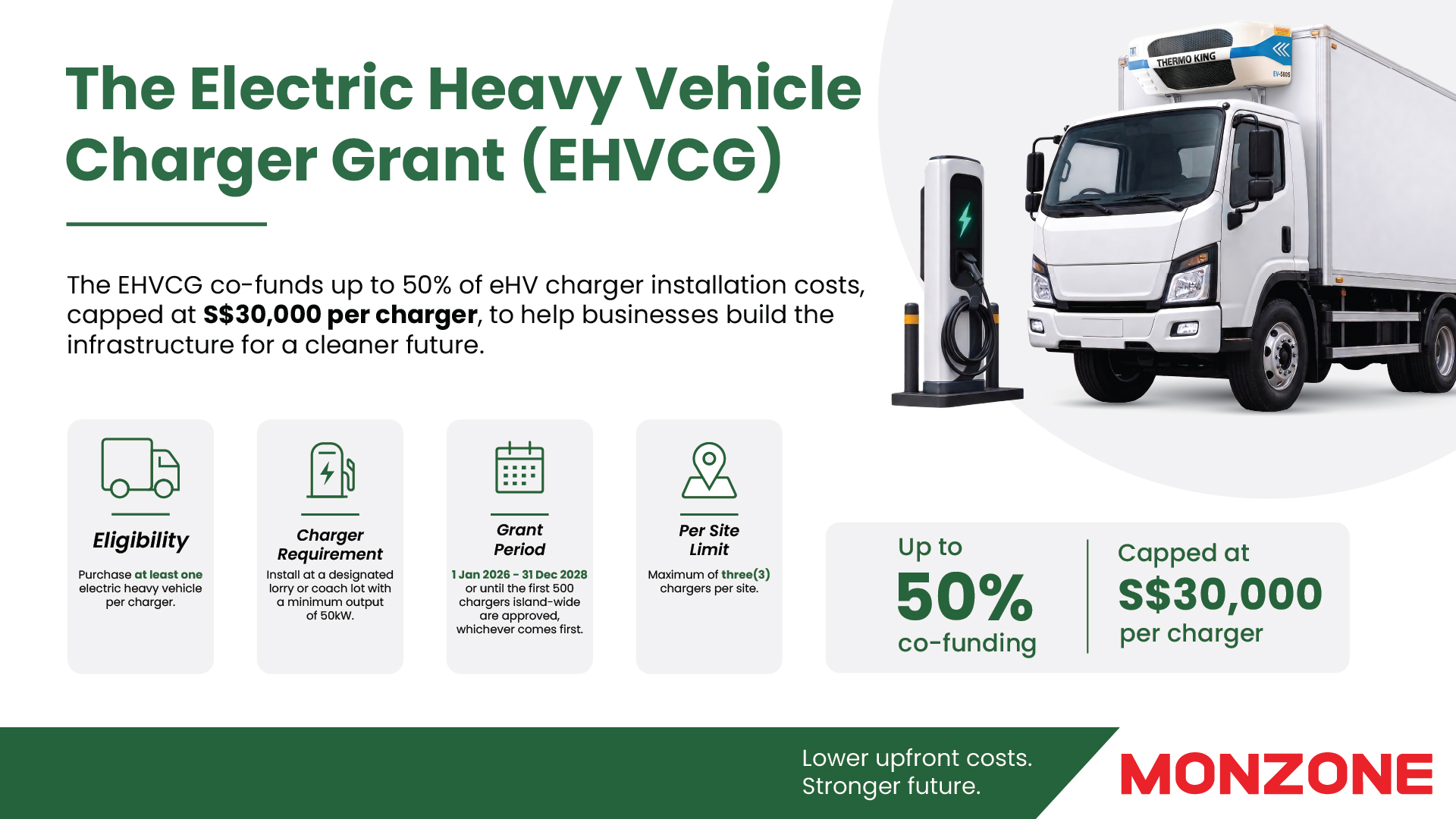
  • Some EV models can run on batteries for a day trips.

Newer models also come with tracking tools. These let operators monitor the temperature, location and door status in real time. If anything goes wrong, alerts are sent straight away.

Factors Affecting Internal Temperature

Although an insulated container with freezer is designed to keep things cold, a few factors can affect how well it works. Let’s look at the most common ones.

1. The ambient Temperature

Even though the container is insulated, very hot or cold weather can impact its performance. On a hot day, it takes more effort for the unit to keep the interior of the container cool. This will prolong the waiting time to reach the set temperature, and the system will need a longer cooling cycle.

2. Opening the Doors

Each time the door is opened, warm air enters while cold air escapes from the insulated container. This triggers the evaporator fan and forces the cooling system to work harder to restore the set temperature. Frequent openings of the side or rear doors may lead to temperature fluctuations, unstable cooling performance, and ultimately compromise the quality of the goods.

3. Type of Cargo

Different goods need different temperatures. Frozen meat and seafood may need -18°C, while vegetable and fruits need around +13°C to 2℃. Placing items with different temperature needs in one container is possible by using Monzone cold chain solutions using multi compartment temperature control.

4. How Cargo Is Packed

Cold Air needs space to flow. If goods are packed too high and too close to each other, the airflow will be disrupted badly. Thus, warm and hot spots will be created that may lead to rejection and spoilage of goods.

5. Condition of the Insulated Container

Older insulated containers with damaged insulation, joints and missing parts will lose coldness efficiency. This often happens in an accident container or container that is not built by us. Therefore, regular maintenance and checks are critical to help spot these problems early.

Cold Chain Continuity

Cold chain logistics refers to the end-to-end management of products under controlled temperatures to ensure their quality and safety throughout storage and transportation. A refrigerated container is only one component within this larger, interconnected system.

The cold chain transport starts when the perishable goods leave the farm to slaughtering house to pack and processing facility to distribution center and ends when it reaches the customer on direct sales channel or to the supermarket. Every step in between harvesting, slaughtering, processing, packing, loading, shipping, customs, and delivery must keep an unbroken cold chain transport.

If the cold chain breaks, even for a short time, it can cause rejection and product spoilage. This waste could lead to loss of revenue, time and resources in the process. For example, vaccines exposed to warm air can lose their effectiveness, Ice cream might melt and refreeze can ruining its texture causing rejection, meat will tun bad with bacteria grows on the surface and so on.

To protect the chain, companies use:

  • Data loggers to track temperature
  • Sealed the containers to avoid warm air intrusion and unauthorized opening of the container.
  • Remote live tracking to monitor the trip and quick recovery could be managed.

This makes it easier to act fast if something goes wrong.

Applications: What Products Need It?

Many industries rely on reefer containers to move goods. Some of the most common uses include:

1. Food and Drink

  • Frozen seafood and poultry
  • Processed food and fresh ingredients
  • Ice cream and frozen desserts
  • Fresh fruit and vegetables
  • Milk, cheese and yoghurt
  • Soft drinks and juice

Without cold storage, these items would spoil before they reached shops.

2. Medicine and Healthcare

  • Vaccines and insulin
  • Blood samples and Pharmaceutical products
  • Sensitive drugs and chemicals

Temperature changes can make medicine unsafe. Freezer containers keep them stable.

3. Plants and Flowers

  • Fresh cut flowers
  • Live plants
  • Seeds and bulbs

These need a cool, stable space to prevent wilting or early sprouting.

4. Industrial Use

Some materials used in labs or factories also need cool storage.

These include certain adhesives, chemicals, lab samples, aerospace and airplane parts, or test liquids.

Maintenance & Reliability

A working freezer and refrigeration container needs regular checks, maintenance and service to stay reliable. Without consistency care, even the best refrigeration container can fail at the worst time.

This include the Preventive Maintenance, Corrective Maintenance and Comprehensive Maintenance.

What are the key points to check on?

  • Refrigeration Unit: Check for leaks, wear, operating hours for service, mechanical structure, fans, compressor, condenser, evaporator and refrigerant levels.
  • Insulation: Look for cracks, joint damage, and broken part.
  • Sensors: Make sure they are working, not missing, calibrated with accurate temperature readings.
  • Power Source: Electrical standby unit of the system need service and maintenance, battery system needs checking on the efficiency, the 3 phase power connectors need to be checked regularly to ensure in proper working condition.
  • Doors and Seals: Make sure they close properly, repair the door gaskets when it is broken, and replace the door if it is beyond repair.

Containers are often checked for defects, washed and cleaned before and after every trip to manage hygiene issues and repair if necessary. This helps spot issues early and avoid delays or cargo loss. Temperature performance tests are done regularly to ensure cold chain transport efficiency and prevent breakdown without service and checking.

All Thermo King units can even run self-checks, and some units can even send live reports to the operator. This saves time and makes it easier to manage large fleets of containers.

Conclusion

An insulated freezer container plays a vital role in safeguarding products during cold chain transportation. From perishable foods to critical pharmaceuticals, it ensures consistent temperature control, reducing the risk of spoilage and rejection.

With the right system in place, businesses can confidently move temperature-sensitive goods worldwide. Reefer containers, smart tracking technologies, and effective planning are essential to building a reliable cold chain distribution network.

As global demand for safe and fresh products continues to rise, the importance of advanced refrigeration containers has never been greater. More than just insulated boxes, they maintain the integrity of an unbroken cold chain.

Monzone Group is a trusted industry leader, providing dependable freezer container solutions designed for cold chain logistics. With a commitment to quality and performance, Monzone enables businesses to deliver sensitive goods with assurance and consistency.

Choosing the Right Unit: Truck Refrigeration Unit Guide

In the world of logistics and transportation, particularly in a tropical climate like Singapore’s, the ability to transport temperature-sensitive goods effectively is crucial. Freezer trucks, equipped with advanced refrigeration systems, play a vital role in ensuring that perishable products reach their destinations in optimal condition. This comprehensive guide will help you understand how to choose the right truck refrigeration unit for your needs, focusing on key factors, advanced features, and solutions to common challenges.

Freezer trucks are essential for businesses that deal with perishable goods. These vehicles are specifically designed to maintain a consistent low temperature, ensuring that items such as food, pharmaceuticals, and chemicals remain fresh and effective during transit. In Singapore, where the high ambient temperatures can pose a significant challenge, having a reliable truck refrigeration unit is crucial for maintaining the quality and integrity of products.

Types of Truck Refrigeration Units

When selecting a freezer truck, it’s important to understand the different types of refrigeration systems available. Each type offers unique advantages and is suited to different operational needs.

Direct Drive Systems

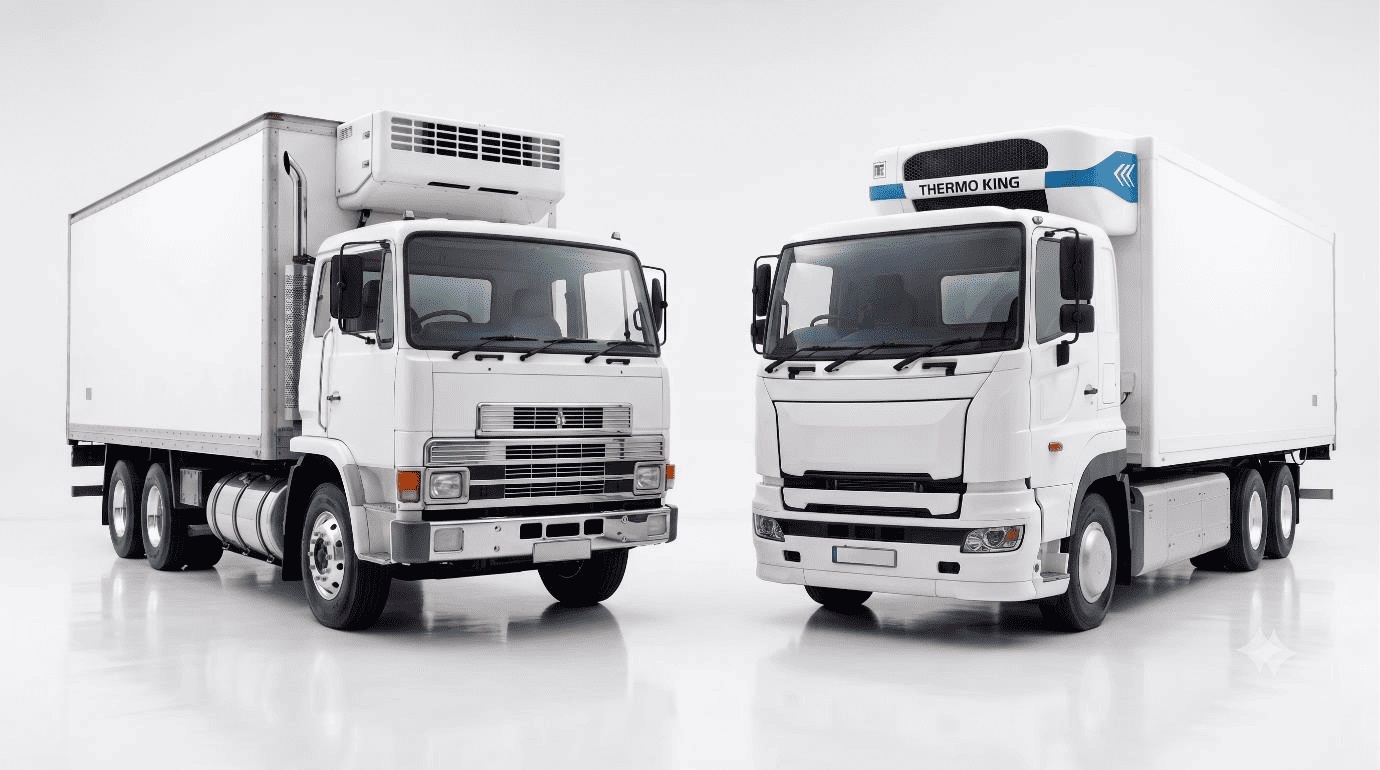
Direct drive systems, also known as vehicle-powered systems, use the power generated by the truck’s engine to run the refrigeration unit. This type of system is commonly used in Light and Medium-Duty freezer trucks.

Advantages:

  • Efficiency: Direct-Drive systems are well known for their high efficiency, as they directly utilize the truck’s engine power by introducing the idle pulley and belt connected to the compressor, whereby transmitting the power to the refrigeration system.
  • Reliability: These systems are versatile and less likely to experience issues related to external power sources because they rely on the truck engine solely.

Considerations:

  • Dependence on Engine Power: The refrigeration unit’s performance is directly tied to the truck’s engine, which means that if the engine is off, so is the refrigeration unit.
  • Maintenance: Regular maintenance of the truck’s engine becomes crucial to ensure the refrigeration system operates smoothly and

Self-Powered Systems

Self-powered systems operate with an independent engine that powers the refrigeration unit. These systems are highly flexible and can be plugged into an external power source if needed.

Advantages:

  • Flexibility: Self-powered systems allow for operation even when the truck’s engine is off, offering greater flexibility in terms of parking and operating duration.
  • Low Maintenance: These systems often have longer servicing and maintenance intervals, such as 2,000 or 3,000 running hours before the next servicing need to be done, which can save maintenance and servicing costs in the short and long-term.
  • A Constant High and Low rpm which means a faster cooling time as compared to the Direct-Drive System which depends on the truck’ engine rpm. (Acceleration high or low and idling at traffic’s lights will affect the cooling performance accordingly)

Considerations:

  • Initial Cost: Self-powered systems can be more expensive upfront compared to direct drive systems.
  • Complexity: The additional engine and components can add to the complexity of the system, potentially requiring more specialized maintenance.

Key Factors to Consider When Choosing a Truck Refrigeration Unit

Selecting the right truck refrigeration unit involves evaluating several critical factors to ensure that the system meets your operational needs effectively.

Capacity and Size

The capacity of the truck refrigeration unit should align with the type and volume of goods you plan to transport. Consider the following:

  • Volume of Goods and Space: Assess the volume and type of container size you need to transport to determine the required cubic volume capacity of the interior space needed for the refrigeration unit to put down to its set temperature.
  • Temperature Requirements: Different products may require different temperature ranges, so buyer need to ensure the unit can achieve and maintain its required cold chain transport temperature with additional 20% more efficiency to compensate its performance over the years and power efficiency necessary for its usage

Temperature Performance

Consistent temperature control is vital for preserving the quality of perishable goods. Key aspects include:

  • Temperature Range: Ensure that the refrigeration unit can maintain the required temperature range throughout the journey.
  • Temperature Monitoring: Advanced temperature monitoring systems can provide real-time data and alerts if there are any fluctuations.

Maintenance and Durability

A reliable truck refrigeration unit should be durable and easy to maintain. Consider:

  • Durability: Choose a unit built with high-quality materials and components to withstand regular use in harsh weather and road
  • Ease of Maintenance: Look for systems that offer easy access for maintenance, have readily available parts, its authorized workshop and a qualified support maintenance team.

Energy Efficiency

Energy efficiency impacts both operating costs and environmental footprint. Consider:

  • Fuel Efficiency: Direct drive systems rely on the truck’s engine, so fuel efficiency can affect overall costs. Self-powered systems may offer better energy management.
  • Environmental Impact: Energy-efficient systems help reduce the environmental impact by consuming less fuel and reducing emissions.

Advanced Features and Technology

Modern truck refrigeration units come equipped with several advanced features designed to enhance performance and reliability, such as real-time temperature monitoring system, data management, remote control of the refrigeration system, 3rd party API control capability, precision temperature control for pharmaceuticals and medical products and fully electric system to enhance operational performance and reduce energy cost.

Temperature Monitoring Systems

Temperature monitoring systems are crucial for ensuring that the goods remain within the required temperature range. Features to look for include:

  • Real-Time Monitoring: Systems that provide real-time temperature data allow for immediate action if any issues arise.
  • Remote Access: Some systems offer remote access to monitor temperature conditions from a distance, which can be particularly useful for fleet management. This allows instant detection of abnormality in temperature performance whereby prevent rejection and saving especially expensive cargo and goods.

Airflow Management

Effective airflow management helps maintain an even temperature distribution throughout the cargo area. Consider features such as:

  • Air Circulation: Systems that ensure proper air circulation, prevent hot spots and ensure uniform cooling.
  • Airflow volume: System with weak airflow volume cannot cool a longer refrigeration truck because the cold air cannot reach the back end of the insulated container.
  • Ventilation: Adequate ventilation helps maintain a consistent temperature and reduces the risk of condensation, spoilage of perishable goods and rejections. The use of corrugated flooring, introduction of pallets, and maintaining the maximum load height inside the insulated container could help to address this issue.

Common Challenges and Solutions

Even with advanced technology, truck refrigeration units can face certain challenges. Here are some common issues and potential solutions.

Temperature Fluctuations

Temperature fluctuations can jeopardize the quality of the transported goods. Solutions include:

  • Regular Maintenance: Routine maintenance checks can identify and address issues before they cause significant problems.
  • Advanced Monitoring: Implementing advanced temperature monitoring systems can help detect and rectify fluctuations quickly.

Maintenance Issues

Maintenance is essential for ensuring the longevity and reliability of the refrigeration unit. Key practices include:

  • Scheduled Servicing: Adhere to a regular servicing schedule to keep the system in optimal condition.
  • Authorized and Professional Repairs: Use certified workshop and authorized technicians for repairs to ensure that the work is done correctly and with genuine parts.

Regulatory Compliance

In Singapore, compliance with local regulations is important for operating freezer trucks. Key regulations to consider include:

  • Health and Safety Standards: Ensure that your truck refrigeration unit meets all health and safety requirements related to the transport of perishable goods.
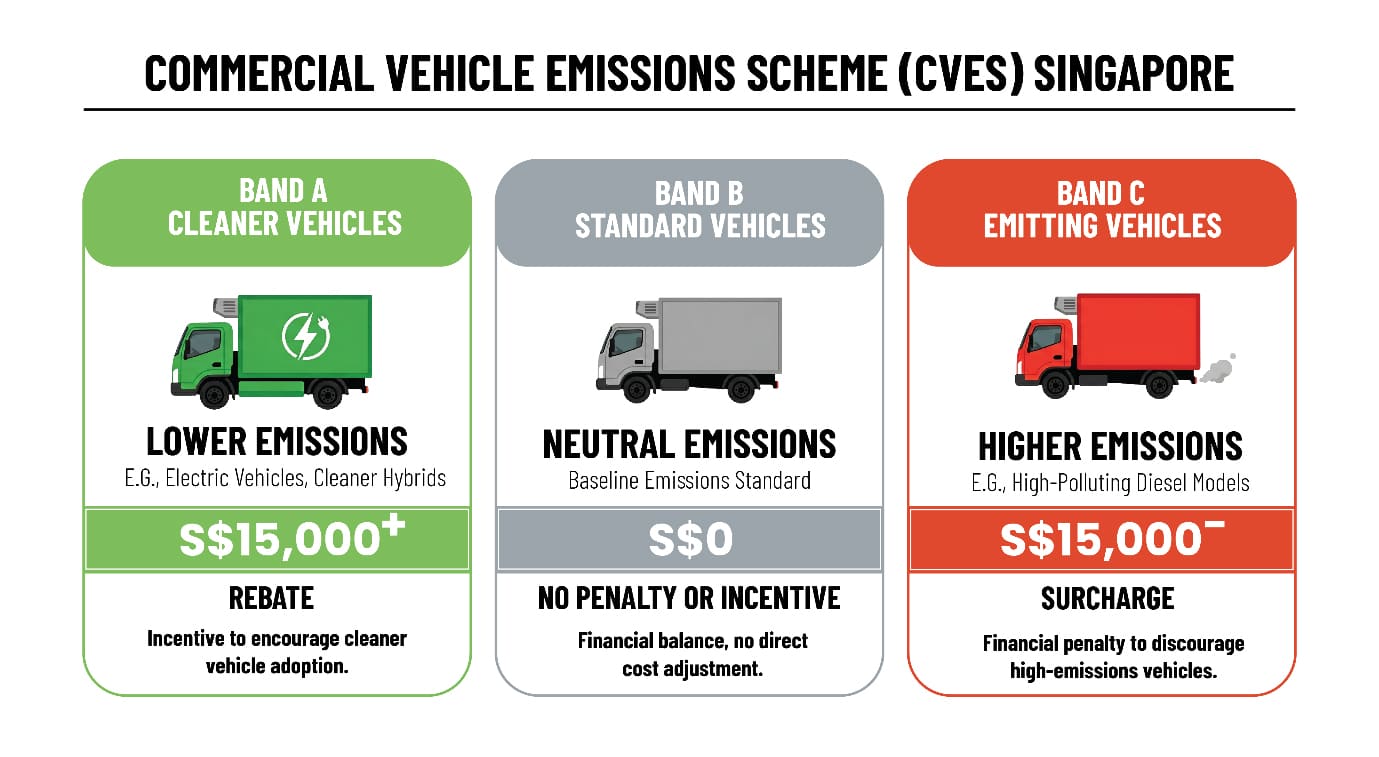
  • Environmental Regulations: Adhere to regulations concerning emissions and environmental impact to avoid penalties and contribute to sustainability efforts.

Conclusion

Choosing the right truck refrigeration unit is a critical decision for any business involved in transporting temperature-sensitive goods. By understanding the types of refrigeration systems, evaluating key factors, and considering advanced features, you can make an informed choice that meets your operational needs.

Monzone Group offers expert services in selecting, maintaining, and repairing truck refrigeration units, ensuring that your systems run efficiently and reliably. For more information or to schedule a maintenance or repair appointment, contact Monzone Group. Our team is dedicated to helping you keep your refrigeration systems in top condition, ensuring the quality and integrity of your products during the Cold-Chain Transport services.


Cold Chain Logistics: The Role of Refrigerated Trucks

Cold chain logistics is a critical component of modern supply chains, particularly for industries dealing with temperature-sensitive products such as food, pharmaceuticals, and medical supplies. Ensuring that these products remain at a consistent, safe temperature from the point of origin to the final destination is paramount to maintaining their quality and efficacy of cooling system control. At the heart of this intricate network lies the refrigerated truck, an indispensable asset in cold chain logistics. This article delves into the essential role of refrigerated trucks in cold chain logistics, with a particular focus on their application and significance in Singapore.

Understanding Cold Chain Logistics

Cold chain logistics refers to the transportation and storage of temperature-sensitive products under controlled conditions. This system is vital for preserving the quality and safety of perishable goods, such as fresh produce, dairy products, vaccines, and biologics. A well-functioning cold chain ensures that products retain their desired properties until they reach the end consumer.

Key components of a cold chain system include refrigerated storage facilities, transportation vehicles equipped with temperature control mechanisms, and real-time monitoring systems to track and maintain the required temperature. One of the primary challenges in cold chain logistics is the need for continuous temperature control throughout the entire supply chain. Any deviation from the required temperature range can compromise the integrity of the products, leading to spoilage, reduced efficacy of cooling system control, or safety risks.

The Role of Refrigerated Trucks in Cold Chain Logistics

Refrigerated trucks are specialized vehicles designed to transport perishable goods at controlled temperatures. They play a crucial role in ensuring that temperature-sensitive cargo is maintained within the specified temperature range from the point of origin to the destination. These trucks are equipped with advanced refrigeration units and insulation to keep the cargo at the desired temperature, regardless of external conditions.

The importance of refrigerated trucks in cold chain logistics cannot be overstated. They provide the flexibility and mobility needed to transport goods over long distances and through various climatic conditions. In Singapore, where high temperatures and humidity are common, refrigerated trucks are essential for maintaining the cold chain and ensuring the safe delivery of perishable products.

Refrigerated Truck Technology and Features

Modern refrigerated trucks are equipped with state-of-the-art technology to ensure optimal temperature control and cargo safety. Key features of these trucks include:

  1. Advanced Refrigeration Units: These units are designed to maintain a consistent temperature within the truck, regardless of external conditions. They use various cooling mechanisms, such as mechanical compression, absorption, or ultra-low temperature cooling, to achieve the desired temperature.
  2. Insulation: The walls, floors, and ceilings of refrigerated trucks are lined with high-quality insulation materials to prevent heat exchange between the interior of the truck and the external environment. This insulation helps maintain a stable temperature inside the container, even in extreme weather conditions.
  3. Temperature Monitoring Systems: Advanced temperature monitoring systems are installed in refrigerated trucks to continuously track and record the temperature of the cargo. These systems provide real-time data and alerts to drivers and logistics managers, ensuring that any deviations from the required temperature range are promptly addressed.
  4. Airflow Management: Proper airflow management is crucial for maintaining a uniform temperature throughout the cargo space. Refrigerated trucks are equipped with cutting-edge airflow management solutions to ensure even distribution of cold air, preventing hot spots and ensuring that all parts of the cargo remain at the desired temperature.

Refrigerated Trucks in Singapore

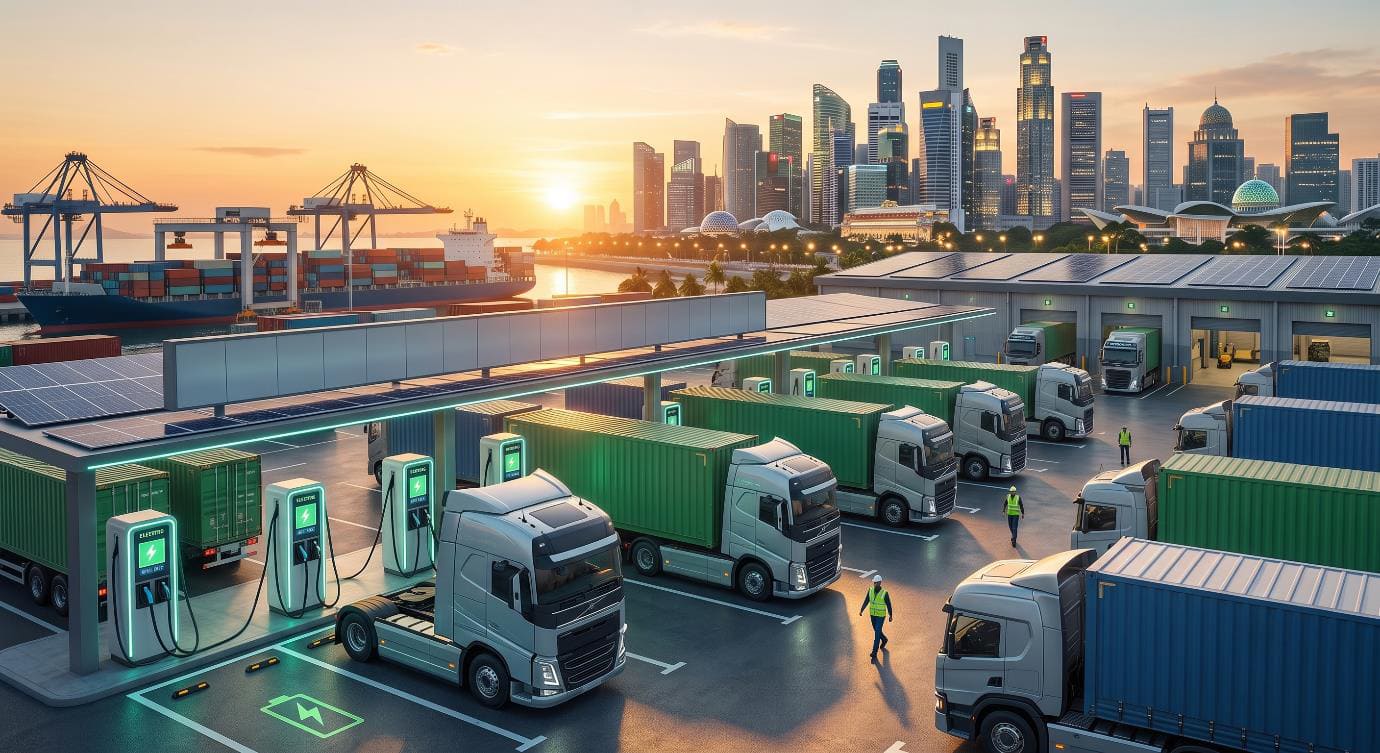
Singapore’s strategic location and its role as a major logistics hub in Southeast Asia make it a critical player in cold chain logistics. The country’s tropical climate, with consistently high temperatures and humidity, poses unique challenges for maintaining temperature-sensitive cargo. Refrigerated trucks are essential in addressing these challenges and ensuring the integrity of perishable goods throughout the supply chain.

The logistics landscape in Singapore is characterized by a high demand for efficient and reliable refrigerated transport. Businesses in the food and beverage industry, healthcare, pharmaceuticals, and biotechnology rely heavily on refrigerated trucks to deliver their products safely and efficiently. From small delivery vehicles catering to local markets to large trailers transporting goods across the region, refrigerated trucks of various sizes and capacities are used to meet the diverse needs of different industries.

Challenges and Solutions in Using Refrigerated Trucks in Singapore

Operating refrigerated trucks in Singapore presents several challenges, primarily due to the country’s high temperatures and humidity. Additionally, urban congestion and strict regulatory requirements add to the complexity of cold chain logistics. However, advancements in technology and innovative solutions have helped mitigate these challenges.

  1. Temperature Control: The high ambient temperatures in Singapore make it challenging to maintain the required temperature inside refrigerated trucks. Advanced refrigeration units with high cooling capacities and efficient insulation materials are essential to overcome this challenge.
  2. Traffic Congestion: Urban congestion can lead to delays in delivery, potentially compromising the integrity of temperature-sensitive cargo. To address this, logistics companies optimize delivery routes using advanced route planning software and real-time traffic data to minimize delays and ensure timely deliveries.
  3. Regulatory Compliance: Compliance with stringent regulatory requirements is crucial for ensuring the safety and quality of perishable goods. Refrigerated trucks in Singapore must adhere to standards set by regulatory bodies, such as the Agri-Food and Veterinary Authority (AVA) and the Health Sciences Authority (HSA). Regular inspections and maintenance of refrigeration units, temperature monitoring systems, and adherence to hygiene standards are essential for compliance.
  4. Energy Efficiency: Operating refrigerated trucks can be energy-intensive, leading to higher operational costs and environmental impact. The adoption of energy-efficient refrigeration units, use of alternative fuels, and implementation of green logistics practices can help reduce energy consumption and environmental footprint.

Regulations and Standards for Refrigerated Transport in Singapore

Ensuring the safety and quality of temperature-sensitive cargo requires adherence to strict regulations and standards. In Singapore, regulatory bodies such as the AVA and HSA set guidelines for the transportation of perishable goods. These regulations cover various aspects of refrigerated transport, including temperature control, hygiene, and documentation.

  1. Temperature Control: Regulations specify the required temperature range for different types of perishable goods. For example, fresh produce may need to be kept at 0-4°C, while frozen products require temperatures below -18°C. Refrigerated trucks must be equipped with reliable refrigeration units and temperature monitoring systems to ensure compliance with these requirements.
  2. Hygiene: Maintaining high hygiene standards is crucial for preventing contamination and ensuring the safety of perishable goods. Refrigerated trucks must be cleaned and sanitized regularly, and drivers and handlers must follow strict hygiene protocols to prevent cross-contamination.
  3. Documentation: Proper documentation is essential for tracking and verifying the temperature history of perishable goods. Temperature records, maintenance logs, and compliance certificates must be maintained and made available for inspection by regulatory authorities.

Benefits of Using Refrigerated Trucks

Refrigerated trucks offer numerous benefits for businesses and consumers, ensuring the safety, quality, and availability of temperature-sensitive products.

  1. Ensuring Product Freshness and Safety: Refrigerated trucks maintain the required temperature throughout the transportation process, preserving the freshness and quality of perishable goods. This is particularly important for food products, where temperature fluctuations can lead to spoilage and foodborne illnesses.
  2. Reducing Waste and Spoilage: Proper temperature control reduces the risk of spoilage and extends the shelf life of perishable goods. This not only minimizes waste but also enhances the profitability of businesses by reducing losses due to spoiled products.
  3. Enhancing Customer Satisfaction and Trust: Delivering products in optimal condition enhances customer satisfaction and builds trust in the brand. Consumers can be confident that the products they purchase have been handled and transported with care, ensuring their safety and quality.

Trust Monzone Group for Reliable Cold Chain Solutions

In conclusion, refrigerated trucks play a vital role in cold chain logistics, ensuring the safe and efficient transportation of temperature-sensitive goods. In Singapore, where high temperatures and humidity pose significant challenges, refrigerated trucks are essential for maintaining the integrity of perishable products. With advanced refrigeration technology, temperature monitoring systems, and adherence to stringent regulatory standards, refrigerated trucks ensure that goods reach their destination in optimal condition.

As the demand for cold chain logistics continues to grow, the importance of reliable and efficient refrigerated transport cannot be overstated. Businesses in Singapore and beyond rely on refrigerated trucks to meet the needs of their customers and ensure the safety and quality of their products.

Monzone Group, with its extensive range of refrigerated trucks, advanced temperature monitoring systems, and cutting-edge airflow management solutions, is committed to providing smart, efficient, and reliable cold chain solutions. Whether you need to transport perishable goods or medical products, trust Monzone Group to deliver the ideal cold chain transport system for your temperature-sensitive cargo. Choose Monzone Group as your trusted partner for refrigerated delivery in Singapore.