Electric-Powered Refrigeration Systems for Refrigerated Trucks

The world of transport keeps changing rapidly. New technologies emerge every year. Among these changes, one area draws special attention. The way we cool goods during delivery has transformed completely. Older methods relied on diesel engines. These systems worked but came with clear drawbacks. They created noise and pollution. They also cost more to run over time. A better option now exists.

Electric powered refrigeration systems offer a cleaner alternative for electric trucks and refrigerated delivery fleets. They provide reliable cooling without the downsides of fuel while reducing emissions and operating costs.

Contact us

What Is an Electric-Powered Refrigeration System?

This technology uses electricity instead of diesel to run cooling units. The system draws power from batteries or the vehicle’s engine. It operates quietly and produces no exhaust fumes. The design includes a compressor, condenser, and evaporator. These parts work together to remove heat from the cargo area. Advanced controls maintain precise temperatures throughout the journey. The system adjusts automatically to changing conditions outside. This keeps goods safe without wasting energy. Many modern vans and electric trucks now use this approach to ensure reliable cold-chain transport while improving energy efficiency. The technology suits both small and large vehicles equally well. Operators appreciate the reduced maintenance requirements. They also enjoy lower operating costs over time.

Set the desired temperature using the temperature controller located in driver’s cabin, the EV system powered by the EV Truck’s battery will runs continuously to meet the set temperature operating at zero emissions.

Every electric-powered refrigeration system consists of several essential components that work together to deliver reliable and efficient cooling performance.

  • Electric Compressor – The heart of the refrigeration system, the compressor circulates the refrigerant throughout the system while compressing it to the required pressure for efficient heat transfer.
  • Condenser – The condenser dissipates heat absorbed from the refrigerated cargo compartment to the outside environment, converting the refrigerant form a high-pressure gas into a liquid.
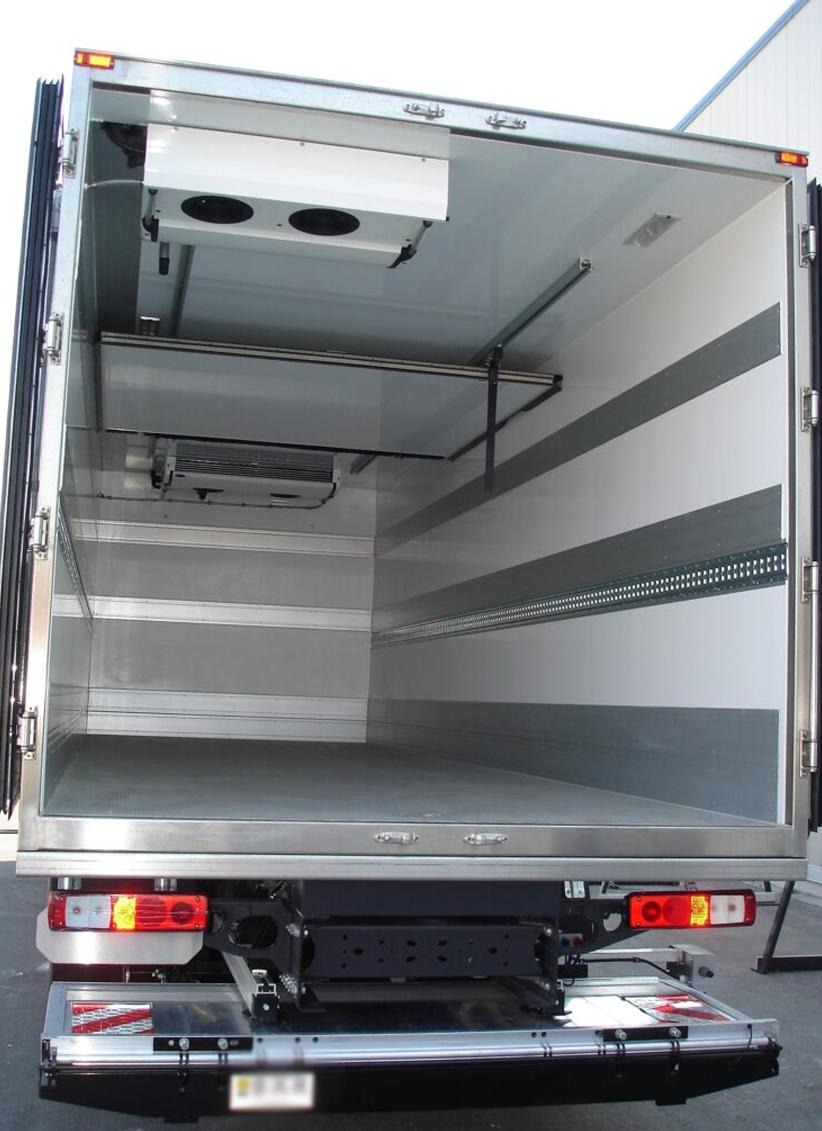
  • Evaporator – Located inside the insulated cargo compartment, the evaporator absorbs heat from the air, providing rapid and uniform cooling while maintaining the desired cargo temperature.

Together, these components operate in a continuous refrigeration cycle, ensuring consistent temperature control and reliable protection of temperature-sensitive goods throughout the entire journey.

Very low maintenance and service costs, eliminating the high petrol costs with lower electric bills, zero emissions, no pollution, cleaner environment, no engine noise, more friendly delivery to households estates especially late evening.

Why Fleet Operators Are Switching to Electric Refrigeration

Electric refrigeration systems help businesses reduce operating expenses, improve sustainability performance and meet the greens environmental standards. With quieter operation, lower maintenance requirements and zero tailpipe emissions, they provide a smarter long-term solution for refrigerated transport fleets.

🚛 Traditional Diesel Unit

High Fuel Consumption
🔊
Loud Engine Noise
🌫
CO₂ & Exhaust Emissions
🔧
High Maintenance Cost
🚫
Engine Must Run Continuously

⚡ Electric Refrigeration System

Battery Powered
🔇
Ultra Quiet Operation
🌱
Zero Tailpipe Emissions
🛠
Low Maintenance Cost
No Engine

Monzone EV-Series Refrigeration Solutions

Monzone is the authorized distributor of the Thermo King EV Series refrigeration systems, offering an comprehensive range of fully electric transport refrigeration units with various cooling capacities to suit different insulated container sizes and operational requirements.

Designed for the next generation of cold chain transportation, the Thermo King EV Series operates entirely on electric power, delivering zero tailpipe emissions and supporting organization in achieving their sustainability and environmental goals.

In addition to its environmental benefits, the EV Series helps businesses significantly reduce operating costs by eliminating diesel fuel consumption and lowering maintenance requirements. With fewer moving components than conventional diesel-powered refrigeration units, the system offers improved reliability, reduced servicing costs, quieter operation, and enhanced overall efficiency, making it and ideal solution for modern, eco-friendly refrigerated transport.

Design Philosophy

The fully electric refrigeration system for refrigerated (reefer) trucks is centered on efficiency, sustainability, reliability, and seamless integration with electric commercial vehicles.

Configuration Flexibility

The electric driven system offers greater freedom in installation with the absence of engine, exhaust system and fuel tank. The THERMO KING EV system comes with a full and complete ranges for light and heavy-duty truck installation. Flexible in fleet applications, temperature configurations and smart controls.

Sharing Advanced Platform Technology

The Thermo King EV Series is built on an advanced electric refrigeration platform that combines intelligent electronic controls, high-efficiency electric compressors, and inverter-driven technology to deliver precise and reliable temperature management.

Explore the EV-Series & THOR Series Line-Up

Monzone’s electric refrigeration range covers everything from compact delivery vans to full-size trailers. Compare the models below to find the right fit for your fleet, from the compact EV-200 to the trailer-grade THOR TH-450.

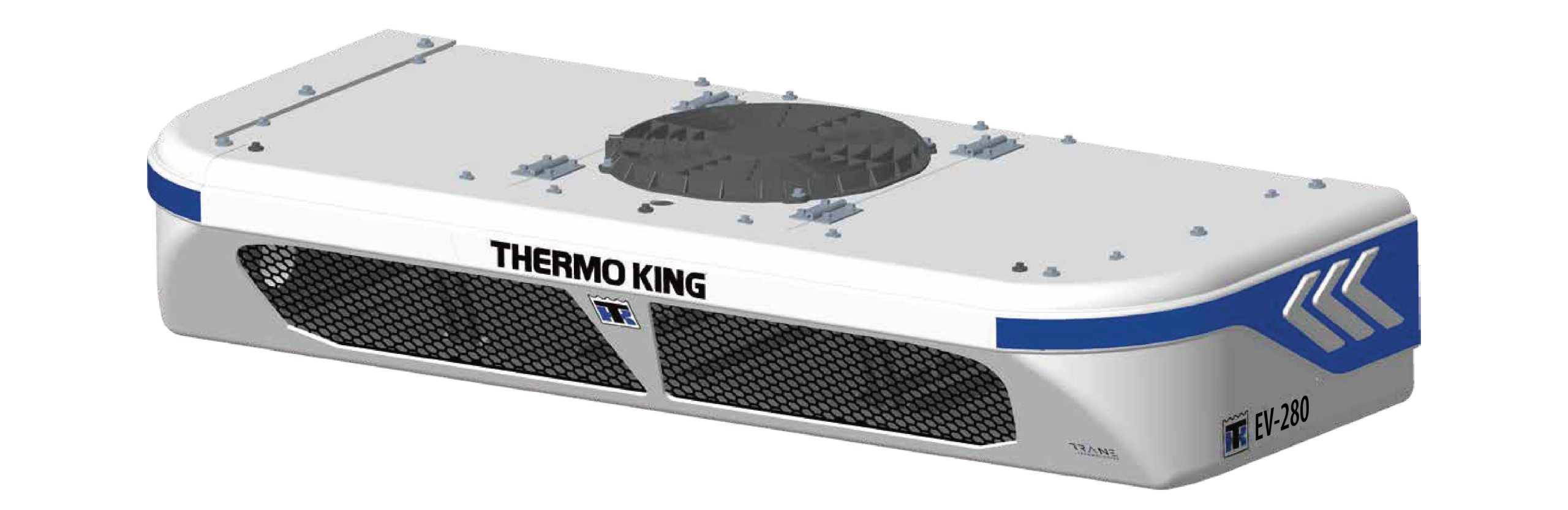
EV-280 — Compact Roof-Mount Unit for Small Vans

The EV-280 is Monzone’s entry-level electric unit, built for small vans and tight urban delivery routes. Its roof-mount design keeps the cargo area completely clear, and the compact, lightweight condenser helps maximise payload.

Explore The Models
Specification EV-280
Fresh Capacity (30/0°C) 2,400 W
Frozen Capacity (30/-20°C) 1,300 W
Airflow (0 Pa) 700 m³/h
Max Power Consumption 2,200 W
Temperature Range -15°C to 55°C (Cooling)
Power Input 320–750V DC / 1Ph 220V 50Hz standby
Weight 57 kg (condenser) + 10 kg (evaporator)
Refrigerant R-404a, 1.7 kg
Max Vehicle Volume (30°C ambient) Up to 14 m³ (0/2°C) or 7 m³ (-20°C)

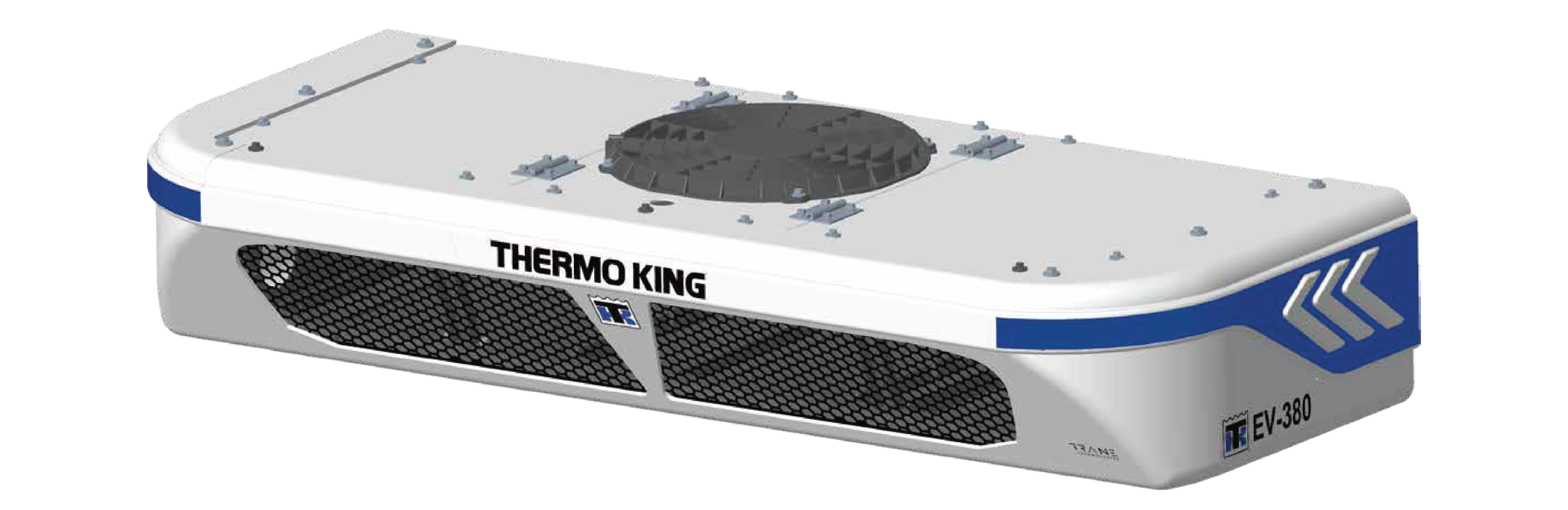
EV-380 — Roof or Nose-Mount Unit for Small-Medium Vans

Stepping up in capacity, the EV-300 suits slightly larger vans and mixed fresh-and-frozen loads. It offers the flexibility of either roof or nose mounting, depending on the vehicle layout.

Explore The Models
Specification EV-380
Fresh Capacity (30/0°C) 3,400 W
Frozen Capacity (30/-20°C) 1,800 W
Airflow (0 Pa) 1,500 m³/h
Max Power Consumption 3,100 W
Temperature Range -15°C to 55°C (Cooling)
Power Input 320–750V DC / 1Ph 220V 50Hz standby
Weight 57 kg (condenser) + 17 kg (evaporator)
Refrigerant R-404a, 1.7 kg
Max Vehicle Volume (30°C ambient) Up to 18 m³ (0/2°C) or 11 m³ (-20°C)
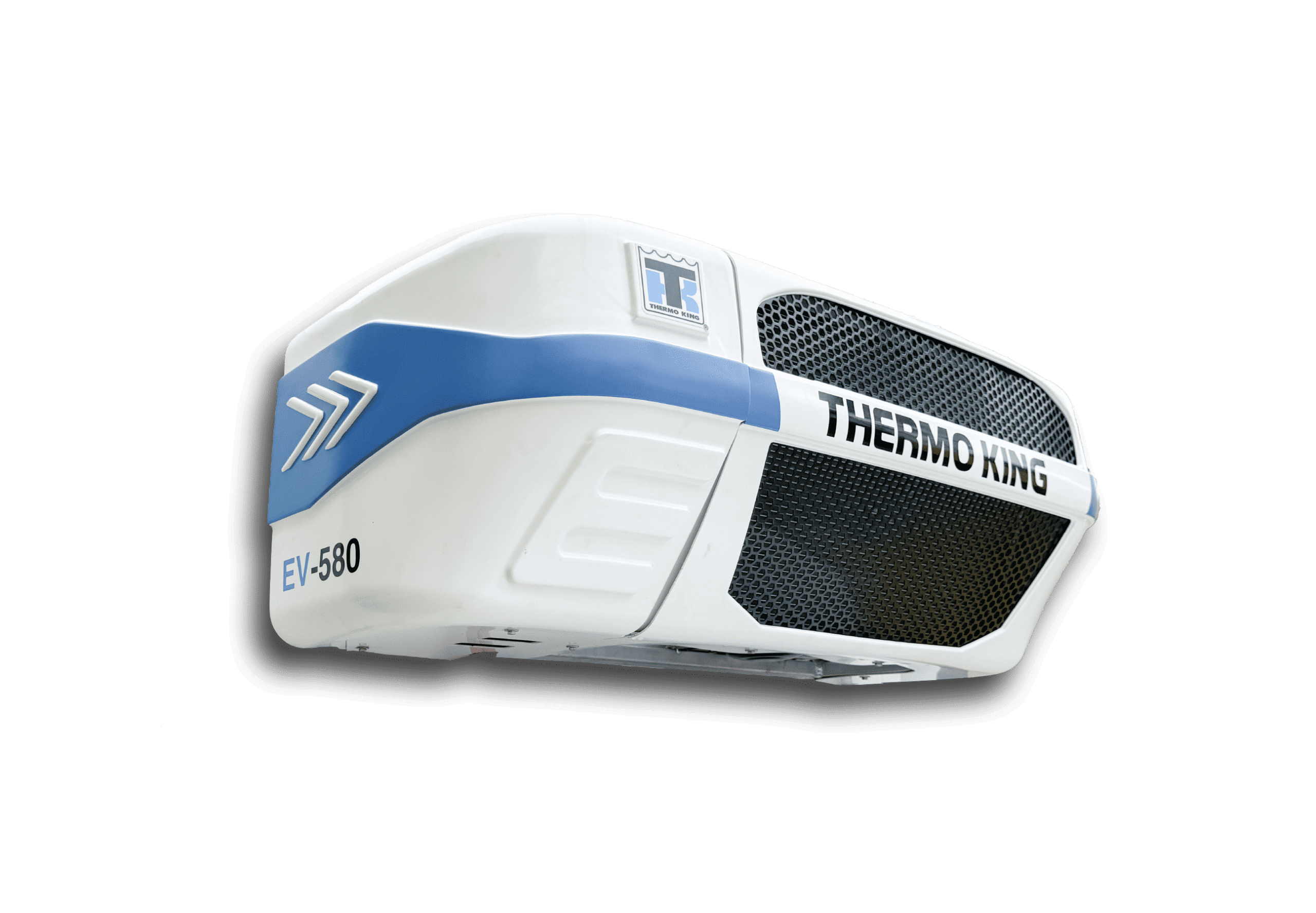
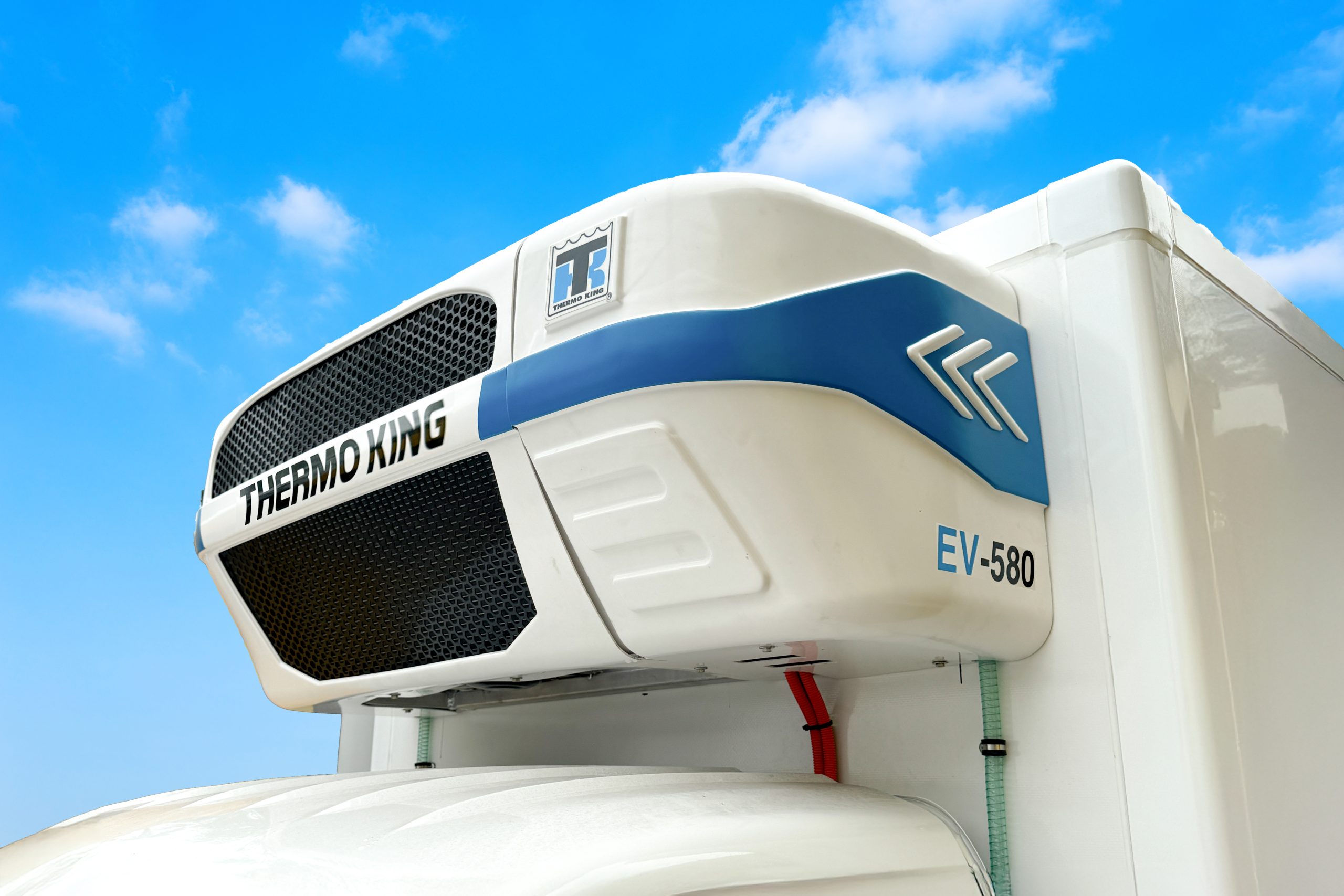
EV580 black shadow

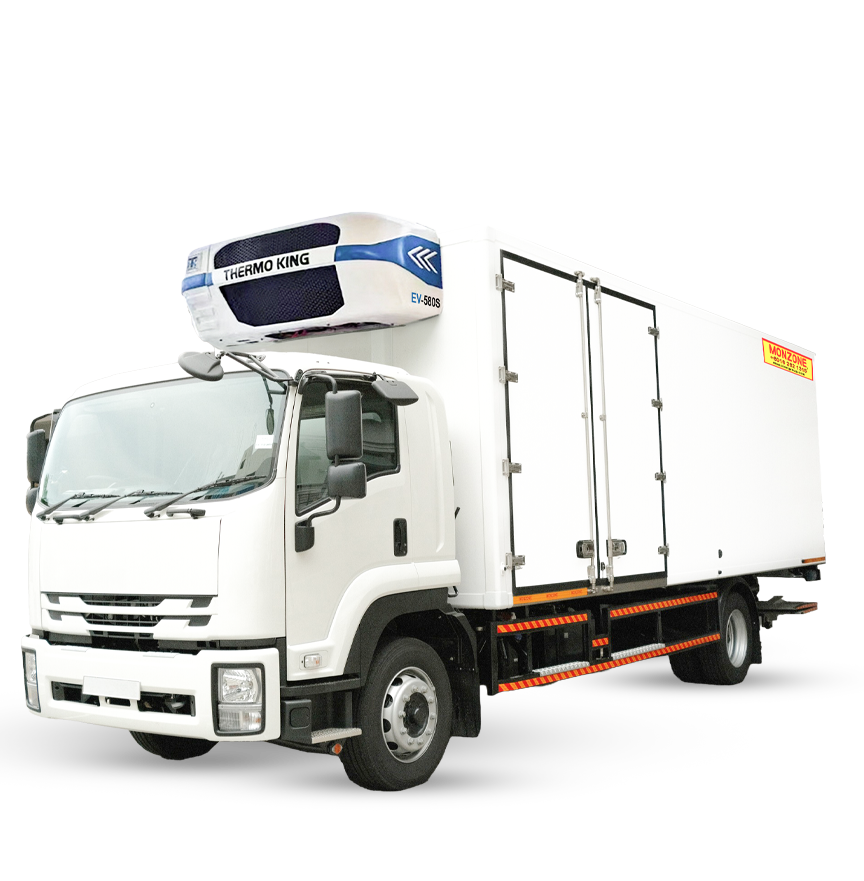
EV-580 — Split-Layout Unit for Light Trucks up to 26 m³

Built for light trucks running larger routes, the EV-580 uses a split, two-piece layout and is available in cooling-only or combined cooling-and-heating configurations — covering up to 26 m³ of cargo space.

Explore The Models
Specification EV-580
Fresh Capacity (DC / Standby) 4,650 W
Frozen Capacity (DC / Standby) 2,650 W
Airflow (0 Pa) 1,800 m³/h
Max Power Consumption 4,500 W
Temperature Range -15°C to 55°C Cooling / -25°C to 55°C Heating
Power Input 320–750V DC / 3Ph 380V or 1Ph 220V 50Hz standby
Weight 83 kg (condenser) + 16 kg (evaporator)
Refrigerant R-404a, 2.4 kg
Max Vehicle Volume (30°C ambient) Up to 26 m³ (0/2°C) or 18 m³ (-20°C); 26 m³ at -18°C ambient
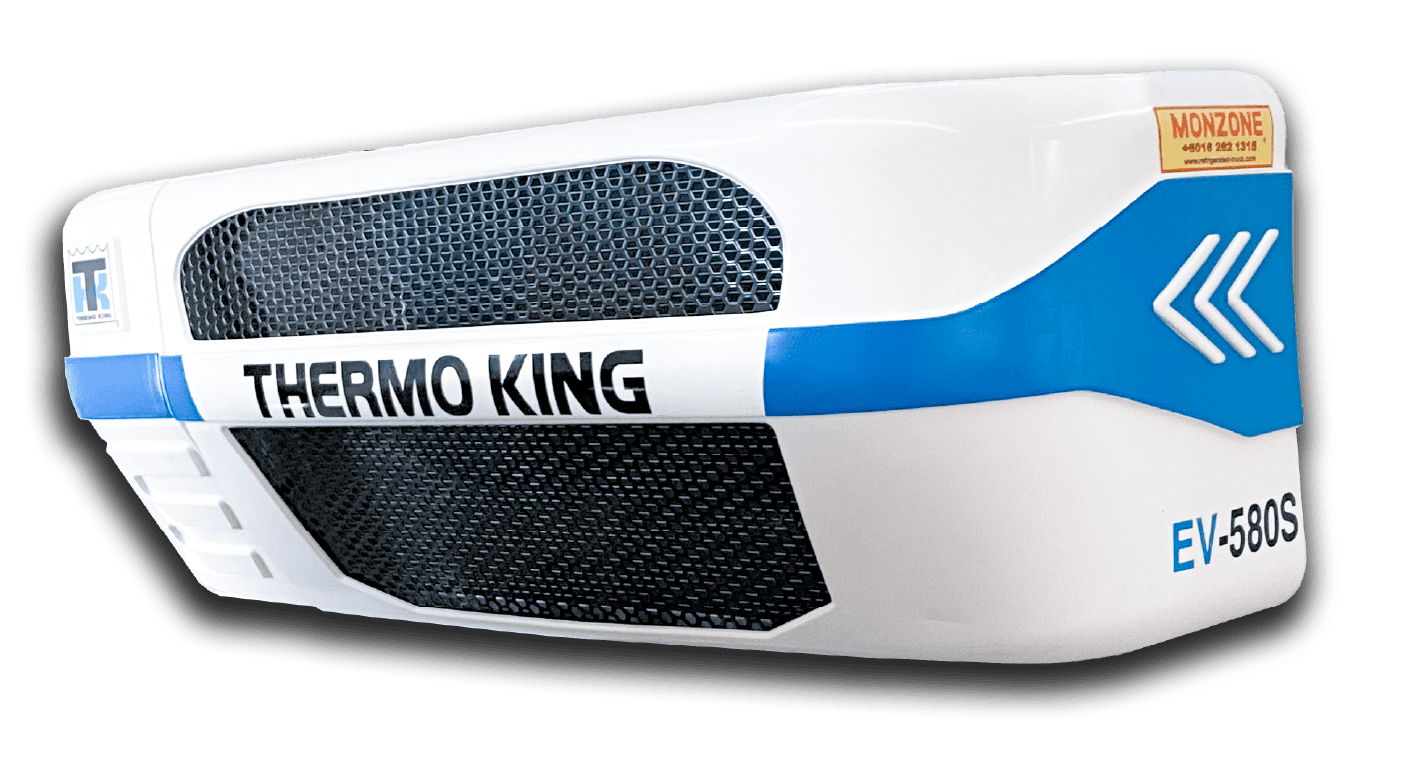
EV580S black shadow

EV-580S — One-Piece Layout Unit for Light Trucks up to 26 m³

The EV-580S delivers the same 26 m³ vehicle coverage as the EV-580 but in a single-piece housing, with higher cooling capacity and efficiency — making it well suited to demanding frozen-goods

Explore The Models
Specification EV-580S
Fresh Capacity (DC / Standby) 5,650 W / 4,700 W
Frozen Capacity (DC / Standby) 2,900 W
Airflow (0 Pa) 2,000 m³/h
Max Power Consumption 5,500 W
Temperature Range -15°C to 55°C Cooling / -25°C to 55°C Heating
Power Input 320–750V DC / 3Ph 380V or 1Ph 220V 50Hz standby
Weight 99 kg (condenser) + 16 kg (evaporator)
Refrigerant R-404a, 2.4 kg
Max Vehicle Volume (30°C ambient) Up to 26 m³ (0/2°C) or 23 m³ (-20°C); 26 m³ at -18°C ambient — the widest frozen-goods coverage in the EV-Series
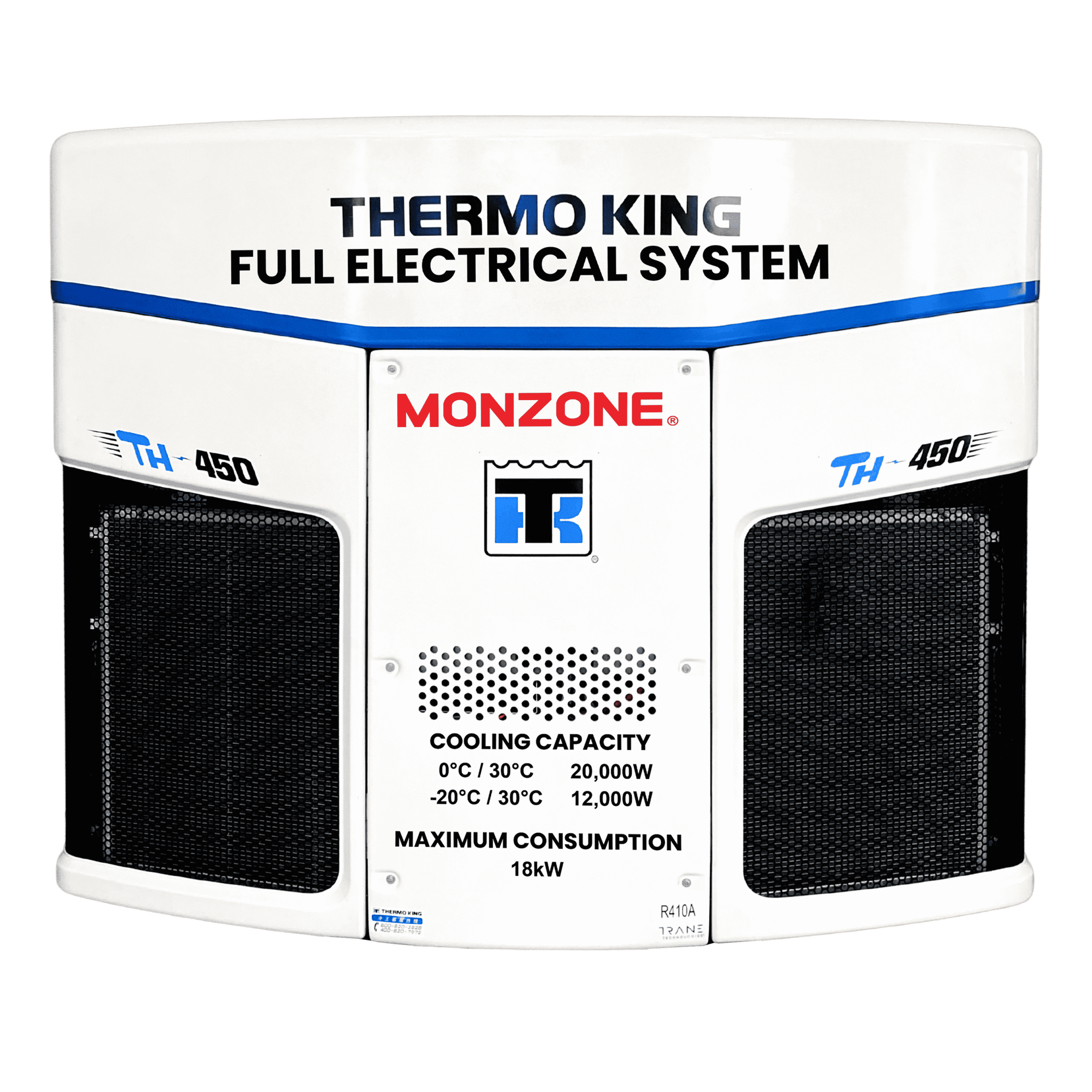
TH450 front
For fleets running full trailers rather than vans or light trucks, the THOR TH-450 is Monzone’s new-generation, ultra-thin electric trailer refrigeration unit.Read More
Explore The Models
Specification TH-450
Cooling Capacity (ATP, 30°C ambient) 20,000 W at 0°C cabin / 12,000 W at -20°C cabin
Refrigerant R410A
Air Volume (0 Pa) 7,000 m³/h (max)
Weight 350 kg
Dimensions (H x W x D) 1,590 x 2,056 x 506 mm
Max Power Consumption 18 kW
Power Input 380V / 3Ph / 50Hz (three-phase four-wire), 340–437 VAC range
Recommended Engine Power 30 kVA
Control Panel THOR Series panel (standard): CAN + RS485, 1-year data logging, IP65. Cabin remote panel available as an option.

Compare All Models at a Glance

Select the right EV-Series refrigeration unit based on your vehicle size and cooling requirements.

Model Best For Cooling Capacity Air Flow @0 PA
EV-280 Small Vans
Roof Mount
Fresh: 2,400W
Frozen: 1,300W
Up to 14m³
EV-380 Small–Medium Vans
Roof / Nose Mount
Fresh: 3,400W
Frozen: 1,800W
Up to 18m³
EV-580 Light Trucks
Split Layout
Fresh: 4,650W
Frozen: 2,650W
Up to 26m³
EV-580S Light Trucks
One-Piece Layout
Fresh: 5,650W
Frozen: 2,900W
26m³
Best Frozen Coverage
TH-450 Full-Size Trailers 0°C: 20,000W
-20°C: 12,000W
Full Trailer Bodies

Applications for Refrigerated Delivery Vehicles

Electric powered refrigeration systems are ideal for a wide range of cold chain applications, including the transportation of fresh and frozen food, pharmaceuticals, chemicals, ice, ice cream, and other temperature-sensitive products using electric refrigerated trucks. THeir precise temperature control, quiet operation, and energy efficiency make them well suited for urban deliveries, supermarket distribution, restaurant supply chains, and long-haul logistics. With the flexibility to meet diverse temperature requirements, these systems provide reliable and sustainable refrigeration solutions for both light-duty and heavy duty commercial vehicle operations across various industries.

Food Delivery Services

Fresh produce, meat, and dairy travel safely in these vehicles. The stable temperatures preserve quality during transit. This reduces waste and improves customer satisfaction.

Healthcare and Medicine Transport

Vaccines and other medicines require precise temperature control. Electric units maintain these conditions reliably. This ensures that medical products remain effective upon arrival.

Floral and Horticultural Deliveries

Flowers and plants need gentle handling during transport. The smooth cooling prevents damage to delicate blooms. This helps businesses deliver fresh products to customers.

Refrigeration Solutions for Small & Medium Trucks

Electric-powered refrigeration systems are designed to integrate seamlessly with a wide range of electric commercial vehicles, from small delivery vans to medium and heavy-duty refrigerated trucks. Their compact design optimises space utilisation while maintaining proper weight distribution and matching the vehicle’s electrical capacity. This ensures simplified installation, reliable operation, quiet performance, and enhanced energy efficiency, making them an ideal solution for both urban distribution and long-distance cold chain logistics.

Two Mounting Configurations

Undermount installation places the condenser unit underneath the body. Nose mount positions it at the front of the insulated body. The selection is based on the application requirements.

Power Matching for Vehicle Types

The EV System draws the electric power from the EV vehicle’s battery. This eliminates the use of auxiliary battery which carry additional weight and space.

Installation Simplicity

The module design simplifies the installation process. Trained technicians can fit the units quickly and properly.

Frequently Asked Questions

The EV system draws it’s power from the EV vehcile’s batteries. Alternatively, it can be connected to the shore power when in stationary mode.

The cooling power is dependent on the cooling capacity of the EV or traditional diesel system. They both maintain and meets the temperature requirements.

Electric units require much less upkeep than diesel versions. They need periodic checks of electrical connections and cooling system components.

Yes, the systems operate effectively throughout the vehicle’s driving range. Battery capacity and charging infrastructure determine overall feasibility.

The EV system performs well in high ambient temperatures and are able to maintain the set temperature throughout the delivery process without having to worry about the heat.

The TK EV TH-450 is built specifically for full trailers, delivering up to 20,000W of cooling capacity, compared to the EV-Series models designed for vans and light trucks up to 26 m³.